Ever spent an hour in the kitchen, meticulously following a recipe, only for your curry to taste… flat? Or perhaps it’s overly bitter, or the heat feels "harsh" rather than warming? If you’ve found yourself reaching for more salt just to make a dish taste like something, the problem probably isn't your cooking skills. It’s your spices.
Most of us treat spices as a background player: a dusty jar we grab from the back of the cupboard. But in reality, spices are the soul of the meal. And if you’re using mass-produced, chemically treated, or improperly stored seasonings, you’re missing out on the vibrant world of flavor that authentic Indian cooking is famous for.
Today, we’re diving into the most common spice mistakes home cooks make and why making the switch to pesticide-free spices online India is the single best thing you can do for your kitchen and your health.
1. The Timing Trap: Adding All Spices at Once
One of the biggest mistakes people make is treating spices like they’re all the same. In Indian cuisine, the sequence is everything. This is the art of the tadka (tempering).
The Mistake: Dumping your turmeric, chili powder, and garam masala into the pan at the same time as your onions.
The Fix: Spices need to be layered.
- Whole Spices: Things like cardamom, cinnamon sticks, and black pepper should go into hot oil or ghee first. They need time to "bloom" and release their essential oils into the fat.
- Ground Spices: These have more surface area and burn quickly. Add them once your onions and tomatoes have released some moisture.
- Finishing Spices: Fragrant blends like Garam Masala or Masala Tea powder should often be added at the very end to preserve their delicate aromas.

2. The "Burn" Factor: Turning Flavor into Bitterness
Spices are delicate. When you toast them, you’re looking for a fragrant aroma, not a change in color to deep black. Once a spice burns, it turns acrid and bitter, and no amount of coconut milk or cream can save the dish.
The Mistake: Using high heat for dry-roasting or tempering.
The Fix: Keep it low and slow. When you smell that first "waft" of fragrance: stop! That’s the peak. If you’re worried about burning your ground spices, mix them with a tablespoon of water to create a paste before adding them to the pan. This protects them from the direct heat of the oil.
3. Storing Spices in "The Danger Zone"
We all love a beautiful spice rack displayed on the countertop or, even worse, right next to the stove for "convenience." This is the fastest way to kill your spices.
The Mistake: Exposing spices to light, heat, and moisture.
The Fix: Spices should be kept in a cool, dark, and dry place. Light bleaches the color (and the nutrients), while heat from the stove evaporates the essential oils. Another pro-tip: Never shake a spice jar directly over a steaming pot. The moisture enters the jar, causing clumping and mold growth. Always use a dry spoon!
4. The Invisible Mistake: Choosing Quantity Over Purity
This is where the real difference lies. Most mass-market spices are grown using heavy doses of synthetic pesticides and chemical fertilizers to maximize yield. They are often mixed with fillers (like starch or low-grade flour) and artificial colors to make them look "vibrant."
When you use these, you aren’t just eating chemicals; you’re eating "diluted" flavor. This is why you need four tablespoons of store-bought chili powder to get the same kick that one tablespoon of farm-fresh powder provides.
Why Pesticide-Free Spices Online India are the Answer
Choosing pesticide-free spices online India isn't just about being "trendy" or "organic." It’s about returning to the way spices were meant to be: potent, pure, and safe.
A. Unmatched Potency and Aroma
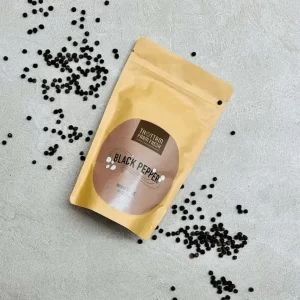
Pesticide-free farming focuses on soil health. When a plant grows in nutrient-rich soil without chemical interference, it produces a higher concentration of essential oils. For example, Kerala black pepper grown naturally has a bite and a floral undertone that you simply won't find in supermarket brands. You use less, but you taste more.
B. The Health Factor
Spices are often used for their medicinal properties: think of the anti-inflammatory benefits of turmeric or the digestive aid of nutmeg. However, if your spices are laden with pesticide residues, you’re counteracting these health benefits. By choosing pesticide-free options, you ensure that your "medicine" is actually clean.
C. Supporting Biodiversity
At Thottam Farm Fresh, we source directly from farmers in Kerala who practice sustainable agriculture. This protects the local ecosystem, keeps the soil fertile for future generations, and ensures that the farmers get a fair price for their hard work.

5. Using Old, Lifeless Spices
Spices don’t necessarily "go bad" in the way milk does, but they do "die." If you open a jar of cumin and you have to stick your nose inside to smell anything, it’s time to toss it.
The Mistake: Keeping ground spices for years.
The Fix: Try to buy whole spices and grind them as needed. Whole peppercorns, cloves, and cardamom pods can last for a couple of years if stored well. Ground spices, however, lose their punch after about six months. When you buy spices online, check for the harvest or packing date to ensure you're getting the freshest batch possible.
6. Confusion Between "Heat" and "Flavor"
Many people think that if a dish isn't burning their tongue, it isn't well-spiced. This is a huge misconception.
The Mistake: Relying solely on chili powder for "spice."
The Fix: Build complexity. Use the warmth of Ceylon cinnamon, the earthiness of coriander, and the citrusy notes of cardamom. A truly well-spiced dish should have layers of flavor that reveal themselves as you eat. If you're looking for that authentic Malabar taste, focus on the quality of your base spices.

How to Spot Quality When Buying Pesticide-Free Spices Online India
When you’re browsing for pesticide-free spices online India, look for these signs of quality:
- Origin Stories: Does the brand tell you where the spices come from? At Thottam Farm Fresh, we’re proud of our Kerala roots. We know exactly which farm our Tellicherry pepper or Alleppey cardamom comes from.
- Color and Texture: Real turmeric isn't neon yellow; it's a deep, earthy orange-gold. Real Ceylon cinnamon is tan and has thin, fragile layers, unlike the thick, hard bark of Cassia.
- The "Sneeze" Test: High-quality black pepper or chili should have a sharp, immediate aroma that makes your senses tingle the moment you open the bag.
The Thottam Farm Fresh Difference
We started Thottam Farm Fresh with a simple mission: to bring the best of Kerala's bounty directly to your kitchen. By cutting out the middlemen and focusing on pesticide-free, natural farming, we ensure that the spices you receive are as close to the source as possible.
Whether you are looking for premium dry fruits online to snack on or the purest spices for your daily cooking, we believe in transparency. No fillers, no artificial colors: just 100% pure flavor.
A Quick Checklist for a Spice Rack Makeover:
- Toss the ancient jars: If it doesn't smell, it's gone.
- Invest in whole spices: Get a small mortar and pestle or a dedicated spice grinder.
- Switch to pesticide-free: Start with the basics: turmeric, chili, and pepper. You’ll notice the difference in your first meal.
- Label with dates: Use a marker to write the "Opened On" date on your jars.

Elevate Your Cooking Today
Cooking is more than just a chore; it's an act of love and a way to nourish your family. By avoiding these common mistakes and choosing pesticide-free spices online India, you aren't just improving the taste of your food: you're choosing a healthier, more sustainable lifestyle.
Ready to taste the difference that farm-fresh purity makes? Explore our collection of hand-picked, pesticide-free spices and see why Thottam Farm Fresh is the preferred choice for home chefs who refuse to compromise on quality. Your taste buds (and your health) will thank you!