Hey there! If you’ve been following our journey over the last month, you’ve basically become a spice sommelier and a dry fruit connoisseur. We’ve spent the last 31 days peeling back the layers of the spice trade, from the misty hills of Munnar to the bustling ports of the Malabar Coast.
Today, April 30th, marks the grand finale of our masterclass. We’re wrapping everything up into one ultimate guide. Whether you’ve been with us since Day 1 or you’re just dropping in to see why everyone is obsessed with finding the best spices Malabar coast buy online options, this is for you.
Let’s talk about why sourcing matters, how to spot a fake, and why your kitchen deserves the "gold standard" of ingredients.
The Malabar Legacy: Why Origin is Everything
When we talk about spices, we aren't just talking about ingredients in a jar. We’re talking about history. For centuries, the Malabar Coast of India: specifically Kerala: was known as the "Spice Coast." It was the epicenter of the global spice trade, drawing explorers from across the oceans for one thing: quality.
But why there? It’s the "terroir." Just like wine, spices take on the characteristics of the soil, the rainfall, and the altitude where they are grown. The Malabar Coast offers a perfect storm of tropical humidity and rich, loamy soil. This is why, when you look for spices Malabar coast buy online, you aren’t just buying flavor; you’re buying a specific geographical profile that can’t be replicated in a greenhouse or a different climate.

The "Purity Test": Sourcing 101
One of the biggest hurdles we’ve discussed this month is the "Supermarket Stale" problem. Most spices in big-chain grocery stores have been sitting in warehouses for months, if not years. By the time they hit your shelf, the essential oils: the stuff that actually provides flavor and health benefits: have evaporated.
Here is your masterclass checklist for sourcing premium quality:
- Whole Over Ground: Always buy whole spices when possible. Ground spices lose their potency fast and are often "bulked out" with fillers like rice flour or starch.
- Color and Aroma: Premium cardamom should be a vibrant, forest green (not pale yellow). Black pepper should have a deep, dark brown or black hue with a pungent, woody aroma.
- The Touch Test: High-quality nuts and dry fruits should feel heavy for their size and have a slight "snap" or "suppleness" depending on the variety, rather than being brittle and dry.
If you’re looking to buy spices online, these are the non-negotiables.
The "King" and "Queen": Black Pepper and Cardamom
We can’t talk about the Malabar Coast without mentioning the heavy hitters.
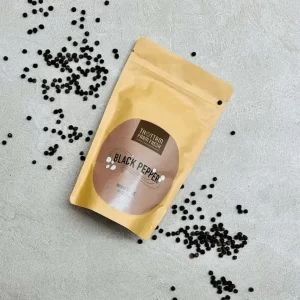
Black Pepper: Known as "Black Gold," the pepper from this region, specifically Tellicherry pepper, is world-renowned. It’s left on the vine longer to develop deep, complex flavors. If you want to know more about what makes this spice so legendary, check out these interesting things about black pepper.
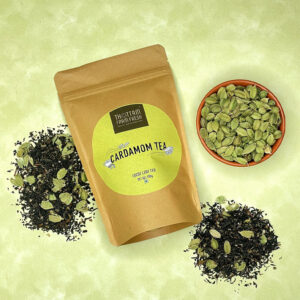
Cardamom: The "Queen of Spices." We’ve spent time looking at the Alleppey Bold standard. Real, premium cardamom is packed with seeds and essential oils. It’s not just for chai; it’s a powerhouse for digestion and respiratory health. You can find out more about the 5 interesting things about elaichi to see why it’s a pantry staple.

Decoding the Dry Fruit Dilemma
During this 31-day masterclass, we’ve also explored the world of premium dry fruits. Often, commercial dry fruits are treated with sulfur or coated in oils to make them look shiny and "fresh."
At Thottam Farm Fresh, we believe in the "naked" approach. Our Medjoul dates, almonds, and walnuts are processed naturally. When you buy dry fruits online, you should look for transparency in sourcing. Where did those almonds come from? Were the cashews processed by hand to preserve their shape and oils?
Premium dry fruits aren't just snacks; they are nutrient-dense fuel. From the healthy fats in walnuts to the natural sugars in dates, they are the ultimate "fast food" for a busy lifestyle.
The Cinnamon Conundrum: Cassia vs. Ceylon
One of our most-read topics this month was the difference between "fake" cinnamon (Cassia) and "true" cinnamon (Ceylon). Most of what you find in stores is Cassia, which is hard, thick, and contains high levels of coumarin (which can be hard on the liver in large doses).
True Ceylon cinnamon is delicate, multilayered, and has a sweet, citrusy undertone. It’s also a game-changer for those managing blood sugar. If you’re curious, here’s a guide on how to use cinnamon for managing diabetes. Sourcing H1 grade Ceylon cinnamon ensures you get the maximum health benefits without the toxicity of lower grades.

Beyond the Plate: Health and Wellness
Spices aren't just about taste; they are ancient medicine. Over the last 30 days, we’ve looked at:
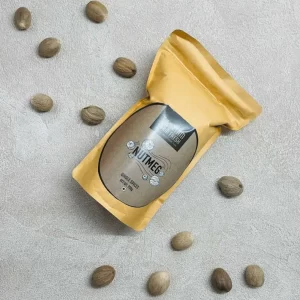
- Nutmeg: Great for sleep and skin. Dive into the 12 amazing health benefits of nutmeg to see why it’s more than just a Christmas spice.
- Honey: We explored the difference between processed sugar-syrup "honey" and real forest honey. Pairing green tea with honey is one of the simplest ways to boost your immunity.
- Tea: From the Malabar tea gardens to your cup, understanding the origin and types of tea in India helps you choose a brew that actually relaxes you.
Why the "Farm-to-Table" Model Wins
The core of our masterclass has been about one thing: Direct Sourcing.
When you buy from a typical middleman, the product changes hands five or six times. Each hand it touches adds to the cost and reduces the freshness. By the time it gets to you, it’s a shadow of its former self.
Thottam Farm Fresh was built on the idea that you should be able to get spices Malabar coast buy online directly from the source. We work with farmers who use sustainable practices, ensuring that the soil stays healthy for generations to come. When you buy from the farm, you aren't just getting a product; you’re supporting a community and a tradition of pesticide-free farming.

Summary of the 31-Day Masterclass
If you’re looking for a quick recap of what we’ve learned this month, here are the "Pro-Tips" for your spice drawer:
- Check the Grade: Whether it’s 8mm Bold Cardamom or H1 Ceylon Cinnamon, the grade tells you the quality of the harvest.
- Storage is Key: Store your spices in airtight glass containers away from direct sunlight. Heat and light are the enemies of flavor.
- Smell the Difference: If your spice doesn't hit you with an aroma the moment you open the jar, it’s time to replace it.
- Trust the Origin: Kerala and the Malabar Coast remain the gold standard for black pepper, cardamom, and ginger.

A Final Note from Nikhil
As we wrap up this 31-day journey, I want to thank you for coming along for the ride. At Thottam Farm Fresh, we don’t just see ourselves as a spice company; we see ourselves as a bridge between the hardworking farmers of Kerala and your kitchen.
We believe that cooking is more than just a chore: it’s a way to connect. In fact, we’ve even talked about why families should be cooking together to build stronger bonds. Good food starts with good ingredients, and good ingredients start with honest sourcing.
So, as you go forward, don’t settle for the dusty jars on the supermarket shelf. Look for the vibrant colors, the punchy aromas, and the stories behind your food. Whether you are looking for the best spices Malabar coast buy online or the crunchiest premium nuts, we’re here to make sure you get the very best.
Keep it fresh, keep it flavorful, and keep cooking!
Ready to upgrade your pantry? Explore our full range of farm-fresh spices, nuts, and honeys today. Let’s bring the authentic taste of the Malabar Coast to your home.