Have you ever opened a freshly delivered bag of spices, expecting a burst of aromatic magic, only to be met with a dull, dusty scent and a color that looks more like cardboard than kitchen gold?
It’s a common frustration. In the vast world of e-commerce, finding authentic Indian spices online can feel like a gamble. You see glossy photos and big claims of "purity," but when the package arrives, the quality often tells a different story. The truth is, the journey from a sun-drenched farm in Kerala to your spice jar is a long one, and a lot can go wrong along the way.
Whether you’re a home cook looking to recreate that perfect Malabar curry or a wellness enthusiast seeking the anti-inflammatory power of real turmeric, quality isn't just a luxury: it’s the whole point. Low-grade spices aren't just lacking in flavor; they often hide fillers, artificial colors, or even pesticides that you definitely don't want in your body.
So, how do you cut through the marketing noise? We’ve put together the ultimate quality checklist to help you source the very best Indian spices online with total confidence.
1. The "Where" Matters: Is the Origin Transparent?
In the spice world, geography is everything. Just as wine lovers look for grapes from Bordeaux, spice aficionados look for specific regions. When you buy spices online, the first thing you should look for is a clear mention of origin.
Does the seller tell you exactly where the spice was grown? For example, the Malabar Coast of Kerala is world-renowned for the highest quality black pepper and cardamom. If a label simply says "Black Pepper," it’s likely a blend of various grades from different regions. But if it says "Tellicherry Bold" or "Alleppey Green Cardamom," you’re looking at a product with a pedigree.
At Thottam Farm Fresh, we believe in the "farm-to-table" philosophy. By sourcing directly from our own farms or trusted local farmers in Kerala, we ensure that every grain of spice has a story and a traceable home.

2. Decode the Grading System
Spices aren't "one size fits all." Most high-quality Indian spices follow a grading system based on size, color, and density.
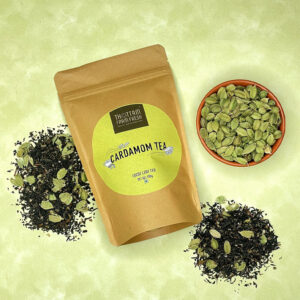
- Cardamom: Look for "Bold" or "Extra Bold" (typically 7mm to 8mm+ in diameter). These pods are more mature, containing higher essential oil content, which translates to a more intense aroma.
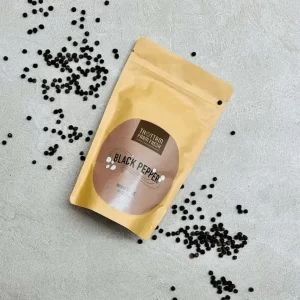
- Black Pepper: The gold standard is "Tellicherry Garbled Extra Bold" (TGEB). These are the largest peppercorns, left on the vine longer to develop a complex, citrusy heat. You can learn more about this process in our guide on how black peppercorns are harvested.
- Cinnamon: This is where many get tripped up. Most "cinnamon" online is actually Cassia, which is cheaper and high in coumarin. Look for Ceylon Cinnamon (H1 Grade). It should be thin, layered, and fragile, with a delicate sweetness.

3. The Purity Test: Ingredients and Fillers
When searching for Indian spices online, the ingredient list should be the shortest thing you read. A pack of turmeric powder should contain exactly one ingredient: Turmeric.
Unfortunately, many commercial brands use fillers like starch, flour, or even sawdust to add bulk. They might also add artificial dyes (like Metanil Yellow in turmeric or Sudan Red in chili powder) to make the product look more "vibrant" than it actually is.
Checklist for Purity:
- No Anti-caking Agents: These are chemicals added to keep powders from clumping. While convenient, they aren't necessary if the spice is fresh and stored correctly.
- Non-Irradiated: Some mass-market spices are irradiated to extend shelf life, which can kill off some of the delicate essential oils.
- Pesticide-Free: Always prioritize brands that commit to 100% natural, pesticide-free farming. Your health is worth the extra few cents.
4. Freshness: The Harvest Date vs. The Packing Date
Spices are like coffee; they start losing their potency the moment they are harvested and ground. Many "big brand" spices sit in warehouses for months (or years) before they even reach the supermarket shelf.
When shopping for Indian spices online, check for the harvest date. If a company is sourcing directly from farms, they should be able to tell you when the current batch was picked. A "best before" date is helpful, but a "packed on" date is much more telling of the product's true freshness.
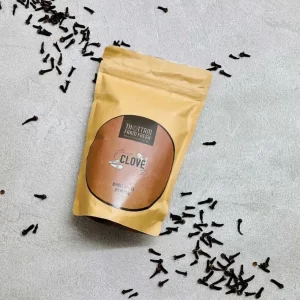
Pro tip: Whenever possible, buy whole spices. Whole peppercorns, cloves, and cardamom pods act as their own "packaging," keeping the essential oils locked inside until you’re ready to grind them fresh in your kitchen.

5. Packaging: Is it Built for Longevity?
Light, heat, and moisture are the three enemies of spice quality. If you’re ordering Indian spices online, take a look at how they are shipped.
Clear plastic bags might look nice in a photo, but they allow light to degrade the oils inside. The best spice companies use:
- Airtight Resealable Pouches: To keep moisture out after you open them.
- Opaque or Foil-Lined Packaging: To block out UV rays.
- Small Batches: To ensure the product isn't sitting open to the air for long periods.
6. The Sensory Check (Once it Arrives)
Once your order lands on your doorstep, it’s time for the final audit. Your senses are the best tools you have.
- Aroma: As soon as you break the seal, the scent should be evocative. Cardamom should smell floral and minty; Black Pepper should have a sharp, woody bite; and Cinnamon should be warm and comforting. If you have to stick your nose deep into the bag to smell anything, it’s past its prime.
- Color: The color should be deep and natural, not unnaturally neon. Real Turmeric is a warm, earthy gold, not bright yellow.
- Texture: Rub a bit of the spice between your fingers. Does it feel oily? That’s a good sign! It means the essential oils: where all the flavor and health benefits live: are still present.

Why Thottam Farm Fresh?
We know you have choices when looking for Indian spices online. At Thottam Farm Fresh, we don't just sell spices; we curate them.
Our journey began with a simple mission: to bridge the gap between the hardworking farmers of the Malabar coast and the conscious consumers who value purity. When you buy from us, you aren't getting mass-produced "commodity" spices. You’re getting small-batch, farm-direct treasures.
From our H1 Grade Ceylon Cinnamon with a guaranteed Certificate of Origin to our bold Alleppey Cardamom, we stand by every product we ship. No pesticides, no adulteration, just 100% natural goodness.
Summary Checklist for Your Next Purchase:
- Origin Specified: Does it mention Kerala, Malabar, or a specific region?
- Grade Mentioned: Is it Bold, TGEB, or H1 Grade?
- Ingredients: Is it a single-ingredient product with no "E-numbers" or fillers?
- Sourcing: Is it direct-from-farm or via a middleman?
- Packaging: Is it airtight and light-protected?
Ready to upgrade your pantry? Experience the difference that truly fresh, authentic spices make in your cooking.
Explore the Thottam Farm Fresh Collection and discover the soul of Indian spices today.