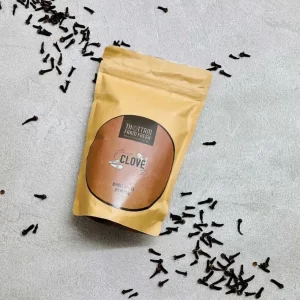
We’ve all been there. You’re scrolling through a recipe that calls for "high-quality cardamom" or "authentic Ceylon cinnamon," and you realize your spice rack is looking a bit… sad. So, you do what any modern cook does: you head to the internet to buy spices online.
It seems easy enough, right? A few clicks, a pretty package arrives, and suddenly your kitchen smells like a bazaar. But here’s the cold, hard truth: the world of online spices is a bit of a Wild West. Between clever marketing, vague origin stories, and the unfortunate reality of food adulteration, it’s surprisingly easy to pay premium prices for low-grade, stale, or even "stretched" products.
At Thottam Farm Fresh, we live and breathe the farm-to-table life. We see firsthand the difference between a spice that’s been sitting in a warehouse for two years and one that was harvested, dried, and packed with care. To help you level up your pantry, we’ve put together the seven most common mistakes people make when they buy spices online: and exactly how you can avoid them.
1. Choosing Price Over Purity (The "Cheap" Trap)
It’s tempting to hit "sort by price: lowest to highest" when you’re looking for kitchen staples. However, spices are among the most frequently adulterated food items in the world. When a price seems too good to be true, it usually is.
Mass-market brands often "stretch" their products. Turmeric might be mixed with cornstarch or lead chromate for color; black pepper can be bulked up with papaya seeds; and chili powder is sometimes padded with brick dust or sawdust.
The Fix: Treat extremely low prices as a red flag. Look for a commitment to 100% natural and pesticide-free products. Authentic, farm-direct spices cost a little more because the farmers are paid fairly and the purity is guaranteed. Your health (and your taste buds) are worth those extra few rupees.
2. Ignoring the "Grade" (Especially with Cinnamon)
Did you know that not all cinnamon is created equal? Most of what you find in standard grocery stores is actually "Cassia," which is thick, hard, and contains high levels of coumarin (which can be toxic in large amounts).
If you want the real deal: Ceylon Cinnamon: you need to look at the grade. Many online sellers will just list "Ceylon Cinnamon," but there’s a world of difference between "Alba" or "H1" grade and lower, coarser grades.

The Fix: Specifically look for H1 Grade Ceylon Cinnamon. At Thottam Farm Fresh, we provide a Certificate of Origin from Sri Lanka to guarantee that what you’re getting is 100% authentic, soft, and safe. High-grade cinnamon should be thin-skinned, brittle, and have a delicate, sweet aroma.
3. Buying from Resellers Instead of the Source
When you buy spices online from giant marketplaces, you’re often buying from a "reseller" who buys in massive bulk, stores the product in a central warehouse for months, and then repacks it. By the time it reaches your door, the essential oils: the stuff that actually gives spice its flavor and health benefits: have largely evaporated.
The Fix: Buy from brands that have a direct relationship with the soil. Our roots are in the Malabar Coast of Kerala, and we aim to bring the farm closer to you. When you buy from a source-based brand, the supply chain is shorter, meaning the spices are fresher and the farmers get a better deal.
4. Falling for "Too Bright" Colors
We’ve been conditioned to think that brighter means better. Vibrant red chili powder or neon-yellow turmeric looks great in a photo, but in the spice world, "too bright" often means "artificial dyes." Pure, sun-dried spices have earthy, natural tones. They shouldn't look like they’ve been through a neon filter.
The Fix: Check the ingredient list for "added color" or "permitted dyes." Better yet, look for brands that explicitly state they don't use them. Natural turmeric (which we often source alongside our other Kerala staples) should have an earthy, rich orange-gold hue, not a synthetic glow.
5. Buying Everything Pre-Ground
We get it: convenience is king. But once a spice is ground, its surface area increases, and it begins to oxidize immediately. A pre-ground bottle of black pepper that’s been sitting on a shelf for a year is essentially just "black dust." It has lost its bite, its aroma, and its medicinal properties.

The Fix: Whenever possible, buy whole spices. Buy the whole Cardamom, the whole Black Peppercorns, and the whole Cloves. Grind them in small batches as you need them. If you must buy powder, ensure it’s curated in small batches and packed in airtight, UV-protected packaging to keep it as fresh as possible.
6. Not Checking the "Origin" Story
"Product of India" is a broad statement. India is a subcontinent with vastly different climates. The black pepper from the Malabar Coast is legendary for a reason: the soil and rainfall patterns there create a specific piperine content that you won't find elsewhere. Similarly, the Walnuts from certain regions are oilier and sweeter than others.
The Fix: Look for specific regional markers. Words like "Alleppey," "Malabar," or "Wayanad" aren't just fancy names; they are geographical indicators of quality. When you buy spices online, the description should tell you exactly where that spice called home before it reached your kitchen.
7. Overlooking the Packaging (Glass vs. Plastic)
You’ve found a great source, the grade is right, and the origin is perfect. But then it arrives in a flimsy, transparent plastic bag. Light and moisture are the two biggest enemies of spices. Transparent packaging allows UV rays to break down the organic compounds, turning your premium spices bland.
The Fix: Look for brands that use high-quality, resealable, and ideally opaque or dark packaging. At Thottam Farm Fresh, we put as much thought into our packaging as we do into our sourcing. Whether it’s our Wild Honey or our signature spice blends, we ensure they are protected from the elements until the moment they hit your pan.

The Thottam Difference: Why Sourcing Matters
Buying spices shouldn't feel like a gamble. When we started Thottam Farm Fresh, we wanted to eliminate the "middleman" culture that often leads to these seven mistakes. We wanted to ensure that when you decide to buy spices online, you get exactly what the farmer intended: pure, unadulterated, and potent ingredients.
Whether you're looking for Roasted Cashews for a healthy snack, Figs for your morning bowl, or the essential Fenugreek for your curry, we apply the same rigorous quality checks.
Ready to fix your spice rack?
Stop settling for "grocery store grade." Experience the robust aroma and deep flavors of spices that come directly from the heart of Kerala and the best farms across the region.
Explore our full collection of farm-fresh spices and dry fruits here.