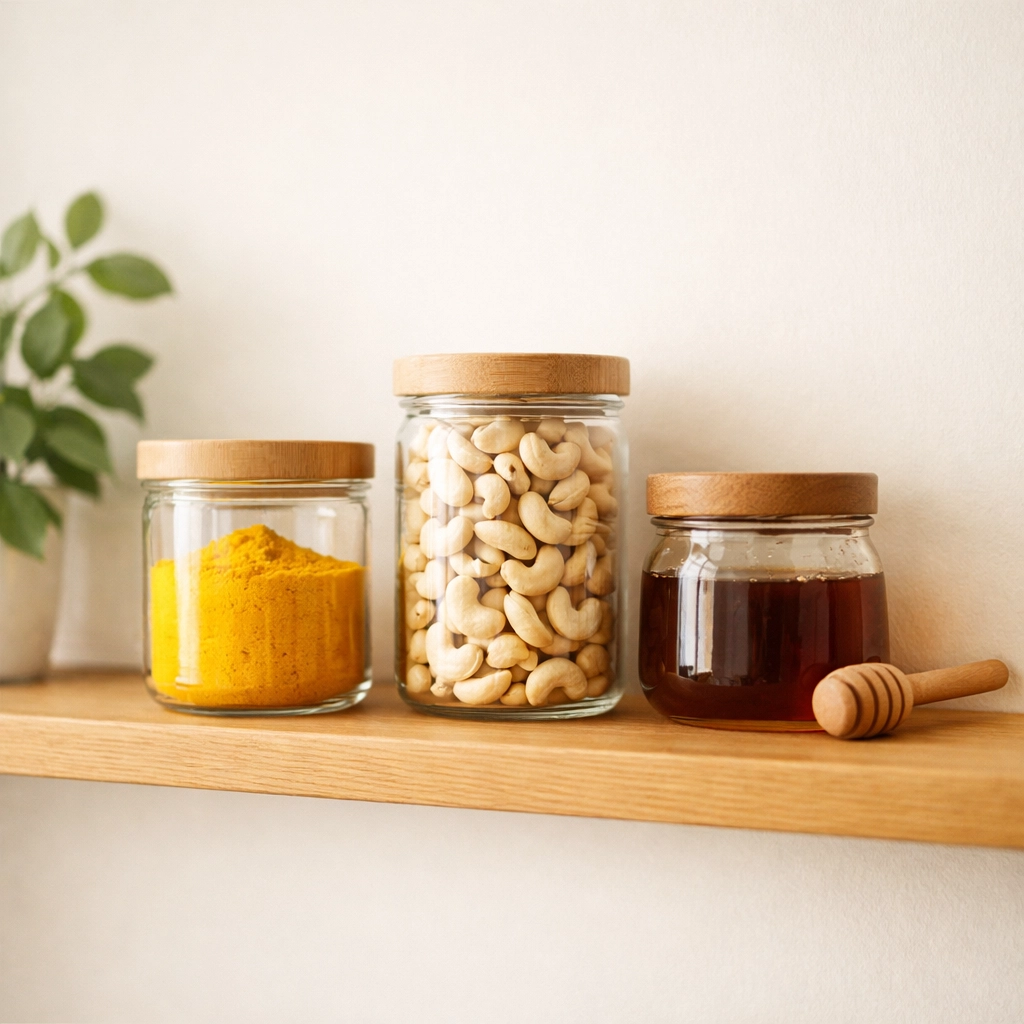
Happy April 1st! And no, I promise this isn’t an April Fool’s prank. While the rest of the world might be busy with jokes, we’re getting serious about something that impacts your life every single day: your pantry.
If you’ve ever looked at a jar of turmeric in your cupboard and wondered how long it’s been sitting there, or if those "mixed nuts" you bought are more salt than substance, you’re in the right place. Today marks Day 1 of our "April SEO Takeover": a 31-day journey where we’re going to help you rebuild your kitchen from the ground up. By the end of this month, your pantry won't just be a storage space; it’ll be a powerhouse of health, flavor, and authentic Indian heritage.
The 31-Day Mission: Why Now?
Why are we spending the next 31 days talking about spices, nuts, and honey? Because at Thottam Farm Fresh, we believe that health starts with the ingredients you use every day. Most of us focus on the "main" part of the meal: the meat, the vegetables, the grains: but we often overlook the tiny powerhouses that provide the flavor and the medicine: the spices.
Throughout April, we’ll be publishing a new guide every single day. We’re covering everything from why you should buy spices online directly from farms to the specific health benefits of H1 grade Ceylon cinnamon. It’s an "SEO Takeover" because we want to make sure that when anyone searches for quality, they find the truth about what real food looks like.
Day 1: The Heart of the Pantry – Kerala Spices Online
As we kick off this guide, we have to start at the source. If the pantry is the heart of the home, then Kerala is the heart of the spice world. You’ve likely heard of the Malabar Coast; for centuries, explorers sailed across oceans just to get a taste of what grows in our backyard.
When people search for Kerala spices online, they aren't just looking for heat; they are looking for an ancient standard of purity. But here’s the problem: the "Kerala spices" you find in a dusty supermarket aisle often lose their essential oils months before they reach the shelf. They become "spice ghosts": the color is there, but the soul (the aroma and health benefits) has evaporated.
That’s why the first step in your 31-day journey is understanding origin. When you source Kerala spices online directly from Thottam Farm Fresh, you are getting produce that has been grown in the nutrient-rich soil of the Western Ghats, sun-dried naturally, and packed without a single pesticide or preservative.
Phase 1: The Great Pantry Purge (Days 1-4)
Before we can fill your kitchen with the good stuff, we have to clear out the clutter.
Step 1: The Sniff Test
Go to your spice rack right now. Open a jar of black pepper or cumin. Does it hit you with a robust, earthy aroma? Or do you have to stick your nose deep into the jar to smell anything at all? If it doesn’t smell like anything, it won't taste like anything. It’s time to let it go.
Step 2: Check the Labels
Look for words like "anti-caking agents," "fillers," or "artificial colors." You’d be surprised how many commercial spice powders contain these to keep them from clumping or to make them look "prettier" on a shelf. Real spices are clumpy because they have natural oils. Real spices vary in color because nature isn't standardized.
Step 3: Organize Your Categories
As you purge, start thinking in categories. A healthy pantry needs:
- Whole Spices: For tempering and long-simmering stews.
- Spice Powders: For daily convenience.
- Premium Nuts: For healthy fats and snacking.
- Natural Sweeteners: Like raw forest honey or Medjoul dates.
Why Sourcing Directly Changes Everything
You might wonder, "Nikhil, why does it matter if I buy from a farm or a big-box retailer?"
It comes down to the supply chain. In the traditional model, spices go from the farmer to a local collector, then to a wholesaler, then to an exporter, then to a distributor, and finally to your store. Each stop adds weeks of time and potential for contamination or "adulteration" (the fancy word for watering down quality).
By the time you search for Indian spices online through a middleman, you’re buying a product that is tired. Our "April Takeover" is about cutting those links. We believe in a direct-from-farm model. When you buy from us, you’re getting spices that were likely still on the vine or in the ground just a few weeks ago. That freshness is where the antioxidants live. That’s where the "health" in a healthy pantry actually comes from.
What’s Coming Up This Month?
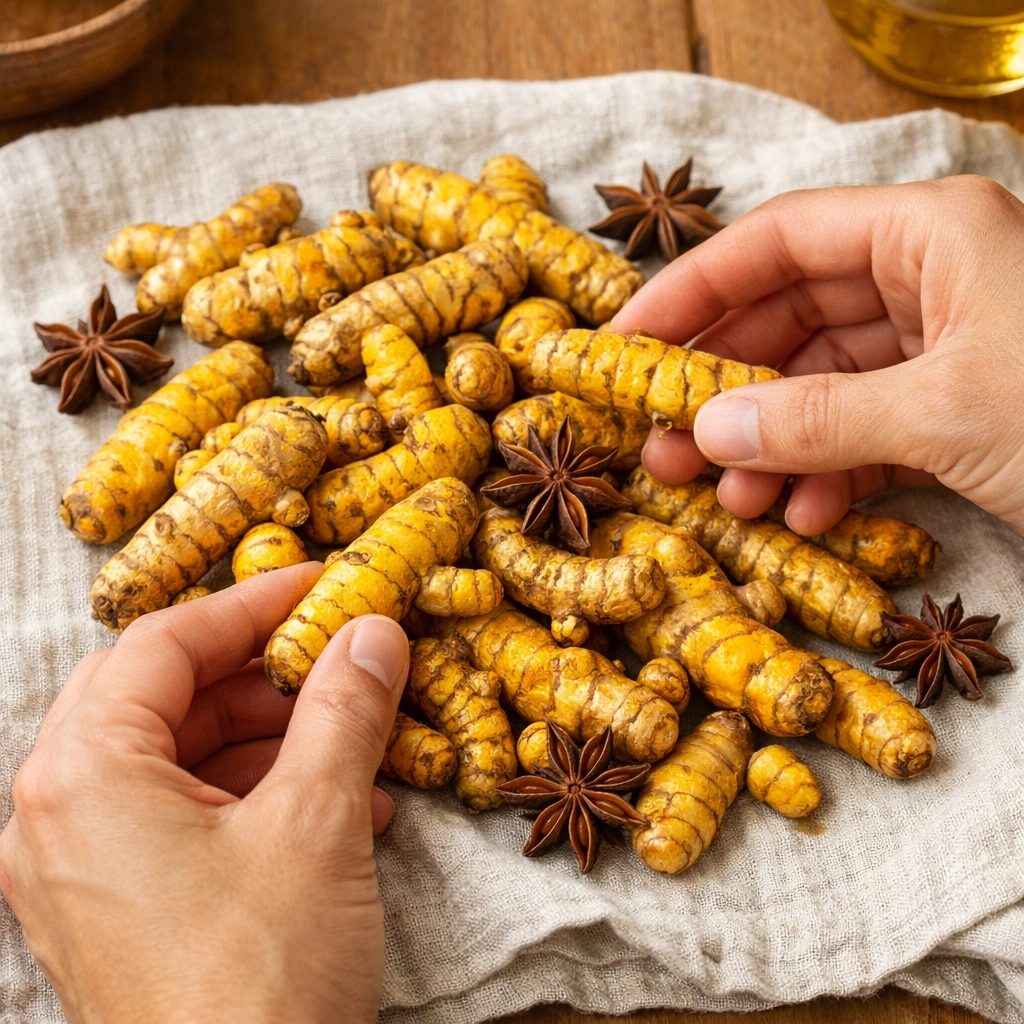
To give you a taste of the journey ahead, here’s a sneak peek at how we’re going to transform your kitchen over the next 31 days:
- The Nut Revolution (Week 1): We’ll talk about why nuts online India varies so much in quality. We’ll dive into the world of cashews and almonds, moving away from salted, fried snacks to dry-roasted, nutrient-dense powerhouses.
- The Liquid Gold Phase (Week 2): We will explore the purity of organic honey online and why tea isn't just a drink, but a ritual.
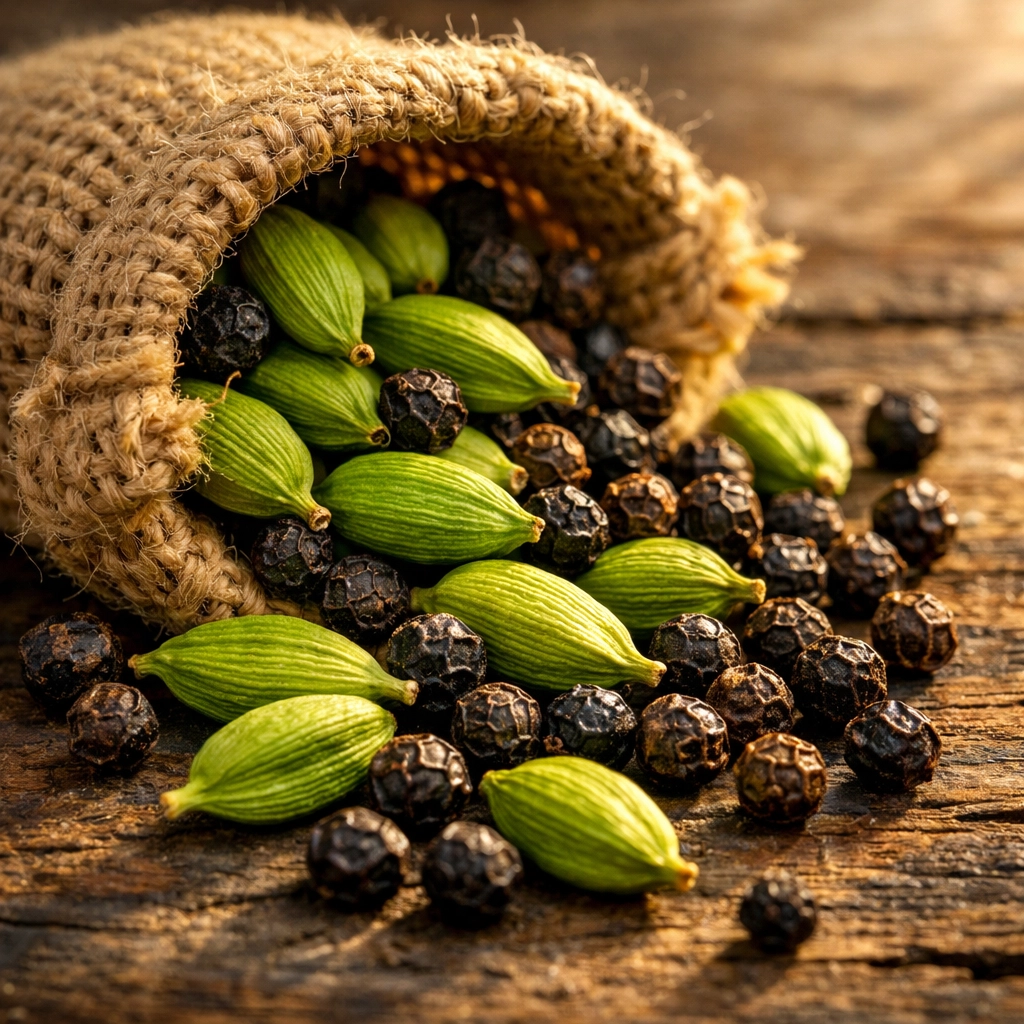
- The Spice Deep-Dive (Week 3): This is where we get into the nitty-gritty. Why does the grade of black pepper matter? What makes Alleppey cardamom the "Queen"? We’ll even look at the difference between regular cinnamon and the delicate, healthy Ceylon cinnamon.
- The Gifting & Ritual Phase (Week 4): Health is better shared. We’ll show you how to choose a spice gift box that actually means something, and how to use "immunity booster" spices to keep your family strong.
The Kerala Advantage: A Sensory Experience
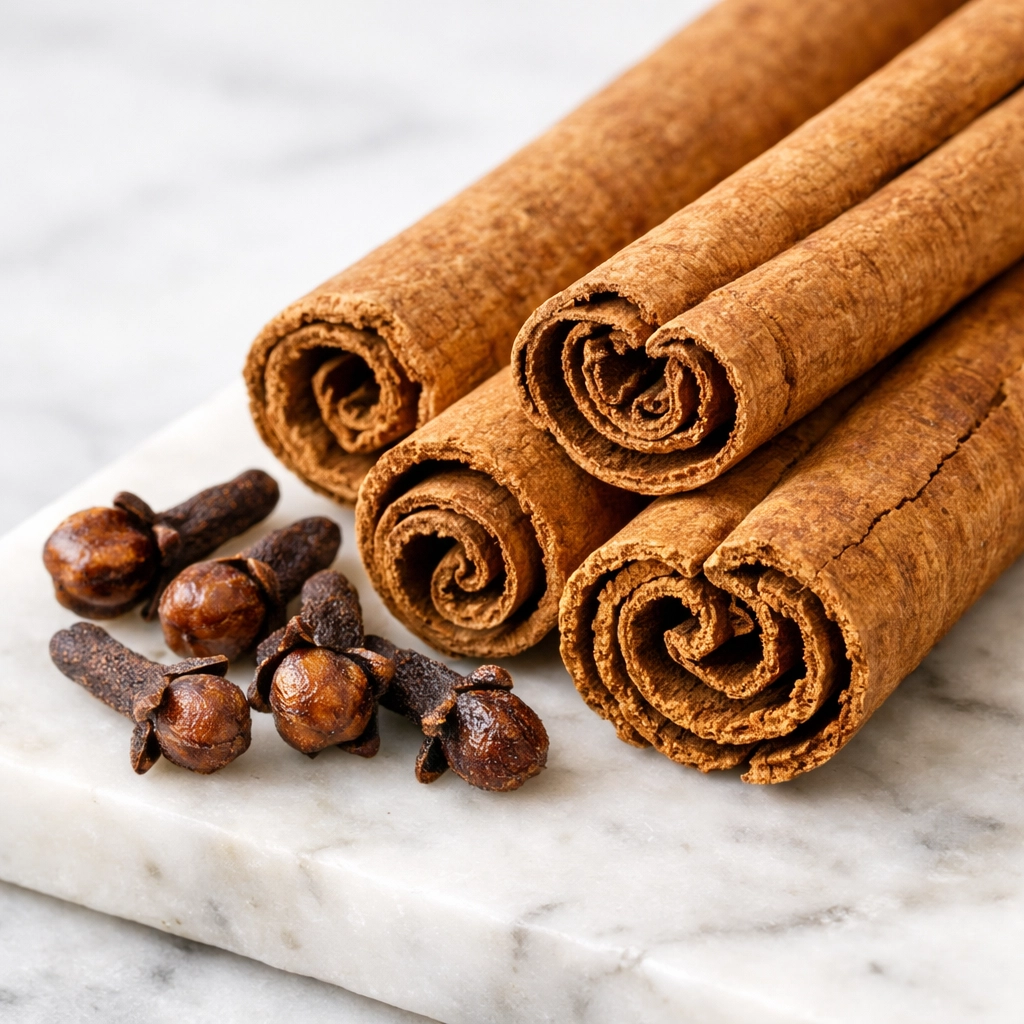
When we talk about Kerala spices online, we’re talking about a sensory experience that most people have forgotten. Have you ever seen a real clove? It should be plump and slightly oily to the touch. Have you seen H1 grade Ceylon cinnamon? It should look like a tightly rolled cigar, brittle and sweet, not the thick, hard bark (Cassia) usually found in stores.
This month is about re-educating our palates. We want you to be able to taste the difference between a mass-produced garam masala and our Garam Masala Pack which is blended from farm-fresh ingredients.
How to Follow Along
This guide is just the beginning. Every day this April, we’ll drop a new post that focuses on one specific element of your pantry.
Your homework for Day 1:
- Inventory: Take a photo of your current spice cabinet.
- The Purge: Toss anything that is more than a year old or has no smell.
- The Essential List: Make a list of the five spices you use most often. Is it Black Pepper? Turmeric? Cardamom? These are your "Tier 1" replacements.
If you’re ready to jumpstart the process, you can explore our full shop to see what fresh-from-the-farm really looks like. Whether you’re looking for biriyani spices for a weekend feast or roasted cashews for a healthy afternoon snack, we’ve got the pure, natural versions waiting for you.
A Note from Our CEO, Nikhil George
"I started Thottam Farm Fresh because I saw how the 'source' was being lost in the noise of big business. We wanted to bring the farm back to the table. This April, my goal isn't just to sell you a jar of spices; it's to change the way you think about food. A healthy pantry isn't an elite luxury: it's a return to the basics. It’s about purity, transparency, and the incredible flavors that nature provides when we don't mess with it."
Stay Tuned
Tomorrow, we’re diving deeper into the specific world of Kerala spices online and how to spot an authentic batch of Malabar gold. We’ll talk about the climate, the farmers, and the specific grades that make Kerala the world's spice capital.
Get ready. Your 31 days to a healthier pantry starts… now.