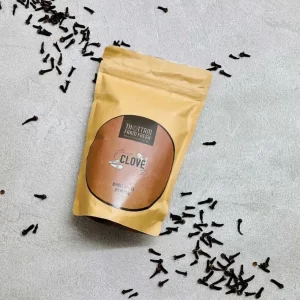
Let’s be honest: your spice cabinet probably has a few secrets. That jar of "premium" cinnamon that smells like nothing? Or the black pepper that tastes more like dust than heat? We’ve all been there.
At Thottam Farm Fresh, we believe that cooking shouldn't just be about following a recipe; it should be about the ingredients that bring that recipe to life. Purity isn't just a marketing slogan for us: it’s the way we live. This April, we’re taking over your kitchen (metaphorically, of course!) to guide you through 31 days of purity.
Whether you’re looking to buy spices online for the first time or you’re a seasoned pro looking for the best Indian spices online, this guide is your roadmap to a cleaner, tastier pantry.
Week 1: The Foundations of Trust
Choosing the right ingredients starts long before you hit "add to cart." It starts with understanding where your food comes from.
Day 1–3: Origin and the Short Supply Chain
The biggest mistake most people make when they buy spices online is looking at the price tag before the origin. If a label says "packed in India" but doesn't specify which state or farm, be wary. For the best flavor, you want spices that come from their ancestral homes.
For example, the Malabar Coast of Kerala is the undisputed king of black pepper and cardamom. When you source Kerala spices online directly from the farm, you’re cutting out months: sometimes years: of storage in dusty warehouses. Short supply chains mean the volatile oils (the stuff that actually makes spices smell and taste good) are still intact when they reach your kitchen.
Day 4–7: The Ingredient List & Adulteration
A pure spice should have exactly one ingredient. "Ingredients: Turmeric." That’s it. If you see anti-caking agents, artificial colors, or "nature-identical flavors," put it back.
Adulteration is a real problem in the industry. Did you know some cheap chili powders are bulked up with brick dust? Or that saffron is often faked using dyed corn silk? Real saffron should color water slowly, turning it a vibrant yellow, not a sudden blood red.

Week 2: The Spice Deep Dive
Now that we’ve covered the basics, let’s look at the heavy hitters in your spice box.
Day 8–10: Black Pepper and Cardamom
When you look for black pepper online, don't just settle for "ground pepper." Look for Tellicherry Black Pepper. These are larger, riper berries that have stayed on the vine longer, resulting in a complex, citrusy heat that regular pepper can't touch. You can learn more about why Tellicherry pepper is the gold standard here.
Similarly, with cardamom, size matters. We call it the "Alleppey Bold" standard. Look for pods that are plump, firm, and a natural dusty green: not a neon, dyed green.
Day 11–12: The Cinnamon Dilemma
This is a big one. Most of the "cinnamon" sold in supermarkets is actually Cassia, which contains high levels of coumarin (not great for your liver if consumed in large amounts). If you use cinnamon daily in your tea or oats, you should switch to Ceylon cinnamon.
It’s often called "True Cinnamon" for a reason. It has a delicate, sweet flavor and a soft, multi-layered bark that crumbles easily. If you're curious, we have a great guide on how to identify real Ceylon cinnamon.
Day 13–14: Whole vs. Powdered
If you want to ensure 100% purity, buy whole spices and grind them yourself. It takes an extra 30 seconds, but the difference in aroma is staggering. Plus, it’s much harder to "fake" a whole peppercorn than it is to fake a powder.

Week 3: Elevating Your Snack Game (Dry Fruits & Nuts)
Purity isn't just for your curry; it’s for your snacks, too. If you're looking to buy dry fruits online, here’s what you need to look for.
Day 15–17: Dates and Cashews
When searching for premium dry fruits online India, you’ll likely run into Medjoul dates. They should be plump and slightly shiny, but never sitting in a pool of syrup. If the ingredients list "glucose syrup," keep moving.
For cashews, look for "W240" or "W320" grades. The "W" stands for whole, and the number refers to the count per pound. Lower numbers mean bigger, creamier nuts. Avoid nuts that look shriveled or have a yellow tint; that’s a sign of old age and rancid oils.
Day 18–21: Walnuts, Raisins, and Honey
Walnuts are incredibly healthy but prone to going rancid because of their high fat content. Good walnuts should smell mildly nutty, not like paint.
And don't forget the sweeteners! If you're buying organic honey online, look for "raw" and "unfiltered." Most commercial honey is heated to high temperatures, which kills off the beneficial enzymes. Real honey will crystallize over time: that’s actually a sign of purity, not that it’s gone bad! Many of our customers love pairing raw honey with green tea for a morning immunity boost.

Week 4: Habits for a Purer Life
As we wrap up our 31 days of purity, let’s talk about how to keep that momentum going in your daily life.
Day 22–25: Pesticide-Free and Sustainability
Choosing pesticide-free spices online India is about more than just your health; it’s about the health of the soil. Small-batch farming, like what we practice at Thottam Farm Fresh, ensures that the land isn't stripped of its nutrients by aggressive chemical farming. It costs a little more, but the flavor profile is infinitely deeper.
Day 26–28: Storage is Key
You’ve spent the time to find the best farm fresh spices online delivery, so don't ruin them by storing them in plastic bags near a hot stove!
- Spices: Store in airtight glass jars in a dark, cool cupboard.
- Nuts: If you buy in bulk, keep them in the fridge to prevent the oils from going rancid.
- Powders: Only buy what you can use in 6 months.

Day 29–31: Trust Your Senses
The final step in our 31-day journey is re-training your palate. After a month of using farm-direct spices, try going back to a generic supermarket brand. You’ll notice the difference immediately. The supermarket spice will taste "flat," while the pure spice has layers of flavor.
Whether it’s the medicinal warmth of nutmeg or the refreshing kick of a well-made masala tea, pure ingredients change the way you feel.
Why Choose Thottam Farm Fresh?
We know you have choices when you buy spices online. But we aren't just another e-commerce site. We are farmers and curators. When you buy from us, you’re getting products that have been personally vetted by our team: often sourced from our own farms or from neighbors we’ve known for years.
Our mission is simple: to bring the authentic flavors of the Malabar Coast and the Indian heartland directly to your doorstep, without any of the chemicals or fillers.
Quick Checklist for Your Next Order:
- Check the Grade: (e.g., Bold Cardamom, H1 Ceylon Cinnamon).
- Check the Origin: Is it from Kerala? Is the region mentioned?
- Check the Ingredients: Is it 100% pure?
- Check the Date: When was it harvested or packed?

Cooking is an act of love: for yourself, your family, and the planet. Why settle for anything less than pure? This April, join us in making the switch. Your taste buds (and your health) will thank you.
Ready to start your journey? Explore our collection of authentic Indian spices online and experience the Thottam difference today. From our farm to your table, we promise nothing but the best.