You probably have a pepper shaker on your table right now. It sits there, unassuming, next to the salt, waiting to be dashed over an egg or stirred into a soup. And I hate to be the bearer of bad news, but if that pepper came from a generic grocery store tin, it’s probably lying to you.
Most of what passes for “black pepper” today is a shadow of its former self: pre-ground dust that lost its soul somewhere between a massive processing plant and a dusty warehouse shelf.
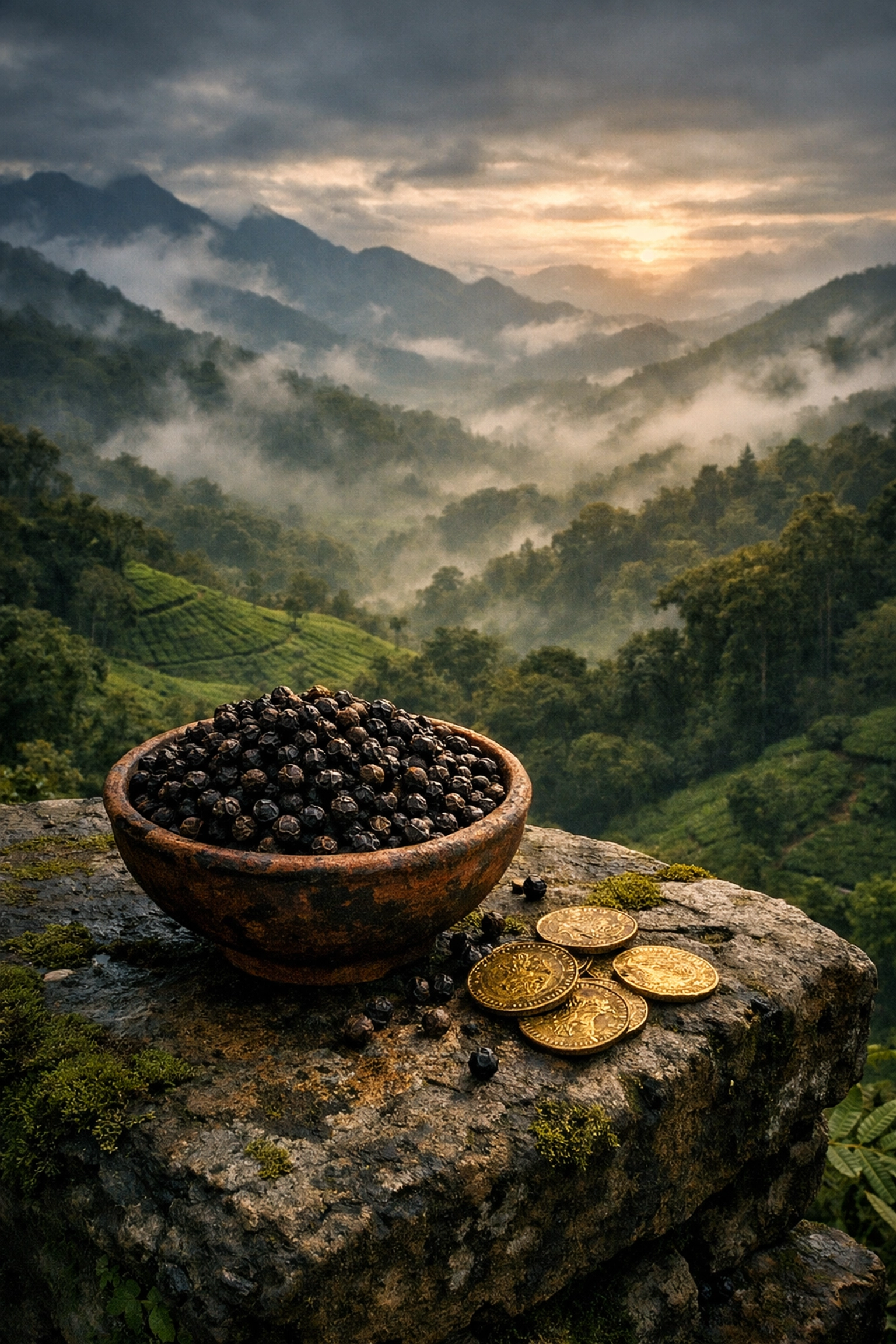
But there was a time when these tiny black spheres were the most sought-after commodity on the planet. They were the “Black Gold” of the Malabar Coast. They built empires, launched a thousand ships, and were literally traded gram-for-gram with actual gold.
If you want to understand why we call it the “King of Spices,” you have to look toward the humid, emerald-green hills of Kerala. And if you want to taste what the fuss was about, you need to stop settling for “pepper” and start looking for black pepper online that actually deserves the crown.
A History Written in Peppercorns
Before it was a pantry staple, black pepper was a luxury. In the ancient world, it was the ultimate status symbol. Roman emperors didn’t just want it for their food; they wanted it to flex their wealth. When the Goths besieged Rome in 410 AD, they didn’t just ask for gold and silver as ransom; they demanded 3,000 pounds of black pepper.
Why? Because back then, the source was a mystery. For over 4,000 years, the Malabar Coast of India: specifically what is now modern-day Kerala: held a global monopoly on this spice.
The Western world knew pepper came from the East, but the journey was so treacherous and shrouded in myth that the prices stayed astronomical. Medieval legends even claimed that pepper groves were guarded by venomous serpents, and farmers had to burn the trees to drive the snakes away (which, according to the myth, is why the berries turned black and wrinkled).
In reality, it was just the perfect combination of Kerala’s unique red soil and the monsoon rains of the Western Ghats. This geographic monopoly is what drove Vasco da Gama to sail around the tip of Africa in 1498. He wasn’t looking for a vacation; he was looking for a direct route to the Malabar Coast to bypass the middlemen and get his hands on the spice that was funding the world’s economy.
What Makes a King? (Hint: It’s the Piperine)
We call it the “King” because of its versatility, but the crown is actually earned through chemistry. The secret sauce inside every peppercorn is a compound called piperine.
Piperine is what gives black pepper its heat. Unlike the capsaicin in chili peppers, which hits you like a freight train, piperine is a slow, sophisticated burn. It lingers. It enhances other flavors rather than masking them.
But piperine isn’t just for your taste buds; it’s a biological powerhouse.
The Bioavailability Secret
If you’re into health trends, you’ve probably heard that you should always take turmeric with black pepper. There’s a scientific reason for that. Turmeric contains curcumin, which is amazing for inflammation but notoriously difficult for the human body to absorb. Piperine increases the bioavailability of curcumin by up to 2,000%.
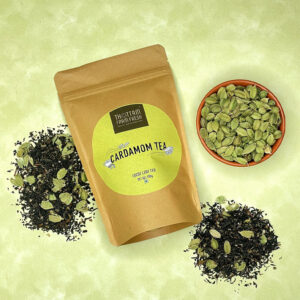
Without the King, the Queen (Cardamom) and the Golden Child (Turmeric) just can’t do their jobs as effectively.
Digestion and Detox
Black pepper doesn’t just sit in your stomach. It signals your stomach to produce more hydrochloric acid. This sounds scary, but it’s actually great: it helps you break down proteins more efficiently, reducing bloating and gas. It’s also packed with antioxidants that fight off free radicals, making it a “functional food” before that was even a marketing term.
Not All Pepper is Created Equal: The Tellicherry Distinction
If you’re looking to Tellicherry black pepper buy online, you’re looking for the elite tier of the spice world.
In the spice trade, size actually matters. Most black pepper is harvested and sorted by grade. As the peppercorn stays on the vine longer, it grows larger and loses its green color, turning dark red before being harvested and dried.
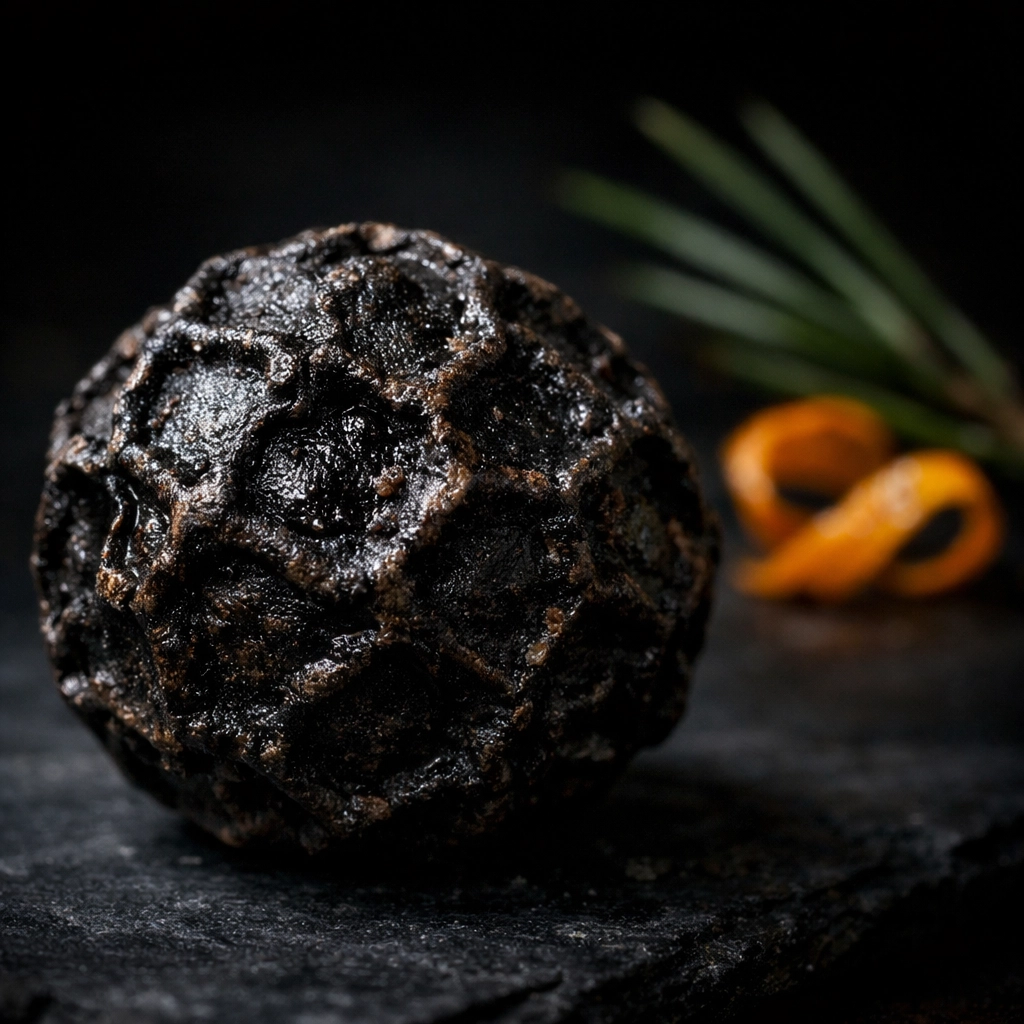
Tellicherry Bold (TGSEB – Tellicherry Garbled Special Extra Bold) is the highest grade available. To be classified as Tellicherry Bold, the peppercorns must be at least 4.25mm in diameter.
Why does size matter? Because a larger berry means more surface area for essential oils and a more complex flavor profile. While standard pepper is just “hot,” Tellicherry Bold has notes of citrus, pine, and even a faint sweetness. It’s the difference between a box wine and a vintage Malbec.
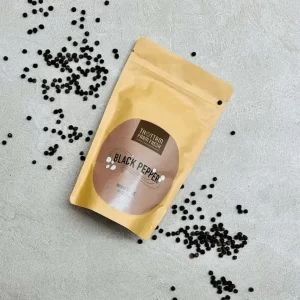
At Thottam Farm Fresh, we don’t just source “pepper.” We source the heritage of the Malabar Coast. Our Tellicherry peppercorns are left to ripen longer on the vine, ensuring they develop that signature robust aroma that fills the room the second you crack them in a mill.
The Problem with the “Dust” in Your Pantry
Here is the “Problem-Solution” talk: Most commercial pepper is “spent” or low-grade.
Because pepper is sold by weight, many industrial suppliers include “lightberries” (hollow husks), dust, and stems in their pre-ground mixes. Even worse, many mass-market spices are treated with harsh chemicals or steam-sterilized to the point where the volatile oils: the stuff that actually tastes good: are evaporated away.
When you buy generic, you’re often getting the leftovers of the harvest.
The remedy? Buy whole peppercorns. Specifically, pesticide-free, farm-fresh ones.
At Thottam Farm Fresh, we skip the middleman. We work directly with farmers in the Western Ghats to ensure our pepper is grown using traditional, sustainable methods. We don’t use pesticides that dull the flavor (and your health). We give you the spice exactly how the Roman emperors wanted it: pure, pungent, and powerful.
How to Use the King Like a Pro
If you’ve invested in high-quality black pepper online, don’t disrespect it by throwing it into a boiling pot at the very beginning of your cook time. Heat can eventually kill the delicate aromatic compounds of high-grade pepper.
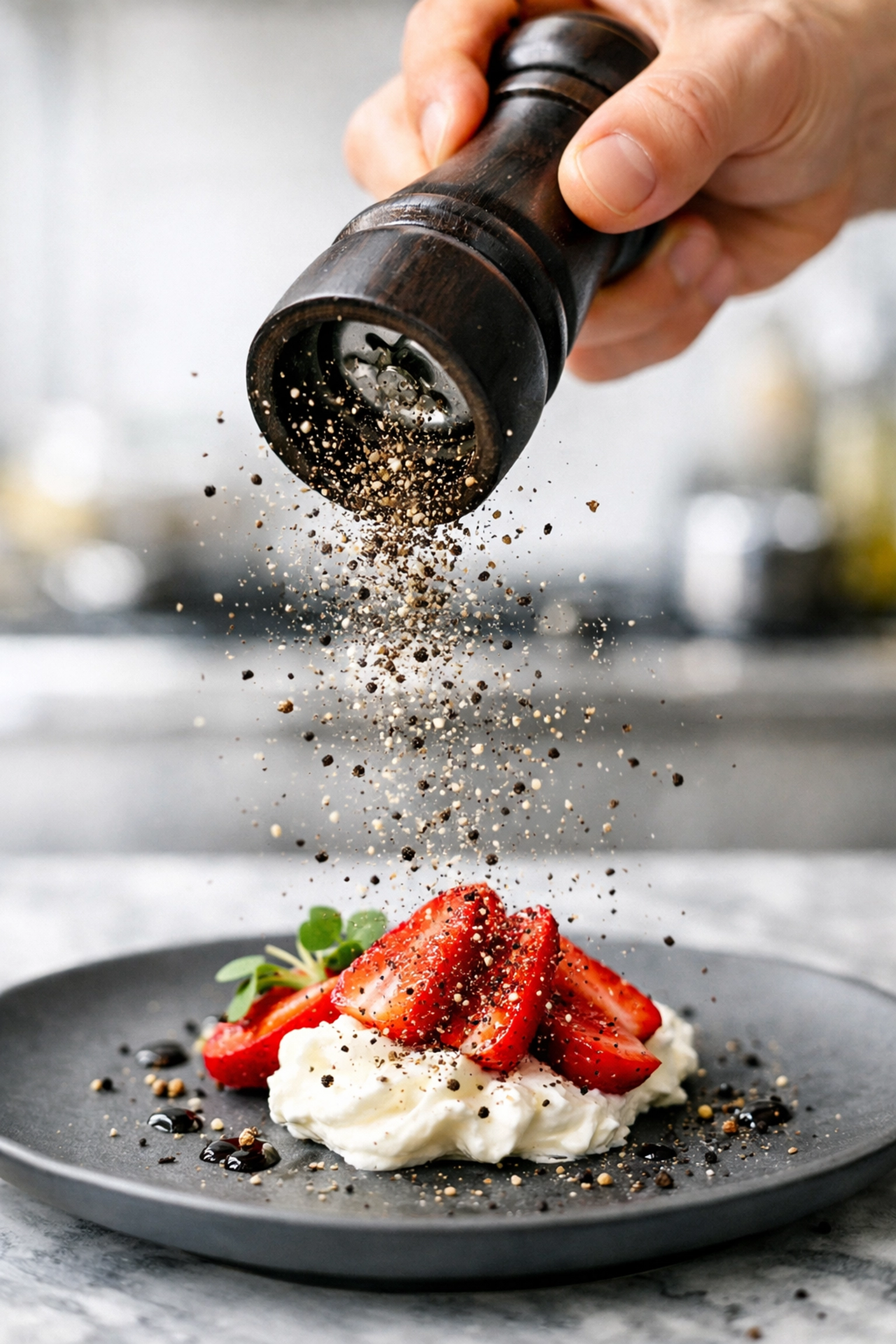
- The Finishing Touch: Grind your Tellicherry pepper over the dish right before serving. The heat of the food will release the oils, and the aroma will hit your guests before the plate even touches the table.
- Toast Your Peppercorns: If you really want to level up, toss whole peppercorns into a dry pan over medium heat for 60 seconds until they become fragrant. Then grind them. This “wakes up” the oils.
- Beyond Savory: Try a crack of fresh black pepper over strawberries or vanilla bean ice cream. The piperine cuts through the sweetness and creates a sophisticated, “foodie” flavor profile that will make people think you went to culinary school.
Why Thottam Farm Fresh?
We aren’t a massive corporation churning out millions of identical plastic bottles. We are a specialty spice house rooted in the soil of Kerala.
When you choose to Tellicherry black pepper buy online from us, you’re getting:
- Direct Sourcing: We know exactly which farm your pepper came from.
- Pesticide-Free Guarantee: We believe spices should be medicine, not a source of toxins.
- Maximum Freshness: Our pepper isn’t sitting in a distribution center for years. It’s harvested, dried, and sent to you.
The Malabar Coast has been the center of the spice universe for millennia. We’re just making sure that legacy stays alive: and that your dinner tastes a whole lot better.
Ready to see what “Black Gold” actually tastes like? It’s time to retire the dust and invite the King back into your kitchen.
Explore our full range of Kerala spices or dive deep into the health benefits of cardamom to see how the Queen pairs with her King. Your pantry will thank you.