Have you ever spent an hour meticulously prepping a traditional curry, followed the recipe to the last gram, and still found the final taste lacking that "magic"? You aren’t alone. Most of the time, the culprit isn't your cooking skill, it’s the spices sitting in your pantry. If those spices came from a dusty supermarket shelf where they’ve been sitting for six months, they’ve already lost the volatile oils that give them life.
When we talk about an authentic kitchen, we are really talking about the soul of the Malabar Coast. Kerala hasn’t been called the "Spice Garden of the World" for nothing. For centuries, traders from across the globe risked everything to reach these shores for one thing: quality. Today, you don't need a wooden ship and a compass; you just need to know how to find the right Kerala spices online.
In this guide, I’m going to walk you through exactly what makes these spices special, which ones are non-negotiable for your pantry, and how to spot the real deal in a sea of online options.
Why Kerala Spices are in a League of Their Own
The secret isn’t just in the plants; it’s in the soil. The Western Ghats of Kerala provide a unique microclimate, high humidity, heavy rainfall, and rich, loamy soil, that acts as a natural greenhouse for aromatic spices.
When you buy spices sourced directly from this region, you’re getting a higher concentration of essential oils. For example, Kerala’s black pepper isn’t just "spicy"; it has a complex, citrusy undertone. Its cardamom isn’t just "sweet"; it’s intensely floral and camphorous. This depth is what separates a mediocre meal from an unforgettable experience.

The Essential Kerala Spice Checklist
If you're looking to build an authentic kitchen from scratch, you don't need fifty different jars. You need a core group of high-quality essentials. Here is what you should be looking for when browsing for Kerala spices online:
1. The King: Black Pepper (Tellicherry Grade)
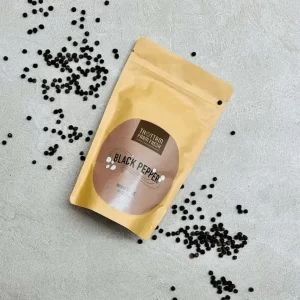
Black pepper is the foundation of almost every savory dish. But did you know that most commercial pepper is a mix of various grades and ages? Authentic Kerala black pepper, especially the Tellicherry Garbled Extra Bold (TGEB) grade, consists of larger berries that have been allowed to ripen longer on the vine. This results in a more robust, pungent flavor that hits the back of your throat with a satisfying warmth.
Pro tip: Always buy black pepper online as whole peppercorns. Once it's ground, the flavor starts evaporating within days.
2. The Queen: Green Cardamom
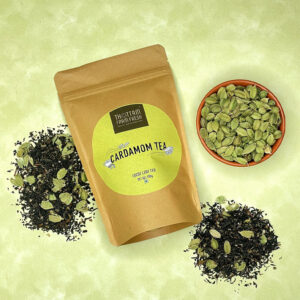
The aroma of freshly opened Kerala cardamom is enough to change your mood. Look for "8mm Bold" pods. These are the premium grade, plump, vibrant green, and heavy with seeds. If the pods look yellow or shriveled, they are old or have been harvested prematurely. Real Kerala cardamom should feel slightly sticky inside due to the high oil content.
3. The Golden Healer: Turmeric
Forget the bright neon-yellow powders you see in standard grocery stores. Real Kerala turmeric (like the Alleppey variety) has a deep, almost orange hue. This is due to its high curcumin content. It should smell earthy and slightly musky, not like sawdust.
4. The Warmth: Cloves and Cinnamon
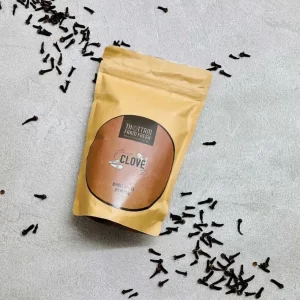
Kerala cloves are famous for being "fat" and full of oil. If you press a fingernail into the stem of a quality clove, it should release a tiny bit of oil. As for cinnamon, many people unknowingly buy Cassia (which is hard and woody). Authentic Kerala kitchens often use true Ceylon cinnamon or high-quality local barks that are delicate, sweet, and layerable.

The Online Dilemma: How to Spot the "Fakes"
The convenience of buying Kerala spices online is great, but it comes with a challenge: you can’t smell the product through your screen. To ensure you’re getting farm-fresh quality, look for these three markers:
Origin Transparency
Does the website tell you exactly where the spices come from? At Thottam Farm Fresh, we believe in "traceability." If a seller just says "Product of India," that’s a red flag. Look for mentions of Idukki, Wayanad, or the Malabar Coast. These regions are the gold standard for spice cultivation.
Harvest Dates and Batch Sizes
Mass-market brands process spices in gargantuan quantities and store them in warehouses for years. Authentic boutique sellers work in smaller batches. If a seller emphasizes "farm-to-table" or "direct-from-farm," you’re much more likely to receive spices harvested in the current season.
The Appearance of Whole Spices
Look closely at the product photos. Are the cardamom pods uniform and bright? Are the peppercorns dark and wrinkled rather than grey and dusty? High-quality online stores will show you high-resolution photos of the actual product grade you are buying.

Whole Spices vs. Powders: The Freshness Factor
I’ll be honest with you: if you want an authentic kitchen, you need to fall in love with your spice grinder or mortar and pestle.
Spices contain volatile oils that are protected by their outer husks or skins. The moment you grind a spice, those oils are exposed to air and begin to oxidize. Within weeks, the flavor profile flattens. This is why we always recommend buying whole spices when you shop for Kerala spices online.
However, we know life gets busy. If you must buy powders, ensure they are ground in small batches and packaged in airtight, light-protected containers. Avoid the transparent plastic bags often found in local markets; light is the enemy of spice potency.
Why Sourcing Matters (Beyond the Taste)
When you choose to buy from a farm-direct source like Thottam Farm Fresh, you aren't just getting better flavor, you're supporting a more ethical ecosystem.
The traditional spice trade involves five or six middlemen, each taking a cut while the farmer gets pennies. By the time that spice reaches you, it’s old, and the person who grew it is struggling. Direct sourcing ensures that farmers get a fair price for their labor, which in turn encourages them to maintain traditional, sustainable farming practices. It’s a win-win: you get the purest spices, and the Kerala farming heritage stays alive.

Storing Your Treasures
So, you’ve placed your order and your box of aromatic wonders has arrived. Your kitchen smells like a dream. Now, how do you keep it that way?
- Glass is King: Transfer your spices to airtight glass jars. Plastic can sometimes leach odors or absorb the spice’s oils.
- Stay in the Dark: Sunlight bleaches the color and flavor out of spices. Keep your jars in a dark cupboard or use amber-colored glass.
- Cool and Dry: Never store your spices right above the stove. The steam from your cooking can get into the jars, causing the spices to clump or, worse, develop mold.
Creating Your Own Blends
Once you have your authentic Kerala spices, the fun begins. Instead of buying a pre-made "curry powder," try making your own Garam Masala. Toast a few pods of cardamom, a stick of cinnamon, some cloves, and black peppercorns in a dry pan until they become fragrant. Grind them up, and I promise you, the smell will be unlike anything you’ve ever bought in a store.
It’s these small rituals: the toasting, the grinding, the vibrant colors: that turn cooking from a chore into a sensory experience.
Final Thoughts
Building an authentic kitchen isn't about having the most expensive copper pans or a fancy stove. It’s about the ingredients. By choosing to source your Kerala spices online directly from the farms of God’s Own Country, you are bringing a piece of history, health, and incredible flavor into your home.
Ready to transform your cooking? Take a look at our latest harvest and experience the difference that "farm-fresh" really makes. Your taste buds: and your family( will thank you.)