Walk into your kitchen and open that spice cabinet. Does it smell like a vibrant bazaar in Kerala, or does it just smell like… dust? Most of us assume that if it’s on a shelf and labeled "Turmeric" or "Black Pepper," that’s exactly what we’re getting. But in the world of mass production, the truth is often much grittier: sometimes literally.
When you decide to buy spices online, you aren’t just looking for convenience; you’re looking for flavor, health, and a connection to the source. But how do you tell a premium, farm-fresh harvest from a factory-blended mix filled with sawdust and dyes?
At Thottam Farm Fresh, we believe the distance between the farm and your table should be as short as possible. Here are 31 essential things you need to know to ensure your spice rack is as pure as nature intended.
The Red Flags: How to Spot "Fakes"
1. The Neon Yellow Warning
If your turmeric looks like a highlighter pen, be careful. Many commercial brands use metanil yellow, a non-permitted food color, to make low-grade turmeric look "premium." Pure turmeric should be a deep, earthy orange-yellow.
2. The Floating Pepper Test
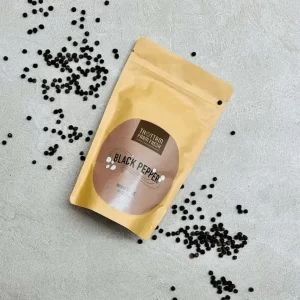
Did you know that some vendors mix papaya seeds with black pepper? They look remarkably similar. A quick tip: drop a few peppercorns in water. Real, heavy black pepper will sink. Papaya seeds or light, hollow berries will float.
3. Sawdust in Your Chilli
It sounds like a nightmare, but brick powder and sawdust are common fillers in cheap chilli powder. If your chilli powder feels unusually gritty when rubbed between your fingers, it’s a sign of inorganic adulterants.
4. Starch and Resin in Hing
Compounded Asafoetida (Hing) is often bulked up with excessive wheat flour or rice flour. While some flour is necessary for consistency, high-quality Hing should have a sharp, pungent aroma that fills the room the moment the jar is opened.
5. The "Hiss" of Freshness
When you open a jar of whole seeds: like cumin or fennel: there should be a faint "hiss" or a rush of aroma. If it smells like nothing, the essential oils (the good stuff) have already evaporated.
6. Artificially Glossy Cloves
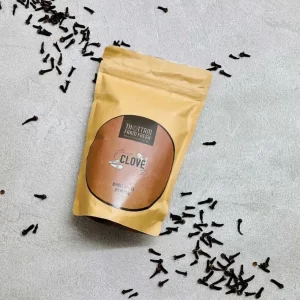
If cloves look oily or wet, they might have been coated in mineral oil to look fresh. Pure cloves have a matte, dark brown appearance and should feel dry to the touch.
7. The Chalky Truth about Salt
If you use specialty salts, dissolve a spoonful in a glass of water. If the water turns cloudy or leaves a white sediment at the bottom, you’re likely looking at chalk powder.
The Sourcing Secrets: Why Origin is Everything
8. Single-Origin vs. Blends
Generic spices are often a "blend" of various harvests from different regions and years. Single-origin spices, like our authentic Kerala spices, come from one farm or one region, ensuring a consistent and distinct flavor profile.
9. The Ceylon vs. Cassia Debate
Most "cinnamon" sold online is actually Cassia, which contains high levels of coumarin (not great for your liver in large doses). Real Ceylon Cinnamon is "True Cinnamon."

10. Understanding H1 Grade
When you buy spices online, look for grades. For Ceylon Cinnamon, H1 is the gold standard: it’s thin, brittle, and sweet. If it looks like a single thick piece of bark, it’s Cassia.
11. The Malabar Coast Terroir
Just like wine, spices have "terroir." The soil and climate of India's Malabar coast produce black pepper with a heat and complexity that you simply won’t find elsewhere.
12. Alleppey Green Bold Cardamom
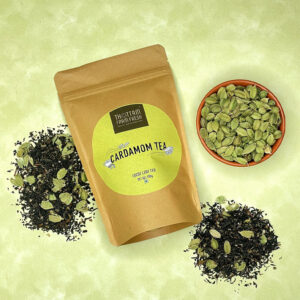
This isn't just a fancy name. It refers to the size and maturity of the cardamom pod. Larger, plumper pods contain more essential oils and a deeper, floral sweetness.

13. Direct-from-Farm Sourcing
The more "middlemen" there are, the older the spice becomes. By the time a generic spice reaches a supermarket shelf, it could be two years old. Direct sourcing ensures you get the current season's harvest.
14. Pesticide-Free is a Choice
Mass-produced spices often rely on heavy chemical pesticides to ensure high yields. Choosing pesticide-free options is not just better for the planet; it’s essential for your long-term health.
The Culinary Experience: Whole vs. Powdered
15. The Volatile Oil Factor
Spices get their flavor from volatile oils. Once a spice is ground, these oils begin to dissipate. This is why we always recommend buying whole spices and grinding them as needed.
16. Why Fresh-Ground Wins
If you buy whole spices online, you’re getting the "vault" of flavor. Grinding them just before cooking releases a level of aroma that pre-packaged powders can never match.
17. The Tellicherry Bold Advantage
Tellicherry peppercorns are left on the vine longer to ripen. This makes them larger and more flavorful. When you see "Tellicherry Bold," you’re looking at the top 10% of the harvest.

18. Small-Batch Curation
Large corporations process tons of spices at once. Small-batch curation means every batch is inspected for quality, ensuring no stones, husks, or "dead" spices make it into your jar.
19. No MSG or Fillers in Blends
When buying a Garam Masala pack, check the ingredients. There should be no anti-caking agents or flavor enhancers. Pure spices don’t need help to taste good.
Storage and Longevity
20. Glass Over Plastic
Plastic can leach chemicals over time and doesn't provide a perfect seal. High-quality spices should always be stored in airtight glass jars to preserve their potency.
21. Heat is the Enemy
Never store your spice rack right above the stove. The rising heat and steam will "cook" the spices in the jar, destroying their medicinal properties and flavor.
22. Sunlight Fades Flavor
Direct sunlight can bleach the color and flavor out of spices. A dark, cool pantry is the best home for your collection.
23. The 6-Month Rule
While spices don't "spoil" in a way that makes you sick, they do lose their soul. Try to use ground spices within six months and whole spices within a year for the best experience.
Health and Purity: The "Thottam" Way
24. Spices as Medicine
In Ayurveda, spices are medicine. Turmeric is an anti-inflammatory powerhouse, and black pepper aids nutrient absorption. But these benefits only exist if the spice is pure.
25. The Honey Purity Test
Real honey isn't just sugar. If you buy forest honey, drop a teaspoon into water. Pure honey will settle at the bottom as a lump. If it dissolves instantly, it’s likely spiked with sugar syrup.

26. Traceability Matters
Can the company tell you exactly which region your spice came from? At Thottam Farm Fresh, we pride ourselves on transparency. We want you to know the journey from our farms to your kitchen.
27. The Ethics of the Price Tag
If spices are "dirt cheap," someone else is paying the price: usually the farmer. Fair pricing ensures that the people growing these incredible ingredients can sustain their families and their land.
28. No Artificial Colorants
From the deep red of Kashmiri chilli to the golden hue of turmeric, colors should be natural. If a spice leaves a bright, stubborn stain on your hands that won't wash off, be suspicious of synthetic dyes.
29. Essential Oil Content
The "weight" of a spice often indicates its quality. High-quality cardamom or cloves will feel slightly heavy for their size, indicating they are packed with moisture-rich essential oils.
30. Supporting Biodiversity
Traditional spice farming in Kerala often uses "multi-cropping": growing pepper, cardamom, and coffee together. This maintains soil health and biodiversity, unlike the monocultures of industrial farming.
31. Your Gut Feeling
Finally, trust your senses. Real spices should be an experience. They should make you sneeze, make your mouth water, and make your kitchen smell like a dream. If they don't, it’s time to upgrade.
Conclusion
Your kitchen is the heart of your home, and the spices you use are the soul of your food. When you buy spices online, you have the opportunity to bypass the industrial machine and connect directly with the earth.
Ready to clear out the "dust" and bring home the "gold"? Explore our curated collection of authentic Indian spices and taste the difference that farm-fresh purity makes. From the hills of Kerala to your doorstep, we’re here to bring the farm closer to you.