You’ve decided to elevate your home cooking. You want that robust, floor-to-ceiling aroma that only authentic Indian curries and masalas can provide. So, you do what millions of food enthusiasts do: you search for Indian spices online. Within seconds, you are bombarded with thousands of listings, glossy packaging, and "unbeatable" prices.
But here is the truth that many commercial sellers won’t tell you: not all spices are created equal. In fact, when you buy spices from a massive digital marketplace rather than a dedicated source, you might be sacrificing flavor, health, and authenticity.
At Thottam Farm Fresh, we believe that the journey from the farm to your kitchen should be transparent and untainted. To help you navigate the world of digital spice shopping, we’ve rounded up the 7 most common mistakes buyers make, and how you can fix them to ensure your pantry is filled with only the purest ingredients.
1. Prioritizing Price Over Purity (The "Sale" Trap)
It’s tempting to sort by "lowest price" when you’re looking to buy Indian spices online. However, spices are a commodity where the price often directly reflects the quality. When you see a 1kg bag of turmeric or chili powder at a price that seems too good to be true, it usually is.
The Mistake: Extremely low prices often indicate that the spice has been diluted with fillers like rice flour, starch, or, worse, harmful artificial dyes and lead chromate to enhance color. These additives don't just ruin the flavor profile of your dish; they can pose serious health risks over time.
The Fix: Look for transparency. Pure, farm-direct spices may cost a little more than the supermarket "value" brand, but the potency is twice as high. You’ll find you need to use less spice to achieve a much deeper flavor, making the "premium" choice more economical in the long run. Explore our best sellers to see the difference quality makes.
2. Ignoring the Importance of Grades
Did you know that cardamom isn't just "cardamom"? In the world of premium spices, the size and weight of the pod determine its essential oil content and flavor intensity.
The Mistake: Most people buy generic "green cardamom" without checking the grade. This often results in receiving small, shriveled pods that lack that signature citrusy-sweet punch.
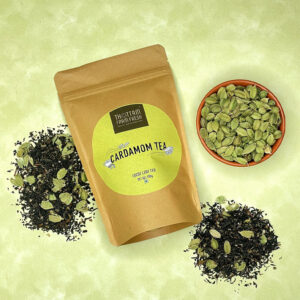
The Fix: Learn the industry standards. For instance, our Alleppey Bold 8mm Cardamom is the "King" of cardamom. The "8mm" refers to the diameter of the pod; the larger the pod, the more mature and oil-rich the seeds inside. When searching for Indian spices online, always look for specific grades like "Bold," "Extra Bold," or numerical sizes.

3. Buying Pre-Ground Spices in Large Quantities
We get it, convenience is king. A pre-ground Garam Masala or Turmeric powder saves time. But if you're buying these in large 500g or 1kg pouches, you're making a major flavor error.
The Mistake: Once a spice is ground, its surface area increases exponentially, allowing essential oils to evaporate and the spice to oxidize. By the time you reach the bottom of a large bag of ground coriander, it likely tastes more like sawdust than a floral herb.
The Fix: Whenever possible, buy whole spices and grind them as needed. If you must buy powders, ensure the seller grinds them in small batches and uses high-barrier, airtight packaging. At Thottam Farm Fresh, we focus on small-batch curation to ensure the powder you receive was recently processed.
4. Falling for the "Cinnamon" Confusion
This is perhaps the most common mistake in the spice world. Most of what is sold as "Cinnamon" on major e-commerce sites is actually Cassia.
The Mistake: Cassia is a cheaper, harder bark that contains high levels of coumarin, which can be toxic to the liver if consumed in large amounts. It has a spicy, harsh flavor compared to the delicate, sweet complexity of "True Cinnamon."
The Fix: Specifically search for Ceylon Cinnamon. True Ceylon Cinnamon (H1 Grade) is sourced from Sri Lanka and consists of thin, parchment-like layers rolled into a quill. We provide a Certificate of Origin with our Ceylon Cinnamon to guarantee you are getting the real deal, not a commercial imitation.

5. Overlooking the "Harvest Date" and Origin
A spice's journey matters. If a spice has been sitting in a distributor's warehouse for two years before reaching an online fulfillment center, it has lost its soul.
The Mistake: Buying spices without knowing where they were grown or when they were harvested. Industrial spice brands often blend crops from multiple countries to keep prices stable, resulting in a muddy, inconsistent flavor.
The Fix: Look for "Farm-to-Table" or "Direct-from-Source" labels. The Malabar Coast of Kerala is world-renowned for the best black pepper and cardamom. When you buy from a source like Thottam Farm Fresh, you are buying spices sourced directly from these heritage-rich regions, often from the most recent harvest season. This ensures maximum potency and a clear traceability path.

6. Trusting Clear Plastic Packaging
It looks beautiful on your kitchen shelf to see all those colors in clear jars or plastic bags, but light is the enemy of flavor.
The Mistake: Buying spices packaged in clear, thin plastic bags that have been sitting under bright warehouse lights. UV rays break down the chemical compounds that give spices their aroma and medicinal properties.
The Fix: Premium Indian spices online should be packaged in opaque, resealable, or light-blocking bags. If your spices arrive in clear plastic, transfer them immediately to dark glass jars or store them in a dark cupboard. Our packaging is designed to protect the integrity of the product from the moment it leaves our farm in Kerala until it reaches your doorstep.
7. Failing the "Sensory Audit" Upon Arrival
Many shoppers simply pour their new spices into a jar without a second thought. This is the final mistake.
The Mistake: Not "testing" the product. If your black pepper doesn't make you sneeze slightly when freshly cracked, or if your turmeric doesn't stain your finger a vibrant orange-yellow with a distinct earthy scent, it’s likely old or low-grade.
The Fix: Perform a quick sensory check.
- The Smell Test: Premium spices should have a sharp, distinct aroma the moment you open the seal.
- The Visual Test: Look for uniform color and the absence of "dust" or small stones (which indicate poor cleaning processes).
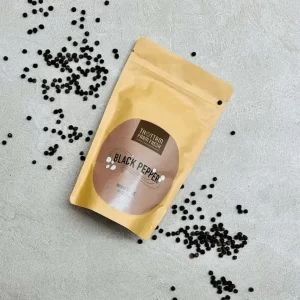
- The Texture Test: Whole peppercorns should be heavy and glossy, like our Tellicherry Black Pepper, indicating they are full of essential oils.
Why the Source Matters
Buying Indian spices online shouldn't feel like a gamble. When you choose a specialized source like Thottam Farm Fresh, you aren't just buying an ingredient; you're supporting a system that values the farmer, the soil, and the end-user’s health.
Our commitment to 100% natural, pesticide-free, and unadulterated products means that when you open a jar of our Malabar pepper or Alleppey cardamom, you are smelling the actual hills of Kerala. We eliminate the middlemen, ensuring that the "freshness" isn't just a marketing buzzword, but a culinary reality.
Ready to fix your spice rack?
Don't settle for "supermarket grade" when you can have "farm-fresh grade." Explore our curated selection of authentic Indian spices and experience the difference that purity makes in every pinch.
FAQ: Buying Indian Spices Online
Q: Is it safe to buy spice powders online?
A: Yes, provided you buy from reputable brands that mention "small-batch" processing and "unadulterated" standards. Avoid unbranded, loose powders from unknown sellers.
Q: How can I tell if my turmeric is pure?
A: A simple home test: Add a teaspoon of turmeric to a glass of warm water. Do not stir. If the turmeric settles at the bottom and the water remains relatively clear, it is likely pure. If the water becomes cloudy or dark yellow, it may contain added colors or fillers.
Q: Why is Kerala spice considered the best?
A: The unique climate of the Malabar Coast: high humidity, heavy rainfall, and rich forest soil: provides the perfect environment for spices like pepper and cardamom to develop high concentrations of essential oils (piperine in pepper and cineole in cardamom).