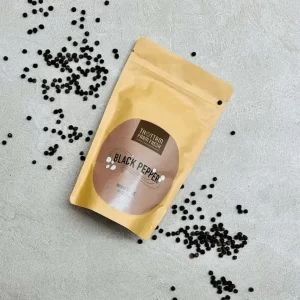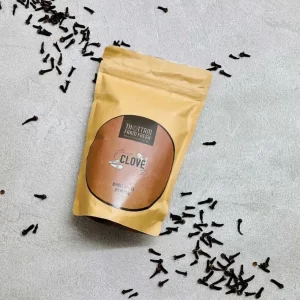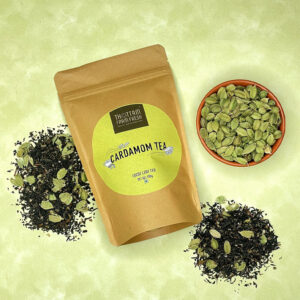
Have you ever opened a jar of store-bought black pepper, expecting a sharp, nasal-tingling kick, only to be met with a faint, dusty aroma that reminds you more of a dry attic than a tropical spice garden? If you’ve felt that disappointment, you’re not alone. Most of us have been conditioned to accept "average" spices because they are convenient. They sit in neat rows on grocery store shelves, packaged in familiar plastic bottles, promising flavor but often delivering a shadow of what a spice should actually be.
The truth is, there is a world of difference between a spice that has been sitting in a global supply chain for two years and one that was harvested, dried, and packed just weeks ago in the hills of Wayanad or Idukki. When you decide to buy spices online, you are faced with a choice: do you stick with the big-name grocery brands, or do you go farm-direct?
In this guide, I’m going to break down why that choice matters, not just for your cooking, but for your health, your wallet, and the farmers who grow these "bottled treasures."
The Grocery Store Illusion: Why Convenience Costs You Flavor
When you pick up a tin of turmeric or a bag of cardamom at a local supermarket, you are seeing the end of a very long, very complicated journey. Massive grocery store brands operate on a scale that prioritizes shelf-life and price consistency over aromatic potency.
The Problem of the "Middleman"
In the traditional spice trade, a single peppercorn might pass through five or six hands before it reaches you. It goes from the farmer to a local collector, then to a regional auction, then to a massive exporter, then to a national distributor, and finally to the grocery chain’s warehouse.
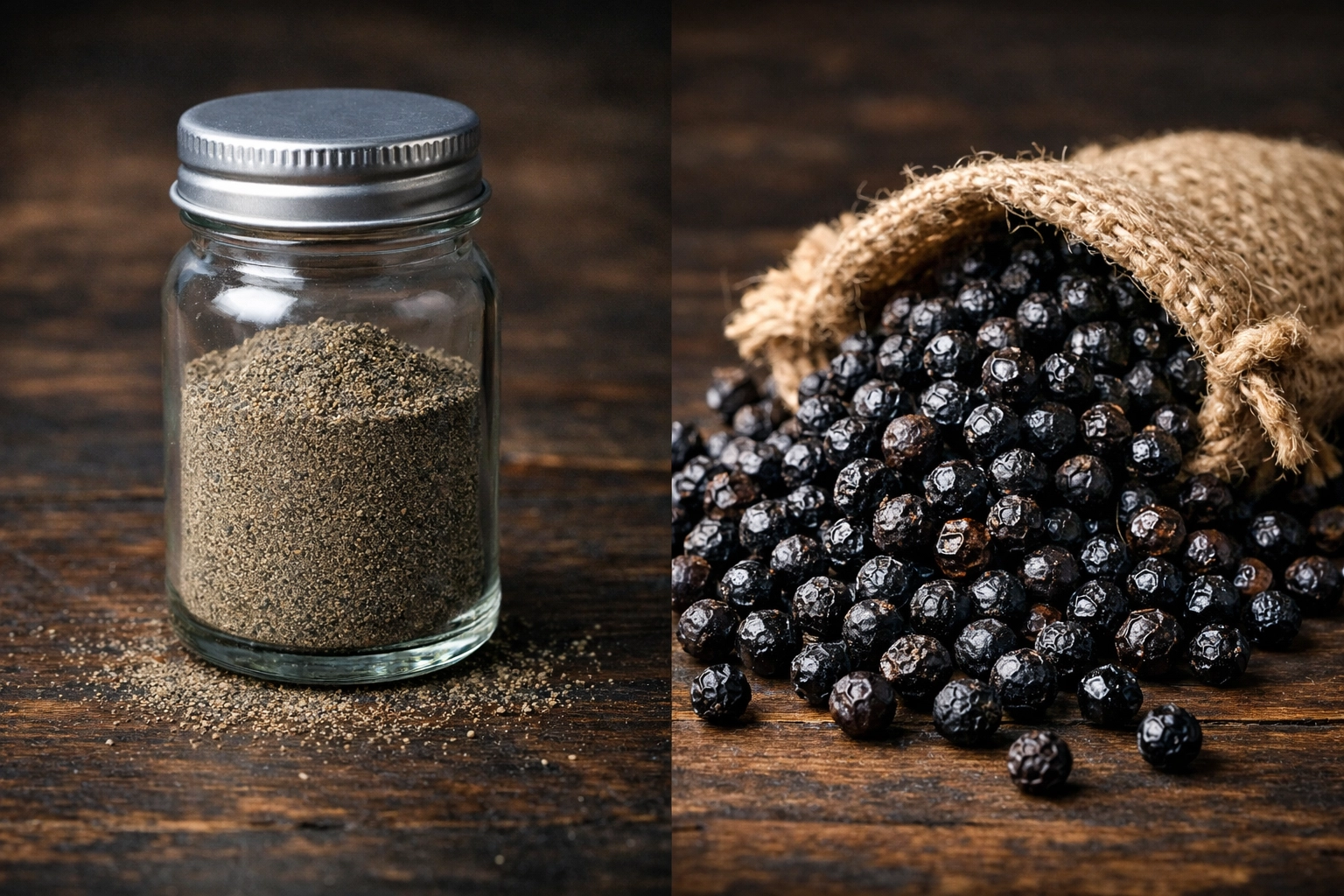
Each stop adds time. By the time that spice is bottled, it might already be a year old. By the time you buy it, it could be two. Spices contain volatile essential oils, that’s where the flavor and the health benefits live. These oils evaporate over time. This is why grocery store spices often look dull and greyish rather than vibrant and oily.
Bulk Processing vs. Artisan Selection
Large-scale brands often mix spices from various regions to maintain a "standard" flavor profile. This means your "Kerala pepper" might actually be a blend of peppers from different countries, chosen because they were cheap at the time of purchase. When spices are processed in massive industrial grinders, the heat generated can further degrade the delicate oils, leaving you with a product that is "safe" but lacks soul.
The Farm-Direct Revolution: From the Soil to Your Soul
At Thottam Farm Fresh, we believe that the best way to experience a spice is to shorten the distance between the farm and your kitchen. "Farm-direct" isn't just a marketing buzzword; it’s a commitment to quality control that simply isn't possible in a mass-market model.
When you choose a farm-direct platform, you are often buying from people who actually know the farmers, or are the farmers themselves. This model ensures:
- Traceability: You know exactly where your Tellicherry Black Pepper came from.
- Freshness: The time from harvest to packaging is weeks, not years.
- Potency: Because the spices aren't sitting in hot warehouses for months, they retain their natural oils and medicinal properties.
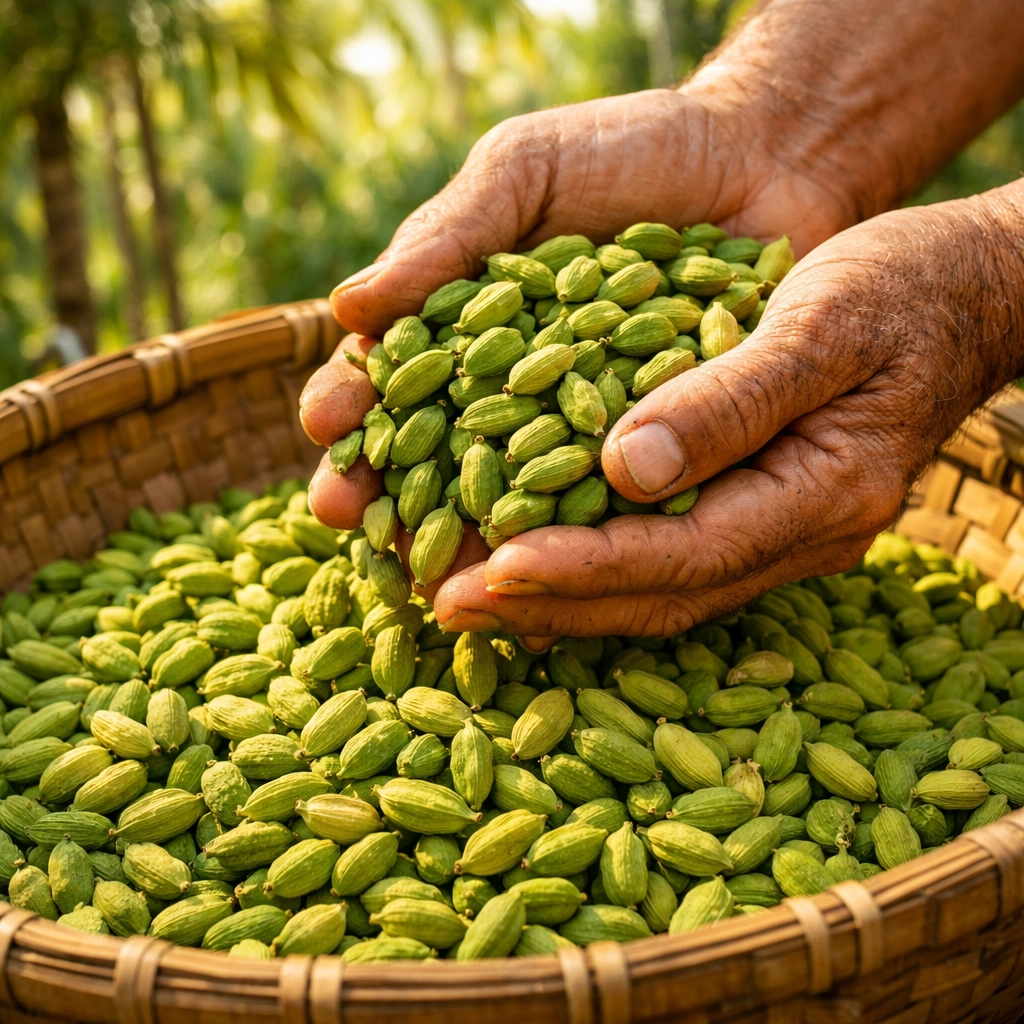
How to Evaluate Quality: A Sensory Guide
Choosing the best Kerala spices online requires a bit of detective work. Since you can't smell the product through your screen, you have to look for specific indicators of quality.
1. Purity and Grades
Did you know that black pepper has grades? The "King of Spices," Tellicherry pepper, is graded by size. The larger the berry, the more complex the flavor. Most grocery brands sell "Standard" or "FAQ" (Fair Average Quality) grade, which consists of smaller, less mature berries. When shopping online, look for sellers who specify grades like "Bold" or "Extra Bold."
2. The Color Test
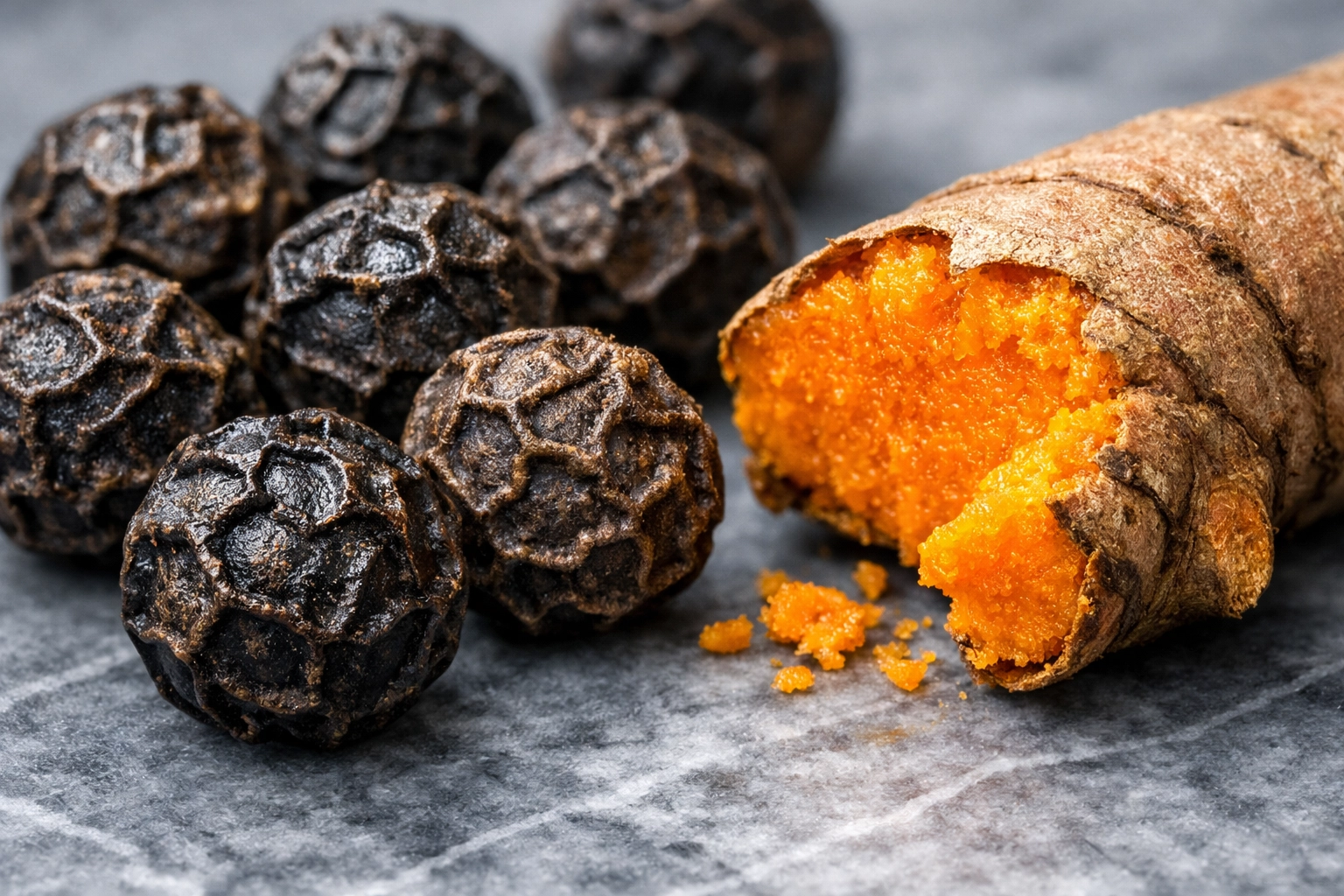
Natural spices have a depth of color that is hard to fake. Authentic Kerala turmeric should be a deep, earthy orange, indicating high curcumin content. Kashmiri Saffron should be a dark crimson, not bright red (which can signal artificial dyes).
3. Transparency in Processing
A reputable seller will tell you how their spices are handled. For example, our dried ginger is processed with care to ensure it retains its zesty warmth. If a website doesn't mention their processing or sourcing methods, they are likely just repackaging bulk-bought, low-grade spices.
The Hidden Health Benefits: Why "Fresh" Matters More Than You Think
We often think of spices as flavor enhancers, but in the world of Ayurveda and traditional medicine, they are powerhouses of health. However, these benefits are tied directly to the quality of the spice.
- Cardamom: The "Queen of Spices" is famous for digestive health. However, if the pods are old and shriveled, the essential oils that help soothe your stomach have likely vanished. High-quality cardamom should be plump and green, with a fragrance that hits you the moment you open the bag.
- Turmeric: The active compound, curcumin, is what provides anti-inflammatory benefits. Grocery store turmeric often has low curcumin levels because it is grown for volume, not value. Farm-fresh turmeric is processed to keep those curcumin levels intact.
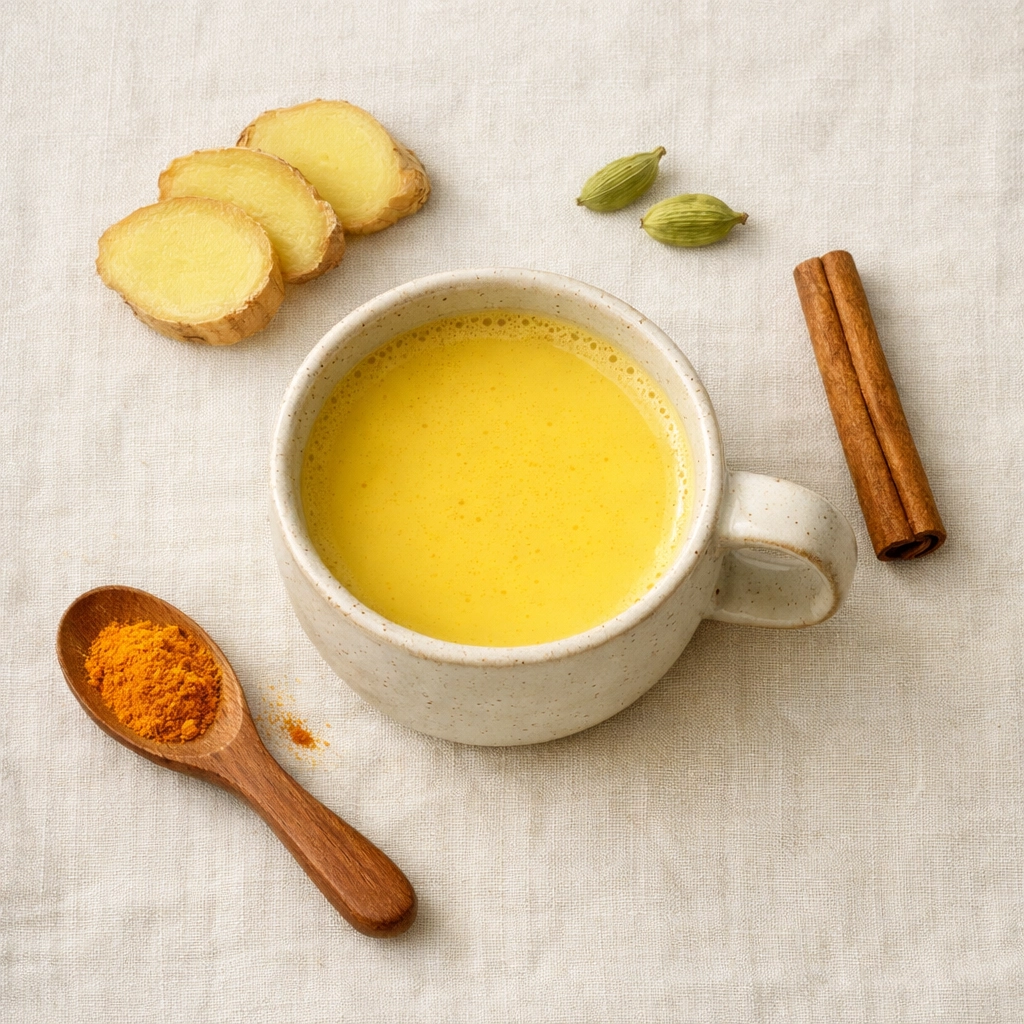
- Ginger: Freshly dried ginger is a "warrior" against colds and nausea. When it’s old, it loses its "gingerol" content, leaving you with something that tastes like wood shavings.
Supporting the Ecosystem: Sustainable Sourcing
When you buy farm-direct, you aren't just getting better flavor; you’re supporting a more ethical food system. In the grocery store model, the farmer often gets the smallest slice of the pie. By cutting out the middlemen, farm-direct brands can pay farmers a fair price, which in turn allows them to invest in sustainable farming practices.
In Kerala, spice farming is a heritage. It’s about biodiversity and respecting the land. When you support Thottam Farm Fresh, you are helping preserve these traditional farming methods for the next generation.
How to Shop Smart: A Checklist for Your Next Order
Ready to upgrade your pantry? Before you hit "checkout" on any website, ask yourself these five questions:
- Do they have verified reviews? Look for customer feedback that mentions the aroma and flavor specifically.
- Is the origin clear? Does it say "Product of India" (vague) or "Sourced from Idukki, Kerala" (specific)?
- What is the packaging? Spices should be in air-tight, moisture-proof packaging. If they ship in flimsy plastic bags, the quality will degrade before it reaches your door.
- Is there a purity guarantee? Check if they mention testing for adulterants or heavy metals.
- Do they offer variety? A specialist in Kerala spices will offer unique items like Mabroom Dates or Wild Honey, showing a deep connection to the regional produce.
The Bottom Line
Choosing between farm-direct and grocery store brands is really a choice between convenience and quality. Yes, grabbing a jar at the supermarket is easy. But the moment you crack open a bag of farm-fresh Kerala pepper or drop a pod of bright green cardamom into your morning tea, you’ll realize that the "convenience" of the grocery store was actually costing you the soul of your food.
Spices are the heartbeat of a kitchen. They have the power to transport you to the misty hills of the Western Ghats with a single scent. Don’t settle for the "grey" version of history: choose the vibrant, robust, and authentic experience of farm-direct spices. Your taste buds (and your health) will thank you.
If you're ready to taste the difference, why not start with the basics? Explore our category of spices and see what real Kerala quality looks like. From the "King" to the "Queen," we’ve got your pantry covered.