Have you ever wondered why the black pepper in your pantry sometimes lacks that signature "sting"? Or why some almonds look unnaturally shiny, while others have a humble, matte finish?
In the world of specialty foods, there is a vast difference between "commercial grade" and "farm fresh." At Thottam Farm Fresh, we believe that the journey from the soil of the Malabar Coast to your kitchen pantry should be transparent, honest, and untouched by unnecessary processing.
To help you become a true connoisseur of quality, we’re pulling back the curtain. Here are 31 secrets about premium spices and dry fruits that the industry doesn’t always want you to know.
The Secrets of Sourcing and Origin
1. The "Malabar" Magic is Real
The Western Ghats of Kerala provide a unique microclimate: high humidity and rich, acidic soil: that produces spices with significantly higher essential oil content than those grown elsewhere.
2. Direct-from-Farm is the Only Way to Ensure Purity
When spices pass through multiple middlemen, the risk of "bulking" (mixing high-quality batches with low-quality ones) increases. Sourcing directly from farms ensures the batch you get is exactly what the farmer harvested.
3. "Small-Batch" Isn't Just a Buzzword
Large-scale industrial processing often uses high heat which evaporates the volatile oils. Small-batch curation preserves the aroma and medicinal properties of the spice.
4. The Secret of "Single-Origin"
Just like coffee, spices have "terroir." A single-origin spice carries the specific flavor profile of its region, rather than a muddy, generic taste from blended sources.
5. Altitude Matters for Cardamom
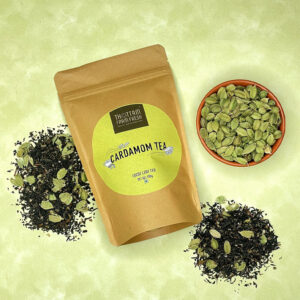
The best Cardamom (often called the Queen of Spices) is grown at specific altitudes in the Alleppey region. Higher altitudes generally lead to denser, more aromatic pods.
6. The Truth About Tellicherry Pepper
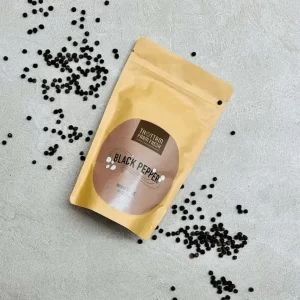
Did you know "Tellicherry" isn't a place of origin anymore, but a grade of size? Only the largest 10% of peppercorns: those with the most complex flavor: earn the Tellicherry Black Pepper title.
Identifying Quality Like a Pro
7. Look for the "H1" Grade in Cinnamon
If you want the real deal, look for H1 Grade Ceylon Cinnamon. It is the highest quality of "true" cinnamon, characterized by its thin, wafer-like layers and sweet, delicate flavor.
8. The "Cassia" Deception
Most "cinnamon" sold in supermarkets is actually Cassia: a cheaper, harder bark that contains high levels of coumarin, which can be harmful in large doses. True Ceylon Cinnamon is soft enough to be crushed by hand.
9. Real Vanilla isn't Clear
If your vanilla extract or beans lack those tiny black specks or a deep amber hue, you’re likely using synthetic vanillin made from wood pulp or coal tar.
10. The Saffron "Water Test"
Real Kashmiri Saffron will turn water a golden-yellow slowly. If the water turns red immediately, it’s dyed corn silk or low-grade threads.
11. Why "Unpolished" is Better
Many dry fruits are polished with mineral oil or paraffin wax to give them a commercial shine. Premium, natural dry fruits have a natural matte finish and are far healthier for you.
12. The Weight of a Peppercorn
High-quality black pepper is heavy. If you drop a handful of peppercorns into water, the good ones should sink. The "floaters" are hollow and lack the piperine punch.
13. Cardamom Color Myths
Super-bright green cardamom is often dyed. Natural, premium cardamom has a slightly muted, dusty green hue that indicates it was shade-dried properly.
14. Cashew Sizing (W180 vs W320)
The number in cashew grading (like W180) refers to how many kernels make up a pound. The lower the number, the larger and more "premium" the cashew.
Health and Purity Secrets
15. Pesticide-Free is a Choice
Many commercial spices are heavily fumigated to survive long storage. Seeking out pesticide-free spices is essential for long-term wellness.
16. The Curcumin Secret in Turmeric
The health benefits of turmeric come from Curcumin. Standard store-bought turmeric often has 2-3% curcumin, while premium Alleppey turmeric can boast 5% or more.
17. Honey Should Never be Perfectly Clear
Ultra-filtered honey removes the beneficial pollen. Wild Forest Honey is naturally cloudy and may crystallize over time: a sign of its raw, unprocessed nature.
18. Walnuts and Brain Health
The high Omega-3 content in Walnuts is volatile. If they taste bitter or "soapy," the oils have gone rancid. Premium walnuts should taste mild and buttery.
19. Cloves Should Float Vertically
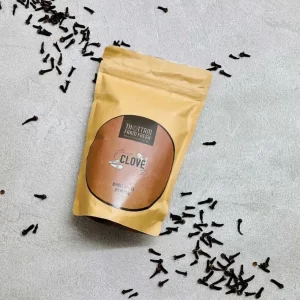
A high-quality clove rich in oil will float vertically in water with the head pointing up. If it sinks or floats horizontally, the oil has likely been extracted.
20. Dates are Nature’s Multivitamin
Premium varieties like Medjoul or Sagai Dates are packed with fiber, potassium, and magnesium. They should be plump and moist, not dry and sugary-coated.
Processing and Storage Hacks
21. Shade-Drying vs. Sun-Drying
While sun-drying is traditional, shade-drying spices like ginger and cardamom helps retain more of the essential oils that give them their medicinal power.
22. Grinding Changes Everything
Once a spice is powdered, its surface area increases, and it loses flavor rapidly. Buying whole spices and grinding them fresh is the single biggest "secret" to professional-level cooking.
23. Glass over Plastic
Spices contain volatile oils that can actually "leach" chemicals from plastic containers. Always store your premium stash in airtight glass jars.
24. The Freezer Trick for Nuts
Nuts have high oil content and can go rancid in warm climates. Keep your Almonds and Walnuts in the fridge or freezer to keep them crisp for months.
25. Heat is the Enemy
Storing spices above your stove might be convenient, but the constant heat kills the flavor. A cool, dark pantry is the only place for a serious spice collection.
26. Why We Don't Use Anti-Caking Agents
Ever notice how some spice powders never clump? That’s usually due to added silicates. Our Spice Powders are 100% pure, meaning they might need a little shake: and that’s a good thing!
Culinary and Gifting Secrets
27. The "Blooming" Technique
To unlock the full potential of your spices, "bloom" them in hot oil or ghee for 30 seconds before adding other ingredients.
28. Masala Tea is an Art Form
Standard tea bags often use "dust" grade tea. A premium Masala Tea uses whole spices and high-quality CTC tea leaves for a robust, spicy kick.
29. The Gift of Health
In many cultures, gifting spices is a wish for prosperity and health. A curated Spice Gift Box is more than just a kitchen addition; it's a heritage experience.
30. Salt Enhances, Spices Define
While salt makes food taste "more like itself," spices are what give a dish its soul and identity. Don't skimp on the quality of the "soul" of your food.
31. Trust Your Senses
The ultimate secret? Your nose knows. If a spice doesn't hit you with a robust aroma the moment you open the jar, it’s past its prime. Premium spices should be an olfactory explosion.
Conclusion
Quality is never an accident; it is the result of high intention, sincere effort, and skillful execution. At Thottam Farm Fresh, we are proud to be the bridge between the hardworking farmers of Kerala and your family’s table.
By choosing authentic, farm-direct ingredients, you aren't just improving your recipes: you're supporting a sustainable ecosystem and nourishing your body with the very best that nature has to offer.
Ready to taste the difference? Explore our farm-fresh collection today.