Have you ever followed a recipe to the letter: using the exact measurements of cumin, coriander, and chili: only to find the final dish tasting a bit… flat? You’re not alone. It’s one of the most frustrating experiences for any home cook. You’ve done the work, but that vibrant, restaurant-quality aroma just isn’t there.
The truth is, cooking with spices is as much about how you handle them as it is about which ones you buy. Most of us are inadvertently sabotaging our flavors before the pan even gets hot. From the way we store our jars to the moment we add them to the pot, there are a few common pitfalls that can turn a "powerhouse" ingredient into a "muted" disappointment.
At Thottam Farm Fresh, we believe that the journey from the farm to your table should be as short as possible to preserve the "soul" of the spice. But once those spices arrive at your kitchen, the rest is up to you!
Let’s dive into the most common spice mistakes and, more importantly, how you can fix them today.
1. The "Pre-Ground" Trap: Dust vs. Dynamite
We get it. Pre-ground spices are convenient. But here’s the clinical truth: once a spice is ground, its surface area increases exponentially, allowing the volatile oils: the very things that provide flavor and health benefits: to evaporate into the air.
If your ground black pepper has been sitting in a shaker for six months, you’re essentially seasoning your food with "spice dust."
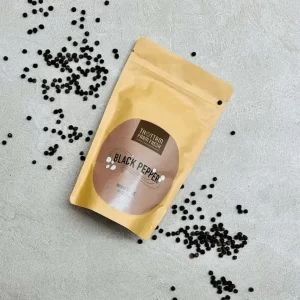
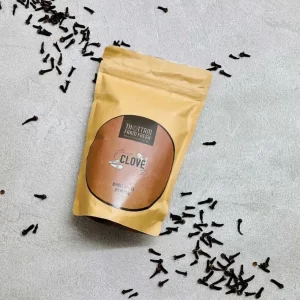
The Fix: Whenever possible, buy whole spices online and grind them as needed. Investing in a simple mortar and pestle or a dedicated spice grinder will change your culinary life. Whole peppercorns, cardamom pods, and cloves can stay potent for a year or more, whereas ground versions lose their "punch" in just a few months.
2. Storing Spices in the "Danger Zone"
Where are your spices right now? If they are in a beautiful rack right above your stove or on a sunny windowsill, you’re making a classic storage mistake.
Spices have three main enemies: Heat, Light, and Moisture.
- Heat from the stove "cooks" the oils inside the jar.
- Light bleaches the color and degrades the antioxidants.
- Moisture from steam can cause clumping and even mold.

The Fix: Store your spices in a cool, dark cupboard away from the oven. Use airtight glass containers: ideally dark amber glass: to block out UV rays. If you see a spice that has turned greyish or lost its vibrant hue, it’s a sign that the flavor has left the building.
3. Skipping the "Blooming" Process
Are you adding your ground spices directly into a simmering sauce or a pot of water? If so, you’re missing out on a massive layer of flavor.
Most spice flavor compounds are fat-soluble, meaning they need oil or butter to truly "open up." In Indian cooking, this technique is called tadka or "blooming."

The Fix: Before adding your liquid ingredients (like tomatoes, broth, or coconut milk), sauté your whole or ground spices in a little bit of warm oil or ghee for 30–60 seconds. You’ll know it’s working when the kitchen suddenly smells like a fragrant spice market. Just be careful: spices like turmeric or chili powder can burn quickly, so keep the heat moderate!
4. The "Identity Crisis": Cassia vs. Ceylon Cinnamon
Did you know that most "Cinnamon" sold in supermarkets isn't actually "true" cinnamon? It’s usually Cassia, which is thicker, harder, and contains high levels of coumarin (which can be hard on the liver in large amounts).
If you’ve been using Cassia, you might find the flavor harsh or woody rather than sweet and delicate.

The Fix: Look for H1 Grade Ceylon Cinnamon. It’s often called "Sweet Cinnamon" because of its delicate, citrusy notes and thin, cigar-like layers. It’s the "gold standard" for wellness enthusiasts and bakers alike. At Thottam Farm Fresh, we provide a Certificate of Origin from Sri Lanka to guarantee you’re getting the real deal.
5. Buying "Mystery" Spices from the Middleman
The spices you find on the bottom shelf of a big-box grocery store have often spent months (or years!) in warehouses and shipping containers. By the time they reach you, they are old, tired, and sometimes adulterated with fillers to keep the price low.
Even worse, many mass-market spices are treated with heavy pesticides to ensure a long shelf life.
The Fix: Switch to pesticide-free spices online sourced directly from the source. When you buy from a farm-direct brand like ours, you’re getting spices that were recently harvested and curated in small batches.

Whether it’s our Tellicherry Black Pepper or our Alleppey Bold Cardamom, the difference is in the "vibrancy." You’ll find you need to use less spice to achieve a bigger flavor because the essential oils are still intact.
6. The "Salt vs. Spice" Confusion
A common mistake is trying to fix a "bland" dish by adding more and more spices. But spices provide aroma, while salt provides flavor.
If your dish has plenty of spice but still feels "hollow," it’s likely under-salted. Salt is the magnifying glass that makes the spices "pop." Without it, even the best Kerala spices will taste muted.
The Fix: Season in layers. Add a pinch of salt at the beginning, middle, and end of cooking. If the dish still feels flat after seasoning with salt, try adding a splash of acid (like lemon juice or vinegar). Acid cuts through fat and brightens the spices, making them taste "fresher."
Time for a Spice Cabinet Audit?
Your kitchen should be a place of discovery and robust aromas, not a graveyard for old, dusty jars. If you can’t remember when you bought that tin of paprika, it’s probably time for an upgrade.
Why settle for "okay" when you can have "extraordinary"? By fixing these simple mistakes: choosing whole over ground, storing properly, and sourcing directly from the farm: you’ll transform your cooking from a chore into a heritage-rich experience.
Ready to refresh your pantry? Explore our collection of authentic Kerala spices and taste the difference that "farm-fresh" really makes.