There is something undeniably satisfying about opening a jar of spices and being greeted by a scent so potent it instantly transports you to a sun-drenched plantation in the Malabar hills. But let’s be honest: how often does that actually happen when you buy spices online?
For many of us, the convenience of digital shopping often comes at the cost of quality. You click "order," wait a few days, and receive a dusty packet of "ground cinnamon" that smells more like cardboard than a tropical spice. If you’ve ever felt disappointed by the dull colors and flat flavors of your online spice hauls, you aren’t alone.
At Thottam Farm Fresh, we believe that spices are the soul of your kitchen. They shouldn't just be "ingredients"; they should be experiences. Whether you are a seasoned home cook or a wellness enthusiast, the quality of your spices determines the health and flavor of your meals.
To help you avoid the "bland spice trap," we’ve rounded up the seven most common mistakes people make when they buy spices online: and exactly how you can fix them to ensure your pantry is always stocked with the world’s finest.
1. Prioritizing the "Lowest Price" Over Purity
We all love a good deal. However, in the world of spices, a "bargain" is often a red flag. When you see bulk spices at prices that seem too good to be true, they usually are.
The Mistake: Choosing the cheapest option often leads to buying spices that have been "extended" with fillers. This can range from starch and flour in turmeric to papaya seeds mixed into black pepper. Even worse, low-grade spices are often treated with artificial colors to make them look "fresh."
The Fix: Look for transparency. Pure, authentic Kerala spices online might cost a few rupees more, but they are far more potent. Because they are undiluted, you actually use less to achieve a better flavor, making them more economical in the long run. Always check if the brand mentions "100% natural" and "unadulterated."
2. Ignoring the "Origin" of the Spice
Would you buy a fine wine without checking the vineyard? Spices are no different. The soil, climate, and altitude of where a spice is grown drastically change its chemical composition and flavor profile.
The Mistake: Buying "Black Pepper" or "Cinnamon" without knowing where it comes from. Most mass-market online sellers source from various unknown locations and blend them, resulting in a muddy, inconsistent flavor.
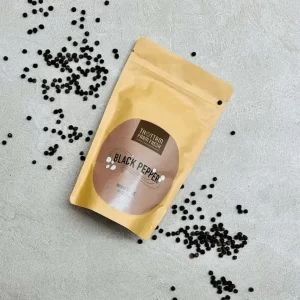
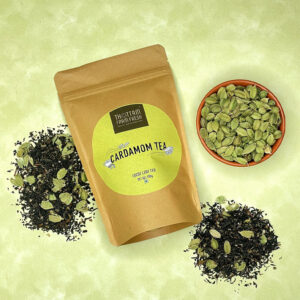
The Fix: Seek out "Single Origin" or "Farm-Direct" labels. For example, Black Pepper from the Malabar coast is world-renowned for its piperine content and heat. Similarly, if you are looking for cardamom, the "Alleppey Bold" variety is the gold standard. When you know the origin, you know the quality.

3. Buying Pre-Ground Powder Instead of Whole Spices
This is perhaps the most common mistake of all. While spice powders are convenient, they are the "ticking clocks" of the culinary world.
The Mistake: As soon as a spice is ground, its surface area increases, and its essential oils: the source of flavor and health benefits: begin to evaporate. By the time that pre-ground cumin reaches your door, it may have already lost 50% of its potency.
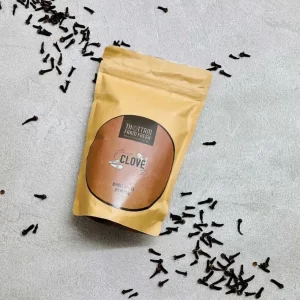
The Fix: Whenever possible, whole spices online buy India is the way to go. Whole peppercorns, cloves, and cardamom pods protect their essential oils inside their husks. Grind them fresh in a mortar and pestle or a small grinder right before you cook. The difference in aroma is night and day.
4. Falling for the "Cinnamon" Confusion
Did you know that most of the "cinnamon" sold online isn't actually true cinnamon? It’s likely Cassia, a cheaper, tougher relative that contains high levels of coumarin, which can be harmful to the liver in large doses.
The Mistake: Buying generic cinnamon sticks that are thick, hard, and dark brown. These are Cassia. They have a harsh, spicy bite rather than the delicate sweetness of the real deal.
The Fix: Look specifically for Ceylon Cinnamon (H1 Grade). Authentic Ceylon Cinnamon is harvested from the inner bark of the Cinnamomum verum tree, primarily in Sri Lanka. It is pale tan, made of thin, cigar-like layers, and is famously low in coumarin. At Thottam Farm Fresh, we provide a Certificate of Origin to guarantee our Ceylon Cinnamon is 100% authentic.

5. Not Checking for Quality "Grades"
In the spice trade, size and grade matter. Yet, most online shoppers don't realize that spices are graded based on their physical properties and oil content.
The Mistake: Assuming all cardamom or cloves are equal. A small, shriveled cardamom pod won't have the same floral punch as a large, 8mm "Bold" pod.
The Fix: Look for specific grading terminology. If you are looking for the best, search for terms like "Alleppey Bold" for cardamom or "H1" for Ceylon cinnamon. These grades aren't just for show; they indicate a premium product with higher essential oil content. Check out our guide on interesting things about Elaichi to learn more about how grades affect your tea and cooking.
6. Overlooking the "Natural" vs. "Processed" Distinction
Many commercial spices undergo heavy processing, including steam sterilization or even irradiation, to increase shelf life. While this makes them "safe" for long-term storage in warehouses, it can kill the very antioxidants you are looking for.
The Mistake: Not checking if your spices are pesticide-free or 100% natural. Mass-produced spices often come from farms that use heavy chemical fertilizers to boost yield.
The Fix: Choose brands that prioritize "Direct-from-Farm" sourcing. This usually means the spices are handled in smaller batches and haven't been sitting in a third-party warehouse for years. Our commitment at Thottam Farm Fresh is to bring you pesticide-free and unadulterated products that retain their natural medicinal properties.

7. Buying in Massive Bulk (Without a Plan)
We've all done it: bought a 1kg bag of turmeric because it was a "great deal," only to have half of it lose its color and scent in the back of the pantry.
The Mistake: Buying more than you can use within 6-12 months. Spices don't necessarily "spoil" in a way that makes you sick, but they do become "dead." Dead spices add bulk to your food without adding any flavor or nutrition.
The Fix: Buy in smaller, more frequent batches. If you are buying online, choose a supplier that offers smaller, airtight packaging. At Thottam Farm Fresh, we focus on freshness, ensuring that the spices you receive were recently harvested and packed. This way, you get the maximum "life" out of every gram.
The Thottam Difference: Why Sourcing Matters
When you buy spices online, you aren't just clicking a button; you are making a choice about what goes into your body and your family’s meals.
We started Thottam Farm Fresh with a simple mission: to close the gap between the farmer and the consumer. By sourcing directly from our own farms and trusted partners across the Malabar coast and Sri Lanka, we eliminate the middlemen who often compromise quality for profit.
From our wild forest honey to our H1 grade cinnamon, every product is a testament to the purity of nature. We don't use fillers, we don't use artificial colors, and we never compromise on the "soul" of the spice.
Ready to fix your spice cabinet?
Don’t settle for dusty, generic powders. Experience the robust aroma and vibrant colors of spices that are actually fresh.
Explore the Thottam Farm Fresh Collection Here