Have you ever opened a jar of store-bought turmeric only to find it lacks that earthy, pungent kick? Or perhaps your black pepper tastes more like dust than the "King of Spices"? If you’ve felt that your home-cooked meals are missing a certain je ne sais quoi, the secret isn't your cooking skills: it's likely the age and quality of your ingredients.
For centuries, the world has looked toward India’s Malabar coast for the finest flavors on Earth. But in the modern age of mass production, much of that heritage has been lost in long supply chains and warehouse storage. When you decide to buy spices online, you aren't just shopping for a kitchen staple; you’re making a choice about the health, aroma, and soul of your food.
To help you navigate the world of premium flavor, we’ve compiled 31 secrets that separate ordinary supermarket finds from true, farm-fresh excellence.
The Power of Origin and Sourcing
1. The "Middleman" Tax on Flavor
Every time a spice changes hands: from farmer to trader to wholesaler to retailer: it sits in another warehouse. By the time it reaches you, it might be months (or years) old. Buying directly from farms like Thottam Farm Fresh ensures you bypass these "flavor-stealing" delays.
2. Kerala’s Unique Terroir
Just like wine, spices carry the signature of their soil. The Western Ghats in Kerala offer a perfect cocktail of rainfall, humidity, and mineral-rich soil that makes its black pepper and cardamom world-famous.
3. Small-Batch Curation Wins
Mass-market brands prioritize volume over quality. Small-batch curation means every pod and peppercorn is inspected, ensuring only the most robust specimens make it to your kitchen.
4. The Harvest Date Matters
Freshness isn't just about the "Best Before" date; it’s about the harvest date. Spices harvested in the current season contain significantly higher levels of volatile oils.
5. Single-Origin Traceability
When you know exactly which farm your Tellicherry Black Pepper comes from, you’re guaranteed a consistent flavor profile that hasn't been "diluted" by mixing different grades.

Visual and Sensory Secrets
6. The "Aroma Pop"
The moment you open a pack of authentic spices, the scent should fill the room. If you have to put your nose deep into the jar to smell anything, the volatile oils have already evaporated.
7. Color Isn't Always What It Seems
While vibrancy is a sign of freshness, beware of too much perfection. Some commercial brands use artificial colors. Real turmeric should be a deep, earthy orange; real chili, a rich, fiery red: not a fluorescent neon.
8. The Size of the Pod
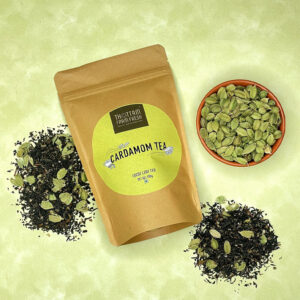
In the world of cardamom, size equals luxury. "Alleppey Bold" is the gold standard because larger pods contain more seeds and more essential oils.
9. The Sink Test for Pepper
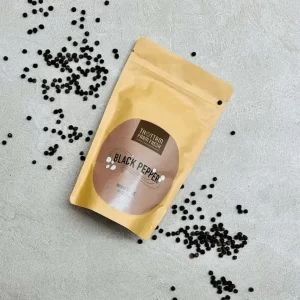
High-quality peppercorns are heavy and full of oil. If you drop a handful of black pepper into a glass of water, the high-quality ones will sink. Low-grade, hollow ones (often called "light berries") will float.
10. Layers in Cinnamon
Real Ceylon Cinnamon (the "True Cinnamon") has many thin, paper-like layers rolled together. If you see a single, thick, hard bark, you’re looking at Cassia: a cheaper, less healthy alternative.
Health and Purity Standards
11. The Pesticide-Free Advantage
Spices are concentrated. If they are grown with heavy pesticides, those chemicals are concentrated too. Choosing pesticide-free spices is a non-negotiable step for wellness enthusiasts.
12. H1 Grade: The Pinnacle of Cinnamon
When you search for cinnamon online India, look for "H1 Grade." It’s the highest quality of Ceylon cinnamon, ensuring the lowest levels of Coumarin (which can be toxic to the liver in high doses).
13. Curcumin Content
The medicinal value of turmeric lies in its Curcumin. Farm-fresh turmeric from Kerala often boasts a higher percentage than standard commercial powders, which are often "extracted" for their oils before being sold.
14. Bioavailability with Pepper
Piperine is the active compound in black pepper that helps your body absorb nutrients like Curcumin. When pepper is fresh and oily, its Piperine levels are at their peak.
15. Unadulterated Purity
Common adulterants in ground spices include sawdust, starch, and even lead chromate. Buying whole spices and grinding them yourself: or buying from a trusted farm-direct source: eliminates this risk.

Why Buying Online is a Game Changer
16. Freshness on Demand
When you buy spices online directly from the source, the product is often packed only after you place your order, keeping the "garden-fresh" quality intact until it reaches your door.
17. Access to Specialty Varieties
Local grocery stores rarely carry H1 Ceylon Cinnamon, Lakadong Turmeric, or Wild Forest Honey. The internet bridges the gap between remote Himalayan or Malabar farms and your pantry.
18. Digital Transparency
Reputable online sellers provide certificates of origin and detailed product stories that you’ll never find on a supermarket shelf.
19. Better Storage Conditions
Specialty spice e-commerce sites often store their stock in climate-controlled environments specifically designed for spices, unlike general retail warehouses.
20. Direct Feedback Loop
Buying online allows you to communicate directly with the brand. At Thottam Farm Fresh, we pride ourselves on being accessible to our customers, bringing the farmer and the cook closer together.
Storage and Culinary Secrets
21. Whole Spices Over Powders
Whole spices act like a natural "vault" for flavor. Once a spice is ground, its surface area increases, and it begins to lose its soul to the air. Always prefer whole spices when you can.
22. The "Tadka" Technique
To unlock the secrets of Indian spices, you must "bloom" them in hot oil or ghee. This releases fat-soluble aromas that water-based cooking simply can’t reach.
23. Light is the Enemy
Store your spices in a dark cupboard. UV light bleaches the color and kills the flavor compounds.
24. Heat is the Second Enemy
Never store your spice rack right above the stove. The constant heat-up and cool-down cycles cause the spices to lose their potency rapidly.
25. Airtight is Everything
Glass jars with tight seals are your best friends. Spices absorb odors from the kitchen and lose their own to the air if not sealed properly.

The "Wholesome" Connection
26. Real Honey Doesn't Expire
Authentic, unprocessed honey (like our Wild Honey) may crystallize over time, but it never spoils. If your honey stays perfectly liquid forever, it might be highly processed or adulterated with sugar syrup.
27. The Crunch of Fresh Nuts
When you buy Nuts and Dry Fruits, check for the "oil smell." If they smell slightly paint-like, the natural oils have gone rancid. Farm-fresh nuts should smell sweet and earthy.
28. Tea Needs Terroir Too
Whether it’s a robust Masala Tea or a delicate leaf, the freshness of the tea base determines how well the spice notes integrate.
29. Sustainable Sourcing
A "secret" benefit of buying from Thottam Farm Fresh is the ethical impact. Direct sourcing ensures farmers receive a fair price, which encourages them to maintain high-quality, sustainable farming practices.
30. The Gift of Quality
A Spice Gift Box is more than a present; it’s an invitation to a healthier, more flavorful lifestyle. It’s the secret to being the "favorite guest" at any housewarming.
31. Trust Your Palate
Ultimately, the biggest secret is your own taste. Once you’ve experienced the "pop" of a real Kerala peppercorn or the delicate warmth of H1 Ceylon cinnamon, you’ll never go back to "ordinary" again.
Why Choose Thottam Farm Fresh?
At Thottam Farm Fresh, we aren't just selling ingredients; we’re sharing the heritage of the Malabar coast. Our commitment to 100% natural, pesticide-free, and farm-direct products ensures that every time you buy spices online from us, you’re getting the absolute best that nature has to offer.
From our family farm to your kitchen, we bring you the purity you deserve. Ready to transform your cooking? Explore our collection of authentic spices today and taste the difference that "farm-fresh" really makes.