There is something undeniably satisfying about the click of a button and the arrival of a fragrant package at your doorstep. In the modern kitchen, the ability to buy spices online has revolutionized how we cook, opening up a world of exotic flavors that were once limited to high-end specialty markets or a trip to the Malabar coast.
But here is the truth: not every jar of turmeric or bag of peppercorns is created equal. When you can’t see, smell, or touch the product before it arrives, you are essentially trusting a digital image and a few lines of copy. Far too often, home cooks end up with stale, adulterated, or low-grade ingredients that lack the "soul" of authentic spices.
At Thottam Farm Fresh, we believe that spices are the heartbeat of a meal. Sourced directly from our own farms and trusted partners in Kerala and Sri Lanka, we see firsthand how quality can be compromised in the long journey from soil to shelf.
Are you getting the best out of your online spice shopping? Let’s dive into the seven most common mistakes you might be making and, more importantly, how to fix them.
1. Choosing Price Over Purity (The "Cheap" Trap)
It’s tempting to sort by "lowest price" when you buy spices online. We’ve all been there. However, spices are one of the most frequently adulterated food products in the world. To keep costs low, many mass-market brands use fillers like starch, sawdust, or even synthetic dyes to make their powders look more vibrant.
When you buy a "bargain" turmeric, you might be getting a product diluted with lead chromate for color or rice flour for bulk. Not only does this ruin the flavor, but it also strips away the health benefits: like the anti-inflammatory properties of curcumin: that you’re looking for.
The Fix: Look for the "100% Natural" and "Pesticide-Free" labels. Quality spices have a cost because ethical farming, manual harvesting, and purity testing aren't cheap. At Thottam Farm Fresh, our Indian spices are unadulterated and sourced directly from farms where we oversee the process. If the price seems too good to be true, it probably is.
2. Ignoring the "Origin" Story
Does your spice label simply say "Produced in India"? That’s like saying a wine is "Produced in Europe." It tells you almost nothing about the terroir, the climate, or the specific variety of the plant.
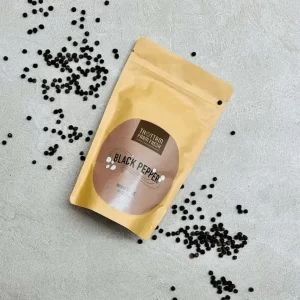
Spices are like coffee or wine; their flavor profile is deeply tied to where they grow. For example, black pepper from the Wayanad region of Kerala is world-renowned for its bold, biting heat and citrusy undertones, while generic pepper often tastes like dusty cardboard.

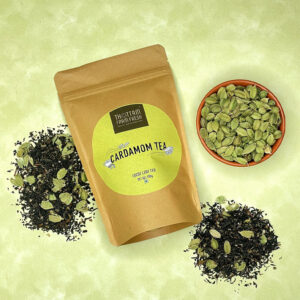
The Fix: Demand transparency. A reputable seller will tell you exactly where their spices come from. Look for specific regions like Alleppey for cardamom or the Malabar coast for black pepper. Knowing the origin ensures you are getting the authentic flavor profile that has made these regions famous for centuries.
3. Buying Pre-Ground Only
We get it: convenience is king. But once a spice is ground, its surface area increases drastically, allowing the essential oils (where all the flavor and health benefits live) to evaporate. A pre-ground bottle sitting in a warehouse for six months will have lost a significant portion of its potency by the time it reaches your kitchen.
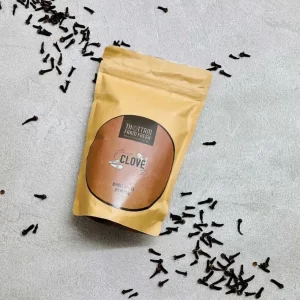
The Fix: Whenever possible, buy whole spices. Whole peppercorns, cloves, and cardamom pods can stay fresh for up to two years. Invest in a small mortar and pestle or a dedicated spice grinder. If you must buy powder, ensure it is from a seller that grinds in small batches and uses airtight packaging. You can find our freshly ground powdered spices online which are processed only in small quantities to maintain that "just-ground" aroma.
4. Overlooking the Grade (The Cinnamon Confusion)
One of the most common mistakes people make when they buy spices online is not knowing the difference between Cassia and "True" Cinnamon. Most grocery store cinnamon is actually Cassia: thick-barked, spicy, and high in coumarin (which can be harmful in large doses).
True Ceylon Cinnamon is delicate, sweet, and complex. But even within Ceylon Cinnamon, there are grades. Many online sellers don't disclose the grade, selling you "M" or "H" grade when you could be having the premium stuff.

The Fix: Look for "H1 Grade" Ceylon Cinnamon. This is the gold standard: it’s the thinnest, most delicate bark with the highest concentration of oils. At Thottam Farm Fresh, we provide a Certificate of Origin for our Sri Lankan H1 Ceylon Cinnamon to guarantee you aren't getting a commercial imitation.
5. Buying in Bulk Without a Plan
It’s tempting to buy a 1kg bag of cumin because the unit price is lower. But unless you are running a restaurant or cooking for a large family every single day, that cumin will go stale long before you finish it. Light, heat, and oxygen are the enemies of spices. Over time, that vibrant green cumin will turn grey and lose its earthy punch.
The Fix: Buy smaller quantities more frequently. It’s better to have a fresh 100g pack that you use within three months than a stale 1kg bag that lasts a year. Focus on high-turnover items and keep your pantry rotating. Small-batch curation is at the heart of what we do at Thottam Farm Fresh, ensuring that every bag we ship is at its peak.
6. Not Checking the "Harvest Date"
In the world of mass-market spices, products can sit in warehouses for years. Most labels only provide an "expiry date," which is usually two to three years from the date of packaging, not the date of harvest. A spice that was harvested three years ago and packaged last month is already "old" by our standards.
The Fix: Check the seller’s "About" page or product descriptions. Do they mention "Current Season Harvest"? Do they talk about their sourcing cycle? A farm-direct model inherently means a shorter supply chain. When you thottam-home shop with us, you’re getting spices that have moved quickly from the farmer’s drying yard to our facility and then to you.
7. Falling for "Gourmet" Branding Without Substance
Fancy jars and minimalist labels can be deceptive. Some brands spend more on their packaging and Instagram marketing than they do on the actual sourcing of the spices. You might be paying a 300% markup for a pretty glass jar filled with the same commodity-grade spices found in a plastic bag at a discount store.

The Fix: Look past the packaging. Research the company’s relationship with farmers. Do they have a "Direct-from-Farm" model? Do they prioritize pesticide-free cultivation? Authentic quality doesn't need a gold-foiled label to speak for itself: the aroma that hits you when you open the bag should be the only proof you need.
Bringing the Farm to Your Kitchen
Buying spices online shouldn't be a game of chance. By avoiding these common pitfalls, you can transform your cooking from ordinary to extraordinary. Whether it’s the warmth of our hand-selected premium dry fruits or the sharp, authentic bite of our Kerala peppercorns, the difference is in the details.
The next time you’re looking to restock your pantry, ask yourself: Who grew this? When was it harvested? Is it pure?
At Thottam Farm Fresh, we answer those questions before you even have to ask. We are committed to bringing the heritage of the Malabar coast and the purity of farm-fresh ingredients directly to your table: no fillers, no shortcuts, just the true taste of nature.
Ready to taste the difference? Explore our farm-direct collection here.