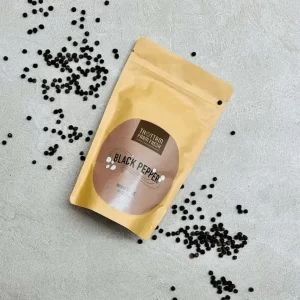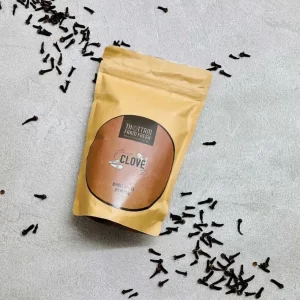
You’ve made the switch to organic milk, you’re buying local vegetables, and your pantry is slowly filling up with "superfoods." But have you looked closely at the very things that give your food flavor? We often spend a fortune on high-quality produce, only to toss in a spoonful of turmeric or a dash of black pepper that might be carrying more than just heat.
Buying pesticide-free spices online India sounds straightforward, but the digital marketplace is a bit of a wild west. From clever marketing jargon to hidden chemical treatments, it’s easy to get lost. If you’re trying to build a healthier kitchen, you might be making some common mistakes that are holding you back.
Let’s look at the seven most common pitfalls and, more importantly, how you can fix them to ensure your family gets the purity they deserve.
1. Falling for "Natural" or "Handpicked" Labels
In the world of online shopping, words like "natural," "farm-fresh," or "handpicked" are often used as shiny bait. While they sound lovely, they aren't legally regulated terms when it comes to pesticide residues.
The Mistake: Assuming "natural" automatically means pesticide-free.
The Fix: Look for transparency and direct-from-farm sourcing. At Thottam Farm Fresh, we don’t just use buzzwords; we focus on the origin. Our spices are sourced directly from the Malabar coast and trusted farms, ensuring that the pesticide-free spices online India you buy are truly what they claim to be.
2. Judging Spices by Their "Perfect" Color
We’ve been conditioned to think that turmeric should be a neon yellow and chili powder a deep, vibrant red. In reality, nature isn't always that consistent.
The Mistake: Choosing the brightest spice on the screen.
The Fix: Understand that authentic, pesticide-free spices often have a more subtle, earthy hue. Artificial colors (like Metanil Yellow in turmeric or Sudan Red in chili) are common in conventional spices to make them look more appealing. When you buy Indian spices online, look for descriptions that mention "no added colors."

3. Ignoring the Chemical Sterilization Issue
This is the hidden "elephant in the room" for the spice industry. Many conventional spices are treated with Ethylene Oxide (EtO) to kill bacteria. While it makes the spice "safe" from microbes, it leaves behind residues that many wellness enthusiasts want to avoid.
The Mistake: Not checking how the spices are sterilized.
The Fix: Opt for brands that use steam sterilization or traditional sun-drying methods. Pesticide-free spices should be clean from the soil to the jar. When looking for pesticide-free spices online India, verify that the brand avoids chemical fumigants.
4. Overlooking the Origin (The Geography of Flavor)
Did you know that where a spice grows completely changes its chemical makeup? For example, black pepper online from the Malabar coast has a higher piperine content (the stuff that makes it healthy) than pepper grown in other regions.
The Mistake: Buying generic "Black Pepper" or "Cinnamon" without checking where it came from.
The Fix: Always check the origin. Authentic Kerala spices are world-renowned for a reason: the soil and climate are perfect. Similarly, if you are looking for cinnamon, ensure it is Ceylon Cinnamon (H1 Grade) rather than the common, high-coumarin Cassia often sold in supermarkets.

5. Buying in Bulk for the "Deal"
It’s tempting to buy a 1kg pack of cardamom because it's 20% cheaper. However, spices are like perfume; their soul is in their volatile oils.
The Mistake: Storing large quantities of ground spices for months.
The Fix: Buy in small batches. Pesticide-free spices are more potent because they haven't been "stretched" with fillers. A small jar of high-quality spice will go much further than a large bag of stale powder. Aim to restock every 3-4 months to keep the flavor profile robust.
6. Preferring Powder over Whole Spices
Powders are convenient, but they are also much easier to adulterate. It’s hard to hide starch or husk in a whole peppercorn, but it’s easy in a fine powder.
The Mistake: Buying only pre-ground spices for everything.
The Fix: Whenever possible, buy whole spices and grind them at home. If you must buy powder, ensure it comes from a source that guarantees small-batch curation. Our spice powder online is processed in limited quantities to ensure that the aroma stays locked in until it reaches your kitchen.

7. Forgetting the "Human Touch"
In the age of industrial farming, the connection between the farmer and the consumer has been lost. Most spices go through five or six middlemen before reaching you, losing freshness (and gaining pesticides) at every step.
The Mistake: Buying from massive aggregators who don't know their farmers.
The Fix: Support the direct-from-farm model. This isn't just about ethics; it's about quality control. When you buy from a source like Thottam Farm Fresh, you are shortening the supply chain. This means the spice spends less time in warehouses and more time being handled with care by people who actually know what a real peppercorn should look like.
How to Make the Switch Today
Switching to pesticide-free spices online India doesn't have to be overwhelming. You don't need to replace your entire spice rack overnight. Start with the "Big Three":
- Turmeric: Because it's a daily anti-inflammatory.
- Black Pepper: To help your body absorb that turmeric.
- Cinnamon: Because the difference between Real Ceylon Cinnamon and common Cassia is a game-changer for your health.

At Thottam Farm Fresh, we believe that food is medicine. By sourcing our spices directly from the lush hills of Kerala and the fertile lands of Sri Lanka, we ensure that what reaches your table is 100% natural, unadulterated, and brimming with the vibrant energy of the farm.
Ready to taste the difference? Explore our collection of authentic spices here.
Frequently Asked Questions
Q: Are pesticide-free spices and organic spices the same?
A: "Organic" is a certification, while "pesticide-free" is a practice. While many of our spices follow organic practices, our focus is on sourcing directly from farmers who use traditional, chemical-free methods, ensuring purity without the massive price hike of global certifications.
Q: Why does my pesticide-free chili powder look different every time?
A: That’s a good sign! Since we don’t use artificial dyes, the color of the chili depends on the specific harvest and the sun-drying process. It proves you’re getting a natural product.
Q: How should I store my spices to keep them fresh?
A: Keep them in airtight glass jars, away from direct sunlight and heat. Avoid keeping your spice rack right next to the stove, as the heat can degrade the essential oils.