You’ve probably heard the hype: Ceylon cinnamon is the "true" cinnamon, the superfood spice that’s supposedly better for your heart, your blood sugar, and your palate. So, you go online, type in "buy Ceylon cinnamon India," and hit order on the first bag that looks premium.
But here’s the reality: there is a high chance that what just arrived in your kitchen isn't the real deal.
In the world of spices, Ceylon cinnamon is the "King," but it’s also one of the most frequently substituted and misunderstood products on the market. In India, where we are used to the thick, woody bark of Cassia, identifying authentic Ceylon requires a bit of an education.
At Thottam Farm Fresh, we believe that transparency is the most important ingredient in your pantry. We want you to get exactly what you pay for. To help you navigate the tricky world of online spice shopping, we’ve rounded up the seven most common mistakes people make when buying Ceylon cinnamon: and exactly how you can spot the fakes like a pro.
1. Falling for the "Cassia" Trap (The 95% Rule)
The biggest mistake you can make is assuming that anything labeled "Cinnamon" or "Dalchini" is Ceylon. In reality, about 90-95% of the cinnamon sold in Indian grocery stores and online marketplaces is actually Cassia.
Cassia (botanical name Cinnamomum aromaticum) and Ceylon (Cinnamomum verum) are entirely different species. Cassia is cheaper, easier to produce, and contains high levels of coumarin: a natural compound that can be toxic to the liver if consumed in large quantities.
How to Fix It: Always check the botanical name. If the listing doesn't explicitly state Cinnamomum verum or mention "Sri Lankan Origin," you are likely looking at Cassia. Genuine Ceylon is known as "True Cinnamon" for a reason. If you're looking for more information on how we source our authentic ingredients, you can read more about our process on our stories page.
2. Believing Thinner Bark is Always Better
There is a common misconception that the thinner and more "paper-like" the cinnamon bark is, the higher the quality. While it’s true that Ceylon is naturally thinner than the chunky Cassia bark, there is a limit.
Very thin barks often come from extremely young cinnamon trees. These young trees haven't had enough time to develop a high essential oil content. The result? A stick that looks right but lacks the warm, citrusy punch that makes Ceylon so special.
How to Fix It: Look for cinnamon sticks where the bark is slightly substantial: ideally thicker than 2mm. This thickness indicates a mature tree with a robust oil profile, ensuring you get those health benefits you’re after.
3. Chasing a Bright Yellow Color
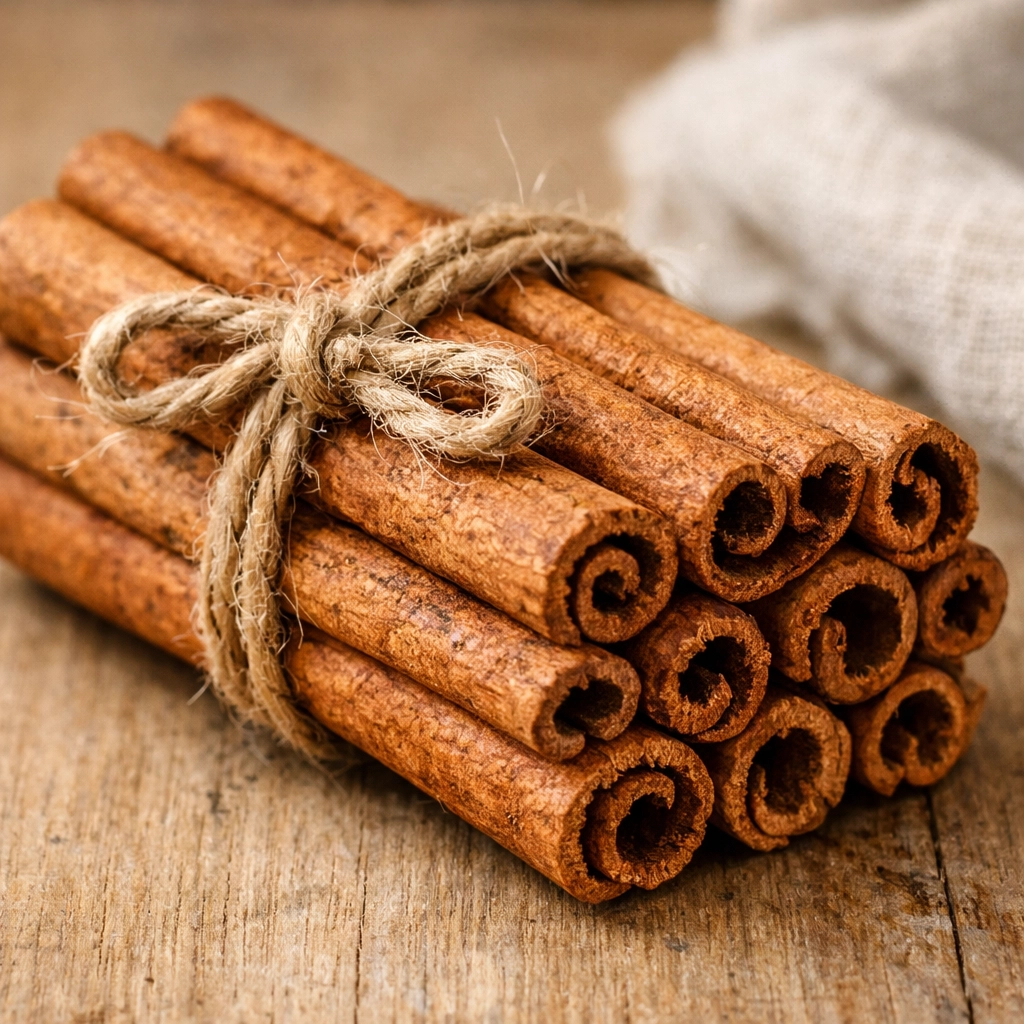
We are often conditioned to think that "bright" equals "fresh." When you see a bag of bright, neon-yellow cinnamon sticks online, it’s tempting to hit "Add to Cart." However, that unnaturally bright hue is often a red flag.
To achieve that specific yellow look, some processors treat the cinnamon with sulfur. While it makes the product look "pretty" for the camera, sulfur treatment introduces toxins into a product you’re supposed to be using for wellness.
How to Fix It: Real, high-quality Ceylon cinnamon is naturally tan, dark yellow, or light brown. It shouldn't look like it’s been highlighted with a marker. Trust the earthy tones; they are a sign of a natural, chemical-free drying process.
4. Not Checking the Internal Structure
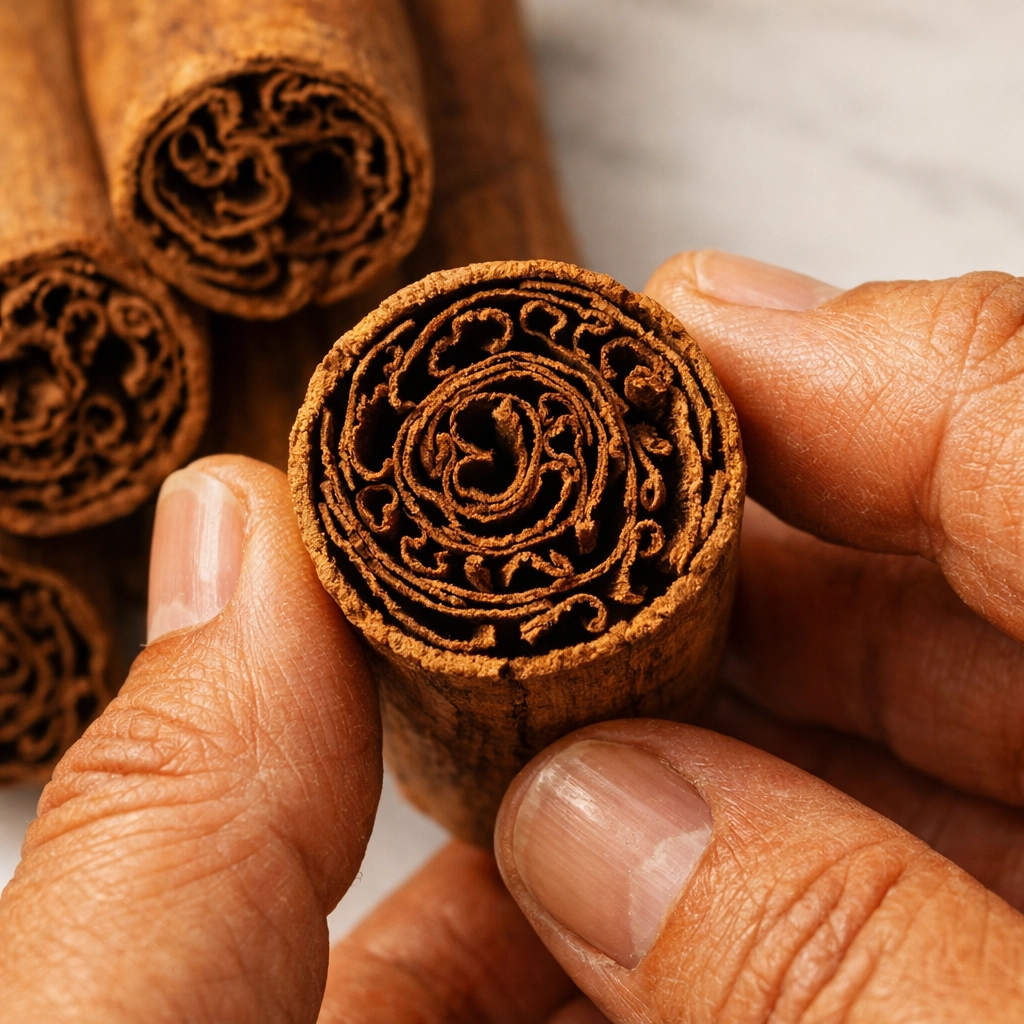
This is the "Gold Standard" test, but many online shoppers forget to look at the product photos closely (or check the sticks once they arrive). Cassia bark is a single thick layer that rolls into a hollow tube: think of it like a piece of thick cardboard rolled up.
Ceylon cinnamon is harvested by scraping the inner bark into very thin layers and then rolling them together.
How to Fix It: Look for the "Cigar" structure. When you look at the end of a Ceylon cinnamon stick, it should look like a rolled cigar with many thin, delicate layers packed inside. If it has a single thick layer with a "tunnel" in the middle, it’s Cassia. This structural difference is the easiest way to tell if you’ve been sent an inferior product.
5. Ignoring the "Hardness" Factor
If you’ve ever tried to grind cinnamon at home and ended up fearing for the life of your mixer-grinder, you were probably dealing with Cassia. Cassia is incredibly hard and woody. Ceylon, on the other hand, is fragile and brittle.
Many people think that if a spice is "hard," it’s more potent. With cinnamon, the opposite is true. The delicacy of the Ceylon bark is what allows it to release its complex aroma so easily.
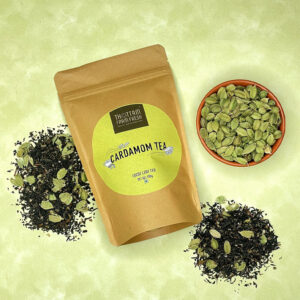
How to Fix It: You should be able to break a Ceylon cinnamon stick easily with your fingers. It should have a crumbly, delicate texture. This also makes it much easier to powder at home, ensuring you always have the freshest possible spice for your morning coffee or baking. If you love experimenting with fresh spices, you might also be interested in the benefits of our cardamom which follows the same strict quality standards.
6. Getting "Price-Baited" by Mixed Products
Ceylon cinnamon is expensive. It is labor-intensive to harvest: each quill is hand-rolled by skilled artisans in Sri Lanka or specific parts of Southern India. Because of this, it typically costs 2 to 3 times more than Cassia.
A common trick among some online sellers is to mix "Forest Cinnamon" (a wild, bitter variety) or even a percentage of Cassia into bags labeled as Ceylon. This allows them to drop the price and win the "lowest price" filter on e-commerce sites.
How to Fix It: If the price seems too good to be true, it probably is. Authentic Ceylon cinnamon has a distinct, sweet, and mild flavor profile. If your "Ceylon" tastes bitter or has a harsh, burning heat (like a hot chili), it’s likely been mixed with forest varieties or Cassia. Buy from specialty spice e-commerce sites like Thottam Farm Fresh that specialize in farm-direct sourcing rather than massive, unvetted marketplaces.
7. Skipping the Origin Verification
Where was your cinnamon grown? If the seller can't answer that, don't buy it. The world’s best Ceylon cinnamon comes from Sri Lanka, though some excellent varieties are grown in the hilly regions of South India.
Buying "Generic Cinnamon" means you have no traceability. Without traceability, you have no guarantee of the lead levels, moisture content, or purity of the spice.
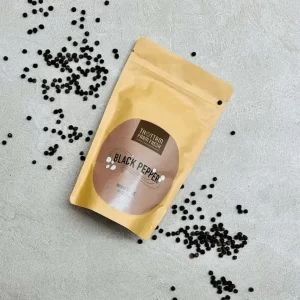
How to Fix It: Only purchase from brands that provide clear documentation or explicit statements regarding the origin of their spices. We take pride in our sourcing, whether it’s our Tellicherry Black Pepper or our Ceylon Cinnamon. Knowing the farm means knowing the quality.
Why Quality Matters: The Thottam Farm Fresh Difference
Buying spices online shouldn't be a guessing game. When you’re using cinnamon for its anti-inflammatory properties or to help manage blood sugar, the purity of the product isn't just a matter of taste: it’s a matter of health.
At Thottam Farm Fresh, we cut out the middlemen and the "mixers." We source our Ceylon cinnamon with a focus on:
- Purity: No sulfur, no additives, and zero Cassia mixing.
- Traceability: We know exactly where our spices come from and how they are processed.
- Freshness: Our spices don't sit in dusty warehouses for years. They are packed and shipped to preserve their natural oils.
Whether you are looking to buy dry fruits online for a healthy summer or looking for the perfect masala tea ingredients, we believe in providing the "True" version of every spice.
Don't let your next spice purchase be a mistake. Look for the layers, check the color, and always trust a source that values quality over a quick sale. Your taste buds: and your health: will thank you.
Ready to taste the difference of real Ceylon Cinnamon? Explore our collection here.