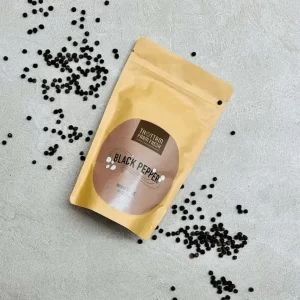
If there is one spice that sits on every single dining table across the world, it’s black pepper. We call it the "King of Spices" for a reason. It’s the finishing touch on a fried egg, the backbone of a hearty stew, and the secret kick in a spicy chai. But here is a hard truth: most of us are treating this royalty like a commoner.
At Thottam Farm Fresh, we see it all the time. People spend hours sourcing the best organic vegetables or the finest cuts of meat, only to sprinkle on some dusty, grey pepper powder that’s been sitting in a clear shaker for six months.
If you think all pepper is created equal, or that how you use it doesn't matter, you're missing out on a world of flavor and, more importantly, significant health benefits. Today, we’re diving into the seven most common mistakes people make with black pepper and why choosing the right grade when you look for black pepper online can transform your kitchen.
1. Buying Pre-Ground Pepper (The "Dust" Mistake)
This is the biggest mistake of all. When you buy pre-ground pepper from a supermarket tin, you aren't just buying spice; you’re buying a shadow of what pepper should be.
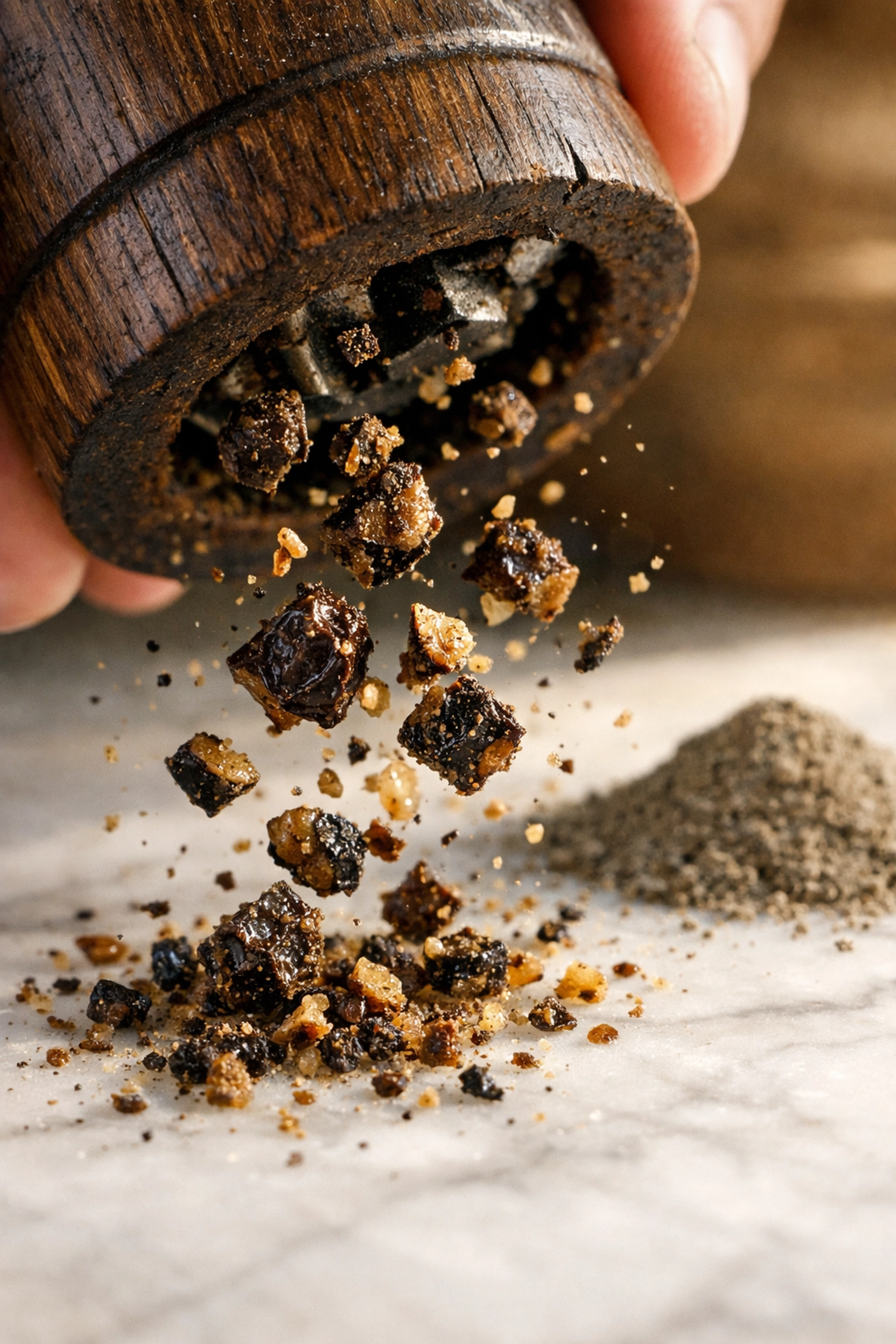
Research shows that black pepper loses up to 82% of its flavor compounds and piperine (the active health-boosting alkaloid) within just 15 minutes of being ground if exposed to air. By the time that tin reaches your pantry, it has been sitting in a warehouse and on a shelf for months. What’s left is "pepper dust", it provides heat but lacks the floral, citrusy, and woody notes of a fresh peppercorn.
The Fix: Always buy whole peppercorns. When you buy spices online from a source that ships fresh from the farm, you’re getting the "locked-in" oils that only release their magic the moment you twist your grinder.
2. Letting Your Pepper Bask in the Light
We all love those sleek, clear acrylic or glass pepper shakers. They look great on a minimalist countertop, right? Unfortunately, they are a nightmare for spice quality.
Piperine is highly sensitive to UV-A and blue light. When light hits your peppercorns, it causes photo-oxidation. In simpler terms, the light literally "bleaches" the flavor and the health benefits out of the spice. Studies have shown that pepper stored in clear containers retains less than 12% of its piperine after just 30 days.
The Fix: Store your pepper in a cool, dark place in an opaque container. If you want to see the beautiful dark berries, only keep a small amount in your grinder and store the rest of your stash in a sealed, dark pouch or tin.
3. The "Pre-Sear" Sizzle
It’s a classic move: salt and pepper the steak, then throw it onto a screaming hot pan. Stop right there.
While salt can handle the heat, black pepper cannot. When pepper is exposed to temperatures above 160°C (320°F), it undergoes pyrolysis. The delicate piperine decomposes into compounds like piperonal, which tastes bitter and ashy. Instead of that bold, spicy bite, you end up with a burnt, "off" flavor that masks the taste of your food.
The Fix: Season with salt before cooking, but wait to add your freshly ground pepper until the last 60 seconds of cooking, or, even better, immediately after you take the meat off the heat. This preserves the aromatic oils and the sharp bite.
4. Storing Your Spice Next to the Stove
It’s convenient to have your spices right next to the burner while you’re cooking. However, the infrared radiation and fluctuating heat from your stovetop are the enemies of freshness. Heat accelerates the degradation of essential oils. If your spice rack is hovering over the range, you are essentially "slow-cooking" your spices before they ever hit the pan.
The Fix: Keep your main supply of Indian spices online in a pantry or drawer away from the oven. Your pepper (and your health) will thank you for the cooler environment.
5. Rinsing Your Peppercorns
You might think you’re being hygienic by washing your peppercorns before putting them in the grinder. Please, don't. Introducing moisture to the surface of a peppercorn accelerates the oxidation of its essential oils by three times. It also creates a breeding ground for mold if the peppercorns don't dry perfectly.
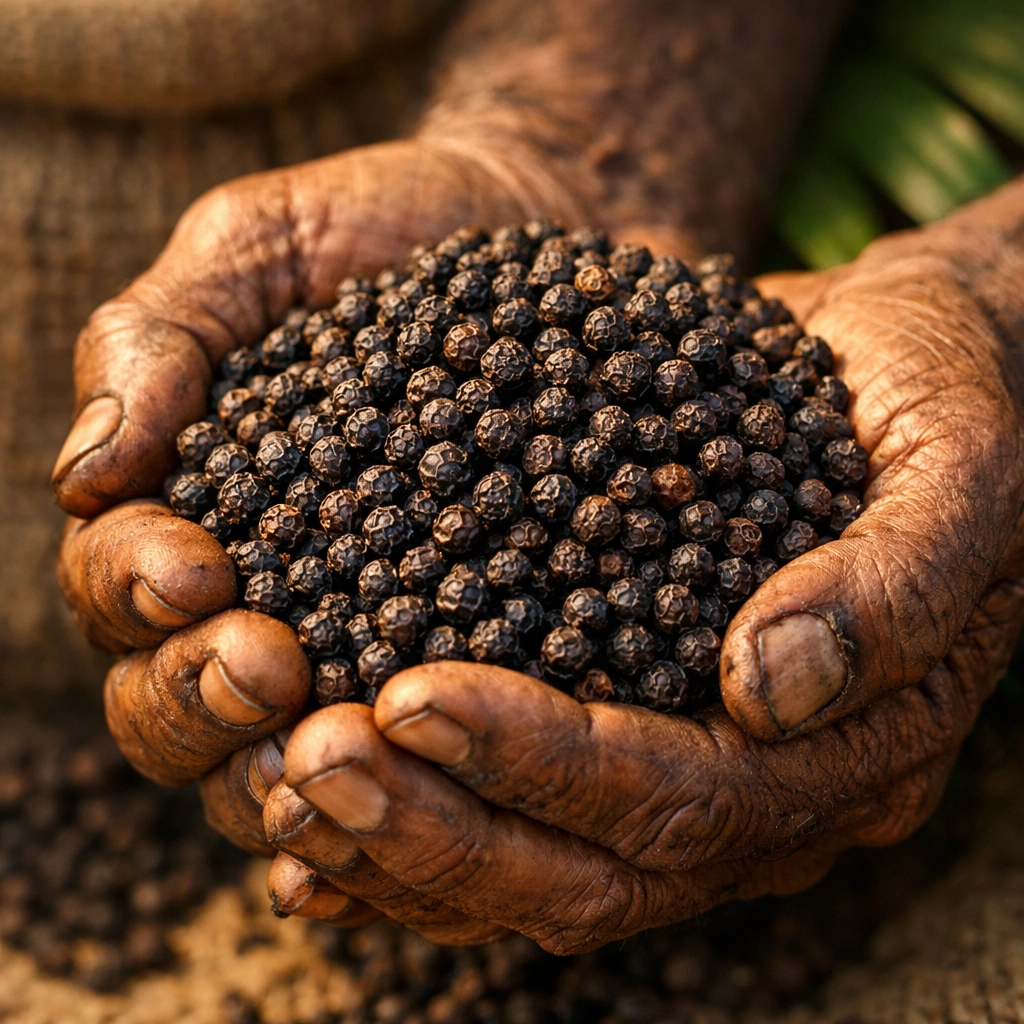
The Fix: Trust your source. When you buy authentic Kerala spices online India from Thottam Farm Fresh, our peppercorns are processed in clean, controlled environments, meaning they are ready to use straight from the bag. If you want to know more about how we do it, check out our guide on how black peppercorns are harvested and processed.
6. The "Floating Pepper" Problem in Soups
Have you ever sprinkled pepper over a simmering soup and ended up with a gritty, sandy texture? Black pepper contains piperine crystals that don't easily dissolve below 70°C. If you just sprinkle it on top and let it sit, the particles float and form aggregates (clumps). This leads to a "gritty mouthfeel" and uneven spice distribution.
The Fix: Stir it in! When adding pepper to liquids, give it a good whisk or stir to disperse the particles. This ensures the heat is evenly distributed and the flavor melds with the broth rather than sitting on top like sand.
7. Assuming All Pepper is the Same
This is where the "Grade" comes in. Most grocery store pepper is "commodity grade," usually sourced from regions where the focus is on volume rather than volatile oil content. Commodity pepper often tests at around 3.8% piperine.
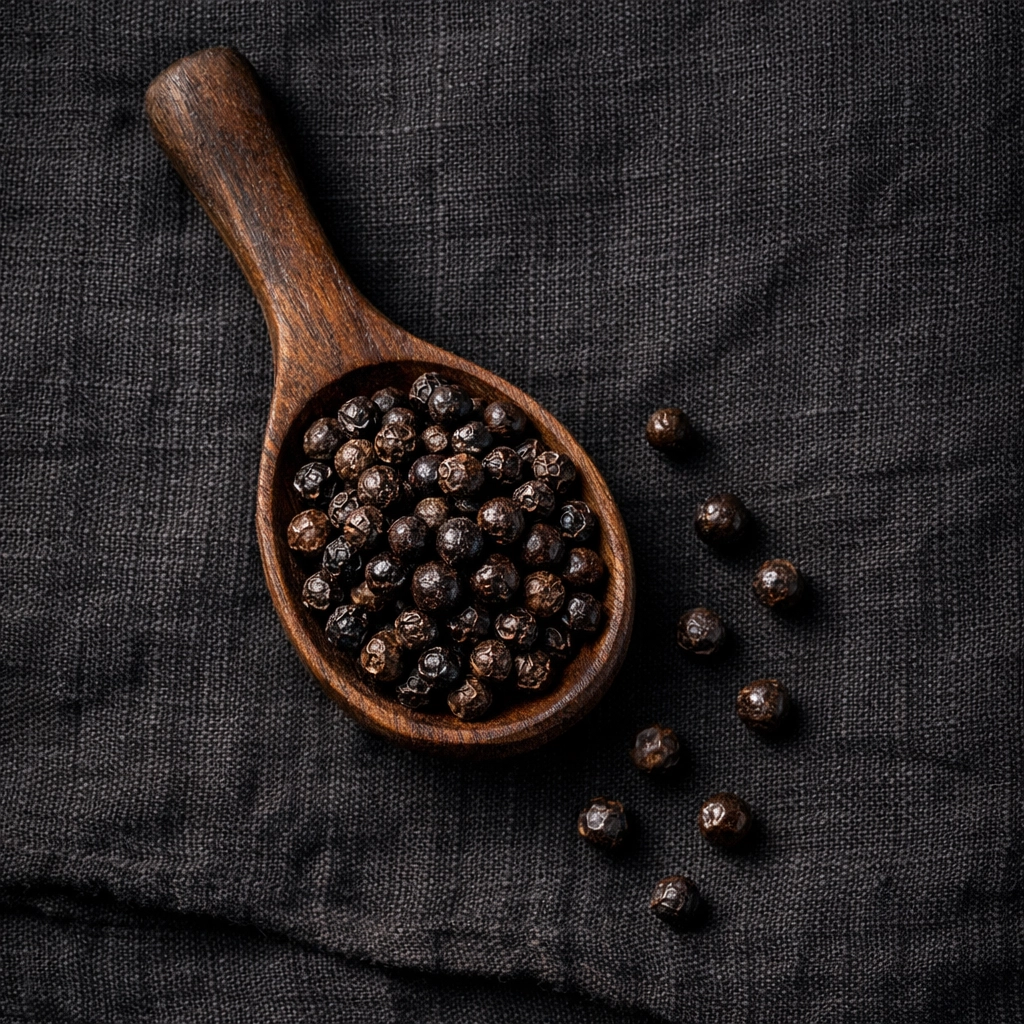
In contrast, premium grades like Tellicherry Bold from Kerala are legendary. Why? Because they are left on the vine longer to ripen, becoming larger and developing a complex, citrusy aroma with a piperine content that averages 5.1% or higher.
The Fix: Look for specifics. When searching for black pepper online, don't just look for "black pepper." Look for "Tellicherry" or "Malabar" grades. These aren't just fancy names; they are indicators of maturity, size, and potency.
Why Grade Matters for Your Health
We don’t just eat pepper for the taste; we eat it because it’s a powerhouse for our bodies. But the health benefits are directly tied to the quality of the grade.
1. Bioavailability of Nutrients
The star of the show is piperine. This compound is famous for increasing the bioavailability of other nutrients. For example, if you consume turmeric (curcumin) without black pepper, your body absorbs very little of it. Add a pinch of high-grade black pepper, and absorption can increase by up to 2,000%! If you’re using low-grade, old pepper with low piperine, you’re losing that "booster" effect.
2. Digestive Health
Black pepper stimulates the secretion of hydrochloric acid in the stomach, which helps digest proteins and reduces bloating and gas. A higher grade of pepper means a more potent stimulus for your digestive system.
3. Antioxidant Power
Premium peppercorns are packed with antioxidants that fight free radicals. At Thottam Farm Fresh, our peppercorns are 100% natural and pesticide-free, ensuring that you’re getting the pure benefits of the plant without any chemical baggage.
How to Spot High-Quality Black Pepper Online
When you’re browsing for black pepper online, how can you tell the good stuff from the floor sweepings? Here’s a quick checklist:
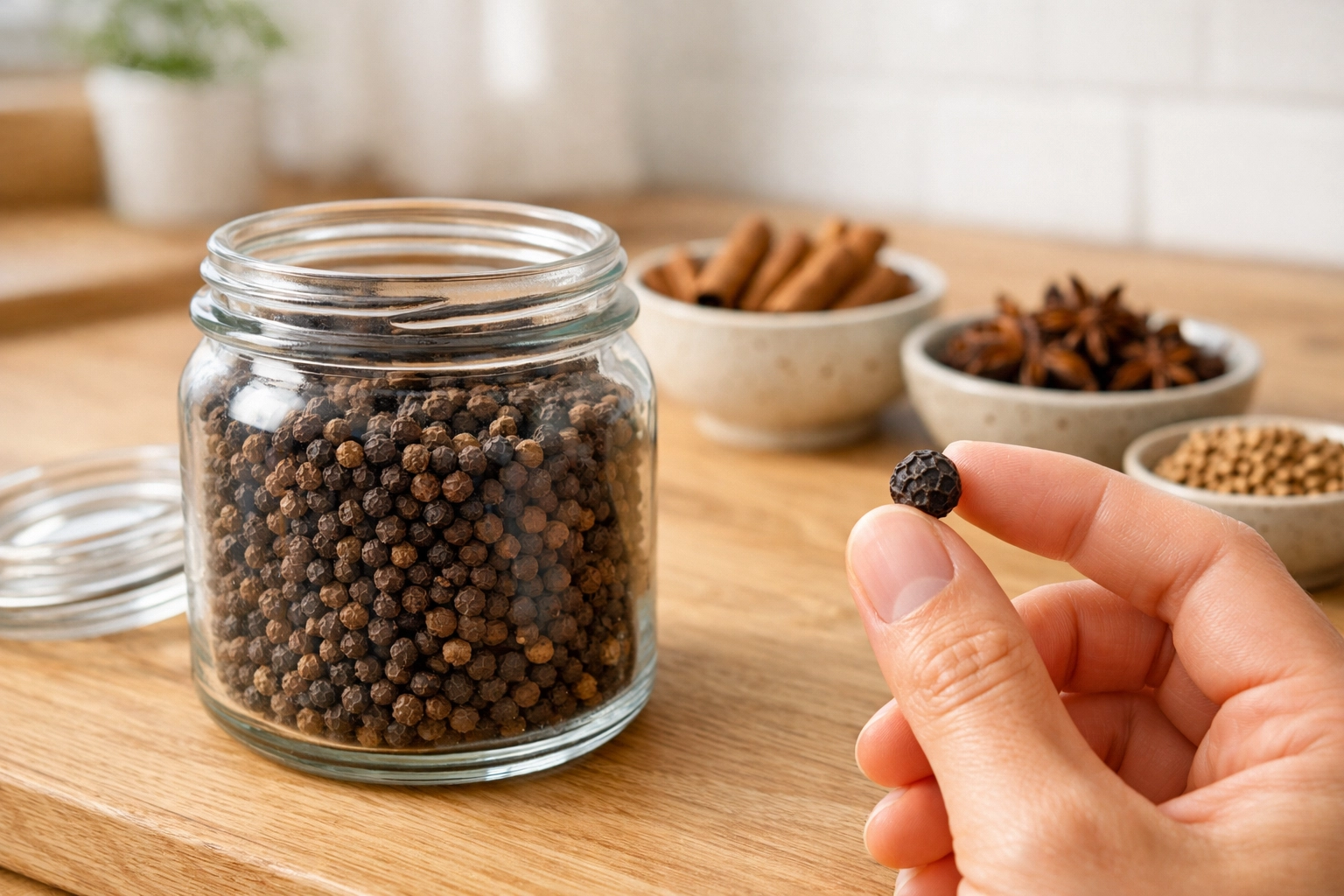
- Color: Look for deep brown to black peppercorns. If they look grey or dusty, they’re old.
- Uniformity: High-grade pepper (like Tellicherry Bold) will have uniform, large berries. If the bag is full of small, shriveled bits and dust, it’s a lower grade.
- Aroma: It should hit you the moment you open the seal. It should be sharp, pungent, and slightly woody. If you have to put your nose inside the bag to smell anything, it’s past its prime.
- Source: Does the seller know where the pepper came from? At Thottam Farm Fresh, we source directly from farms in Kerala, the ancestral home of black pepper.
The Thottam Farm Fresh Promise
We believe that the best food starts with the best ingredients. That’s why we don't settle for commodity-grade spices. When you choose to buy black pepper online from us, you are getting peppercorns that are:
- Direct-from-Farm: We cut out the middlemen to ensure the spice reaches you faster and fresher.
- 100% Natural: No additives, no "spice extracts," and no artificial colors.
- Strictly Graded: We select only the boldest, most potent berries for our premium packs.
Whether you're looking for Indian spices online for your daily cooking or a special spice gift box for a foodie friend, the quality of the pepper matters.
Conclusion
Black pepper is so much more than a table condiment. It’s a complex, healthy, and ancient spice that deserves respect in the kitchen. By avoiding these seven common mistakes: especially the trap of pre-ground "dust": and insisting on high-quality grades, you'll elevate your cooking from ordinary to extraordinary.
Ready to taste the difference that real, farm-fresh pepper makes? Skip the supermarket aisle and discover the potency of authentic Kerala pepper.