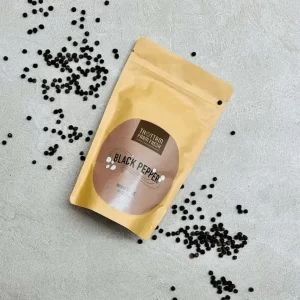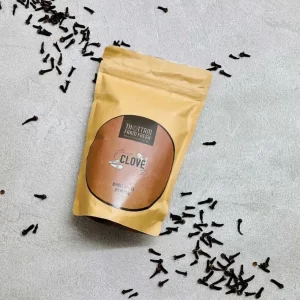
Do you remember the last time you opened a jar of black pepper and were hit with a scent so sharp it made your nose tingle? Or the last time a pinch of cardamom actually filled your entire kitchen with its floral, sweet aroma?
If you’re struggling to remember, it’s probably not your nose: it’s your spices.
In the digital age, we have the world’s pantry at our fingertips. You can buy spices online from almost anywhere. But here’s the catch: not all "online spices" are created equal. In fact, many of the spices sitting in virtual carts today are stale, adulterated, or so far removed from their harvest date that they’re little more than colored dust.
If you’re looking to elevate your home cooking and truly reap the health benefits of these natural powerhouses, you need to avoid the common pitfalls of the online spice trade. Here are the seven biggest mistakes you’re making when you buy spices online and, more importantly, how you can fix them to ensure you’re getting the "real deal."
1. Choosing Price Over Purity (The "Cheap Spice" Trap)
It’s tempting to sort by "Price: Low to High" when you’re stocking up on kitchen essentials. However, spices are one of the most frequently adulterated food products in the world.
When you see a price that seems too good to be true, it usually is. Cheap ground spices are often "bulked up" with fillers like rice flour, cornstarch, or even crushed husks. Even worse, low-grade spices are rarely tested for pesticides or heavy metals.
The Fix: Think of spices as an investment in your health and flavor. High-quality, pesticide-free spices might cost a few rupees more, but because they are more potent, you’ll actually use less of them to achieve the same (or better) flavor.
2. Buying Only Pre-Ground Spices
We get it: convenience is king. But pre-ground spices are the fastest way to lose the "soul" of your dish. The moment a spice is ground, its volatile oils (where the flavor and health benefits live) start to evaporate.
By the time a mass-produced ground spice reaches your door, it might have been sitting in a warehouse for months, losing its potency every single day.

The Fix: Whenever possible, choose whole spices online. Investing in a simple mortar and pestle or a small spice grinder will transform your cooking. If you must buy powder, look for sellers who offer small-batch, freshly ground options like our spice powder online collection, which ensures minimal time between the mill and your kitchen.
3. Ignoring the "Geography" of Your Spices
Would you buy "Wine" without knowing if it's from France or California? Probably not. The same logic should apply to your spices.
A label that simply says "Black Pepper" or "Cinnamon" is a red flag. The soil, climate, and altitude: what the French call terroir: drastically change the flavor profile of a spice. For example, black pepper online sourced from the Malabar Coast of Kerala is world-renowned for its high piperine content and robust heat, which you won't find in generic blends.
The Fix: Look for specific origins. Seek out terms like "Alleppey Cardamom" or "Malabar Pepper." Knowing exactly where your spice was grown is the first step toward guaranteed quality.
4. Missing the "Fine Print" on the Ingredients List
You’d be surprised how many "pure" spices contain more than just the spice. Anti-caking agents, artificial colors (to make turmeric look more yellow or chili more red), and even salt are common additives used to keep production costs down.
The Fix: Always check the ingredient tab. A pack of cumin should have exactly one ingredient: Cumin. If you see words you can’t pronounce or "added colors," keep scrolling. At Thottam Farm Fresh, we believe in 100% natural purity: nothing added, nothing taken away.
5. Stockpiling Like It’s the Apocalypse
Buying a 1kg bag of cloves because it was on sale might feel like a win for your wallet, but it’s a loss for your palate. Unless you are running a restaurant, spices will go stale long before you finish a bulk bag. Most whole spices last about a year, while ground spices lose their edge in about six months.
The Fix: Buy in smaller quantities more frequently. It ensures that every dish you cook features spices at their peak of freshness. Look for sellers who offer various pack sizes so you can tailor your purchase to your actual usage.
6. Confusing Ceylon Cinnamon with Cassia
This is perhaps the most common mistake in the spice world. Most of what is sold as "Cinnamon" in supermarkets is actually Cassia. While Cassia is tasty, it contains high levels of coumarin, which can be harmful to the liver in large doses.
Ceylon Cinnamon, also known as "True Cinnamon," is delicate, sweet, and has significantly lower coumarin levels, making it the healthier and more sophisticated choice.

The Fix: If the label doesn't explicitly say "Ceylon Cinnamon" or "Cinnamomum verum," it’s likely Cassia. If you want the best, look for H1 Grade Ceylon Cinnamon online, which guarantees a premium, soft-textured spice with a Certificate of Origin.
7. Ignoring the Seller’s "Story" and Sourcing
In a world of giant marketplaces, it’s easy to forget that spices come from farms, not factories. Many online sellers are simply "middlemen" who buy old stock from auctions and repackage it. This disconnect leads to a lack of transparency regarding how the spices were grown and when they were harvested.
The Fix: Buy from people who know their farmers. When you buy from farmers or small-batch curators, you’re getting a product that hasn’t spent months in a supply chain.

At Thottam Farm Fresh, we bridge that gap. We source directly from our own farms and trusted partners in Kerala and Sri Lanka. When you buy our Kerala spices online, you aren't just getting an ingredient; you're getting a harvest-fresh experience that supports local agriculture and traditional farming methods.
The Ultimate Checklist for Your Next Online Spice Order:
- Is it Whole? Prioritize whole seeds and pods over powders.
- Is the Origin Stated? Look for specific regions like Kerala or Sri Lanka.
- Is it One Ingredient? Check for fillers or anti-caking agents.
- Is the Species Correct? Especially for Cinnamon (Ceylon vs. Cassia).
- Is the Seller Transparent? Do they work directly with farms?
- Is the Quantity Right? Don't buy more than you can use in 6-12 months.
- Is it Natural? Ensure it's free from pesticides and artificial colors.
Ready to fix your spice rack?
Don't settle for "okay" when you can have "extraordinary." Explore our collection of farm-fresh spices and taste the difference that purity, origin, and direct sourcing can make in your kitchen. From the bold heat of our Tellicherry pepper to the delicate sweetness of our Ceylon cinnamon, we bring the best of the farm straight to your table.