Have you ever wondered why that jar of turmeric in your pantry looks bright but tastes like… nothing? Or why your homemade biryani never quite hits the same notes as the one you had at that small village eatery in Kerala?
The truth is, the "Big Spice" industry has a few skeletons in its closet. When you walk down the supermarket aisle, you aren't just buying ingredients; you’re often buying the remnants of a highly processed, multi-year supply chain designed for shelf-life, not soul.
At Thottam Farm Fresh, we believe you deserve better. We believe your kitchen should smell like the Malabar coast after a rain, not a sterile warehouse. That’s why we’re pulling back the curtain.
Whether you want to buy spices online or just want to become a more conscious cook, here are 31 secrets industrial brands won’t tell you.
The Processing Pitfalls
1. The "Spent Spice" Secret
This is perhaps the biggest "hush-hush" in the industry. Many industrial brands extract the valuable essential oils (oleoresins) from spices to sell to the pharmaceutical or perfume industry. The leftover, flavorless fiber: called "spent spice": is then ground up and sold to you as "pure" powder.
2. High-Speed Grinding Destroys Flavor
Industrial mills run at incredibly high speeds. This generates heat, which causes the delicate volatile oils (the stuff that actually makes spices smell and taste good) to evaporate before the powder even hits the bag.
3. The Middleman Markup
By the time a spice reaches a supermarket, it has passed through 5 to 7 hands: farmers, local collectors, auction houses, wholesalers, exporters, and retailers. Everyone takes a cut, and quality is diluted at every step.
4. Age is Just a Number (And a Big One)
Did you know that the "fresh" ground pepper in a supermarket might be two years old? From harvest to shelf, the industrial supply chain is agonizingly slow. By the time you use it, the "soul" of the spice is long gone.
5. Irradiation Kills More Than Just Bacteria
To ensure a long shelf life, many brands use irradiation (zapping spices with radiation) or steam sterilization. While this kills microbes, it also alters the chemical structure of the spice, dulling its natural vibrancy.
The Adulteration "Art"
6. The Lead Chromate Scandal
In some low-grade turmeric powders, lead chromate (a toxic yellow pigment) is added to give it a "vibrant" look and extra weight. At Thottam, our turmeric powder is tested for purity because we know "bright" shouldn't mean "toxic."
7. Cassia is NOT Cinnamon
Most "Cinnamon" sold online is actually Cassia: a cheaper, harder bark containing high levels of coumarin, which can be harmful to the liver in large doses. True Ceylon Cinnamon (H1 Grade) is delicate, multi-layered, and safe.
8. Starch Fillers
Cornstarch, rice flour, or even sawdust are often used to "stretch" expensive spices like chili or coriander powder. If your spice powder clumps oddly or feels "chalky," it’s likely been diluted.
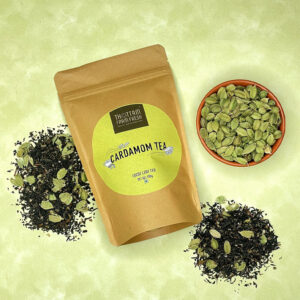
9. Polished Cardamom
Ever see cardamom pods that look unnaturally shiny and green? They might be coated in paraffin wax or synthetic dyes to hide age. Real, high-quality Kerala cardamom has a natural, matte-green hue.
10. Sudan Red in Chili
To get that "fiery red" look, some unscrupulous brands have been caught using Sudan Red: a carcinogenic industrial dye. Real chili powder should have a deep, earthy red tone, not a neon glow.

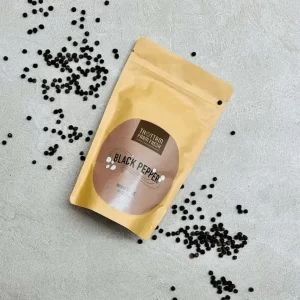
11. Papaya Seeds in Black Pepper
Because they look similar when dried, papaya seeds are a common "bulking agent" for whole black pepper. When you buy spices online from a direct source, you get 100% peppercorns, no fillers.
12. Synthetic Aromas
If a spice smells overwhelmingly strong the moment you open the jar but loses its scent within a week, it might have been sprayed with synthetic aromatic oils to mimic freshness.
Health & Environment
13. Ethylene Oxide Fumigation
Many imported spices are fumigated with Ethylene Oxide to kill pests. This is a known carcinogen that is banned in several countries but still slips through the cracks in large-scale industrial spice trading.
14. Pesticide Residues
Industrial spice farming relies heavily on chemical pesticides. Because spices are concentrated, these residues can be significant. Sourcing from small-batch, trusted farms (like ours!) ensures a cleaner product.
15. The Plastic Leaching Problem
Spices are chemically active. When stored in cheap plastic containers for months in hot warehouses, the oils in the spices can react with the plastic, leading to chemical leaching.
What to Look For When You Buy Spices Online
16. The "Water Test" for Turmeric
Drop a teaspoon of turmeric into a glass of warm water. Pure turmeric will settle at the bottom, leaving the water relatively clear. Adulterated turmeric will leave the water cloudy or streaky.
17. The Texture of Cinnamon
True Ceylon cinnamon is like a cigar: many thin, brittle layers you can crush with your hand. Cassia (the "fake" stuff) is one thick, hard piece of bark that could break a tooth.
18. Tellicherry is a Grade, Not Just a Place
"Tellicherry" refers to the size of the peppercorn. Only the largest 10% of peppercorns qualify. They have a higher oil content and a more complex flavor than standard "Black Pepper."
19. The Essential Oil Percentage
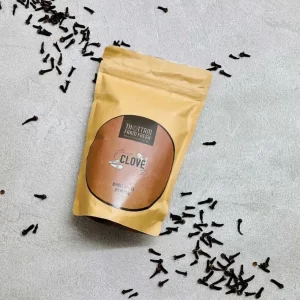
Premium spices are graded by their oil content. For example, our cloves are selected for their high eugenol content, giving you more flavor with fewer pods.
20. Whole vs. Ground
Whenever possible, buy whole spices and grind them as needed. The outer shell of a peppercorn or cardamom pod is nature’s perfect packaging, keeping the oils safe for years.
Why Direct Sourcing Wins
21. Saffron Fraud
Saffron is the most faked spice in the world. Often, it's just dyed corn silk or safflower. Real Kashmiri Saffron will color water slowly and won't lose its own red color when soaked.
22. Honey Isn't Always Honey
Many "pure honey" brands online are actually ultra-filtered corn syrup. Real Wild Forest Honey contains pollen and enzymes that industrial processing destroys.
23. Sulfur in Dry Fruits
To keep apricots or raisins looking "bright," brands use sulfur dioxide. It’s an allergen for many. Look for natural dry fruits that might look darker but taste much richer.
24. The Small-Batch Difference
Industrial brands produce millions of tons. At Thottam Farm Fresh, we curate small batches. This means the spice you buy was likely in the ground just a few months ago.
25. Cold-Pressing is Key
For powders, look for brands that use "Cold-Grinding" technology. It keeps the temperature below 40°C, preserving the nutrients and the aroma.
The Cultural Connection
26. Spices are Seasonal
Just like tomatoes, spices have seasons. Industrial brands mix harvests from different years to create "consistency." Direct-from-farm brands offer you the nuance of the current harvest.
27. The Origin Matters
Cumin from one region tastes different from cumin grown 500 miles away. Industrial brands blend everything together, creating a "flat" flavor profile.
28. Fairness to Farmers
When you buy from the source, more money goes back to the farmer. This allows them to invest in better, pesticide-free farming practices.
29. Traditional Sun-Drying
While machines are faster, traditional sun-drying (often used in Kerala for pepper and ginger) develops a deeper flavor profile that mechanical dryers simply can't match.
30. Ethical Sourcing is a Quality Control
A brand that cares about its farmers cares about its product. Traceability is the best insurance policy for your health.
31. Your Palate Has Been Lied To
If you've only ever used supermarket spices, you might find real, farm-fresh spices "too strong" at first. That’s because you’re finally tasting the real thing. Start with half the amount you usually use!
Ready to Taste the Truth?
The choice is simple: you can keep buying "mystery dust" from the industrial machine, or you can join the movement of cooks who value purity, origin, and flavor.
When you buy spices online from Thottam Farm Fresh, you aren't just getting an ingredient; you're getting a direct link to the farms of the Malabar coast. No middlemen, no "spent" fillers, just 100% natural goodness.
Explore our Farm-to-Table collection today and transform your kitchen.