Ever walked into your kitchen, opened a jar of turmeric or black pepper, and felt… nothing? No hit of earthiness, no sharp sting of heat, just a faint, dusty shadow of what a spice should be. It’s a common frustration. In the world of mass-marketed groceries, purity often takes a backseat to shelf-life and profit margins.
But what if you could transform your pantry into a powerhouse of flavor and health in just one month?
Welcome to your 31 Days of Purity guide. At Thottam Farm Fresh, we believe that the journey to a healthier lifestyle starts with the smallest ingredients in your cabinet. Kerala, often called the "Land of Spices," produces some of the most potent, oil-rich aromatics in the world. However, finding the real deal can be tricky. This guide is designed to help you navigate the nuances of quality, showing you exactly why you should buy spices online directly from trusted sources rather than settling for supermarket generic brands.
Phase 1: The Foundations of Purity (Days 1–10)
The first ten days are all about the "Big Players", the essential Kerala spices that form the backbone of Indian cooking.
Day 1: The King of Spices – Black Pepper
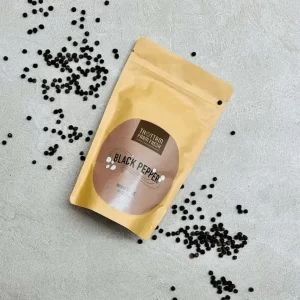
True Tellicherry or Malabar black pepper is legendary. When you look to buy black pepper online, look for "Tellicherry Bold" (TGSEB grade). These are larger, heavier, and darker. They contain higher concentrations of piperine and essential oils.
- The Test: Squeeze a peppercorn. It should be hard and leave a slightly oily residue, not crumble into dust.
Day 2: The Queen – Alleppey Cardamom
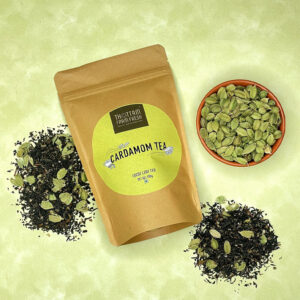
Pure Kerala cardamom is distinct for its deep green hue and plumpness. Avoid pods that look bleached or yellowish; these are often old. When you open a pod, the seeds inside should be dark, sticky, and intensely fragrant.
Day 3: True Cinnamon vs. Cassia
Most "cinnamon" in the market is actually Cassia, thick, hard bark that can be harmful in large doses due to high coumarin levels. True Ceylon cinnamon is like parchment paper: thin, multi-layered, and delicately sweet.
Day 4 to 10: Turmeric, Cloves, and Ginger
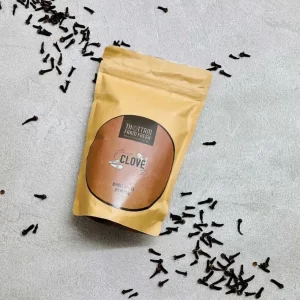
For Turmeric, look for a deep orange-gold color rather than bright neon yellow. For Cloves, the "head" should be intact. If it’s missing, the essential oils have likely evaporated.

Phase 2: Mastering the Aromatics & Blends (Days 11–18)
Once you’ve secured your whole spices, the next week is about understanding how they come together. This is where most people realize that when you buy spices online, freshness is the ultimate USP.
The Problem with Pre-Ground Powders
Most store-bought powders have been sitting in warehouses for months. By the time they reach you, the volatile oils, the stuff that actually provides flavor and health benefits, are long gone.
- The Solution: Buy whole and grind in small batches. If you must buy powder, ensure it’s from a "farm-to-fork" brand like Thottam Farm Fresh, where grinding happens close to the dispatch date.
Authentic Kerala Masalas
Kerala's meat masalas and sambar powders are unique because they rely heavily on coriander and black pepper rather than just chili heat. When choosing a blend, the ingredient list should be short. No anti-caking agents, no artificial colors (like Sunset Yellow), and certainly no added MSG.
Star Anise and Nutmeg
These are the "secret weapons" of a Kerala kitchen. A single petal of organic star anise can elevate a biryani from good to "restaurant-quality." Look for whole stars; broken pieces lose their licorice-like punch quickly.

Phase 3: The Dry Fruit & Nut Upgrade (Days 19–24)
Purity isn't just for the spice rack. Your snack drawer needs a "cleanse" too. In Kerala, we treat cashews and coconuts with the same reverence as pepper.
Day 19: The Creamy Kerala Cashew
When you buy dry fruits, specifically cashews, look for the "W" (Wholes) grade. A W240 or W320 indicates a large, premium nut. Avoid nuts that look shriveled or have dark spots, which can indicate poor drying processes.
Day 20: Almonds and Walnuts
A common pitfall when you buy almonds or walnuts is "polishing." Some commercial brands use mineral oil to make nuts look shiny. Pure, natural nuts should have a matte finish. They should smell sweet and nutty, never rancid.
Day 21-24: Dates and Raisins
Look for "no added sugar" on the label. High-quality Medjoul or Omani dates are naturally syrupy; they don't need glucose coating. Similarly, raisins should be plump and slightly tacky, not bone-dry.

Phase 4: Habits, Storage, and Sourcing (Days 25–31)
You’ve spent 24 days learning how to identify quality. Now, how do you keep that quality alive in your kitchen?
Day 25: The Label Audit
Spend today reading the back of every spice bottle you own. If you see "Permitted Colors," "Fillers," or "Flavour Enhancers," it’s time to let them go. Purity means 100% spice, 0% chemistry.
Day 26: The Storage Shift
Light and heat are the enemies of spice. If your spices are in clear plastic jars sitting right next to your stove, they are dying a slow death.
- The Pro Tip: Move your premium spices to airtight glass or stainless steel containers and store them in a cool, dark cupboard.
Day 27-29: Small-Batch Logic
Stop buying 1kg bags of spice powder because they are on sale. Spices are at their peak for 6 months. Buy smaller quantities more frequently. This is why we recommend that you buy spices online directly from the source: you get the latest harvest rather than something that’s been in a distributor's supply chain for a year.
Day 30: The Taste Comparison
Try a simple experiment. Take your old store-bought black pepper and a fresh batch of Tellicherry pepper. Grind them both. The difference in aroma: one smelling like dust, the other like a floral, spicy forest: will tell you everything you need to know about why purity matters.
Day 31: Build Your Signature Masala Box
Finish the month by curating your "Masala Dabba." Fill it with the gold standards: Alleppey Cardamom, Tellicherry Pepper, and pure Turmeric. You are now equipped with a kitchen that isn't just a place to cook, but a sanctuary of health.

Why the "Source" Matters
When you choose to buy from farmers or specialized e-commerce platforms like Thottam Farm Fresh, you are cutting out the middlemen who often prioritize volume over variety.
In the traditional supply chain, spices from hundreds of different farms are mixed together, processed, and sat in warehouses. By the time they reach you, the "purity" is diluted. We do things differently. By sourcing directly from the Malabar Coast and the hills of Idukki, we ensure that the aromatic spices you receive are as close to the plant as possible.
The Thottam Farm Fresh Promise:
- Direct-from-Farm: We know where our spices grow.
- No Adulteration: No colors, no fillers, no shortcuts.
- Maximum Potency: Higher essential oil content because of the unique Kerala soil and climate.
- Sustainably Sourced: Supporting the local farming communities that keep these traditions alive.

Final Thoughts: A Journey, Not Just a Purchase
Choosing the best Kerala spices and dry fruits isn't just about making your curry taste better (though it certainly will!). It’s about a commitment to what you put inside your body. It's about choosing the antioxidant-rich power of real turmeric over a dyed substitute. It's about the heart-healthy fats of a natural cashew over a salt-laden snack.
Over these 31 days, you’ve learned that "purity" has a scent, a color, and a story. Ready to start your journey? Whether you need a specific biryani spices packet for a weekend feast or you want to buy organic essentials for daily health, we’re here to bring the best of Kerala right to your doorstep.
Clean your pantry, sharpen your senses, and experience the true flavor of the Malabar Coast. Your kitchen: and your health( will thank you.)