You know that feeling when you open a jar of store-bought turmeric and… nothing happens? No vibrant earthy aroma, no sneeze-inducing punch, just a dull yellow powder that looks more like wood shavings than a superfood. If you’ve ever cooked with spices fresh from the hills of Kerala, you know that "grocery store quality" just doesn't cut it anymore.
But here is the catch: finding the real deal online is like trying to find a needle in a haystack: if the haystack was full of fake needles painted gold. With so many "authentic" spice shops popping up every day, how do you know you’re actually getting the soul of the Malabar Coast and not some mass-produced, chemically-treated imitation?
At Thottam Farm Fresh, we live and breathe the spice hills. We want you to have the best in your pantry, whether you buy from us or not. So, before you click "Add to Cart" on that next bag of cloves or cardamom, here are 10 things you absolutely must know about buying authentic Kerala spices online in India.
1. The "Middleman" Tax on Quality
When you buy spices from a massive supermarket brand, that spice has likely changed hands five or six times before reaching you. It goes from the farmer to a local agent, then a wholesaler, then a processor, then a distributor, and finally the retailer.
By the time it gets to your kitchen, it’s old. Spices lose their volatile oils (where the flavor and health benefits live) every day they sit in a warehouse. Look for shops that source directly from farms. Cutting out the middlemen doesn't just make the spices cheaper; it makes them exponentially fresher. At Thottam, we work directly with our network of farmers to ensure the spice that was in the ground or on the vine last month is in your kitchen this month.
2. Geography is Everything (Look for Idukki and Wayanad)
Just like wine has "terroir," spices have specific regions where they reach peak perfection. If you are looking for cardamom with the best health benefits, it needs to come from the high-altitude Cardamom Hills in the Idukki district.
The soil composition, rainfall, and elevation of places like Munnar, Udumbanchola, and Peerumadu create a flavor profile that can’t be replicated elsewhere. If an online store can't tell you exactly which district in Kerala their spices come from, they probably don't know themselves: and that’s a red flag.

3. The "Tellicherry" Standard for Pepper
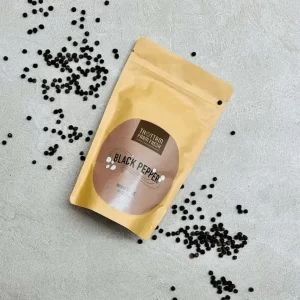
Not all black pepper is created equal. If you’re shopping online, look for Tellicherry Black Pepper. This isn’t just a fancy name; it refers to the size of the peppercorn. Tellicherry peppercorns are left on the vine longer to grow larger and develop a deeper, more complex heat and citrusy aroma.
Known as the "King of Spices," authentic Tellicherry pepper is a world apart from the small, shriveled "light berries" often sold in bulk. You can learn more about why this specific variety is so prized in our guide to Tellicherry Black Pepper.
4. Beware of "Too Much" Green
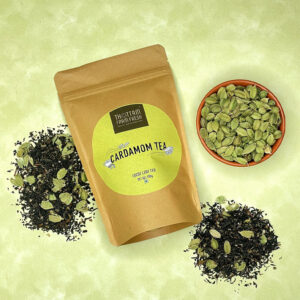
We all want our cardamom to look pretty, but be wary of pods that look unnaturally neon green. Some unscrupulous sellers use artificial dyes to make old, faded cardamom look fresh.
Authentic Kerala cardamom should have a natural, slightly muted forest-green hue. When you squeeze a pod, it should feel plump and oily, not bone-dry. The aroma should be immediate and cooling. If the color looks like a highlighter pen, stay away!
5. The Turmeric "Curcumin" Trap
Most people buy turmeric for its anti-inflammatory properties. However, most commercial turmeric has had its curcumin extracted (to be sold separately as supplements), leaving you with nothing but yellow dye.
When buying online, look for "High Curcumin" turmeric. Authentic Kerala turmeric, especially when grown and processed correctly, retains its natural oils and potent health benefits. Check out how quality turmeric is grown and processed to understand the difference between a culinary spice and a medicinal powerhouse.

6. Processing Methods: Sun-Dried vs. Machine-Dried
How a spice is dried determines its soul. Traditional Kerala spices are often sun-dried or smoke-dried using age-old techniques. Machine-drying at high temperatures is faster, but it "burns off" the delicate essential oils.
For example, dried ginger needs a specific drying process to maintain its sharp, warming pungency. Always check if the seller mentions their processing methods. Transparent brands love to brag about their traditional, slow-processing techniques because it’s a sign of quality.
7. The Price Reality Check
We all love a bargain, but with spices, you get what you pay for. If someone is selling "A-Grade" Saffron or Cardamom at half the market price, it’s likely adulterated or several years old.
Authentic, farm-fresh spices involve labor-intensive harvesting (cardamom, for instance, is picked by hand). Look for transparent pricing. A reliable seller offers fair prices that reflect the quality of the harvest and provide a living wage to the farmers, without the massive markups of luxury "boutique" brands.
8. Check for "Pesticide-Free" or Organic Practices
Kerala’s spice gardens are some of the most biodiverse places on earth. Authentic sellers prioritize natural farming. You don’t want your "healthy" masala tea to come with a side of chemicals.
Always look for brands that emphasize natural farming and chemical-free processing. This isn't just about health; it's about flavor. A plant that has to fight a little bit in a natural environment produces more "defensive" compounds: which are exactly the oils and resins that make spices taste so robust.
9. Packaging Matters More Than You Think
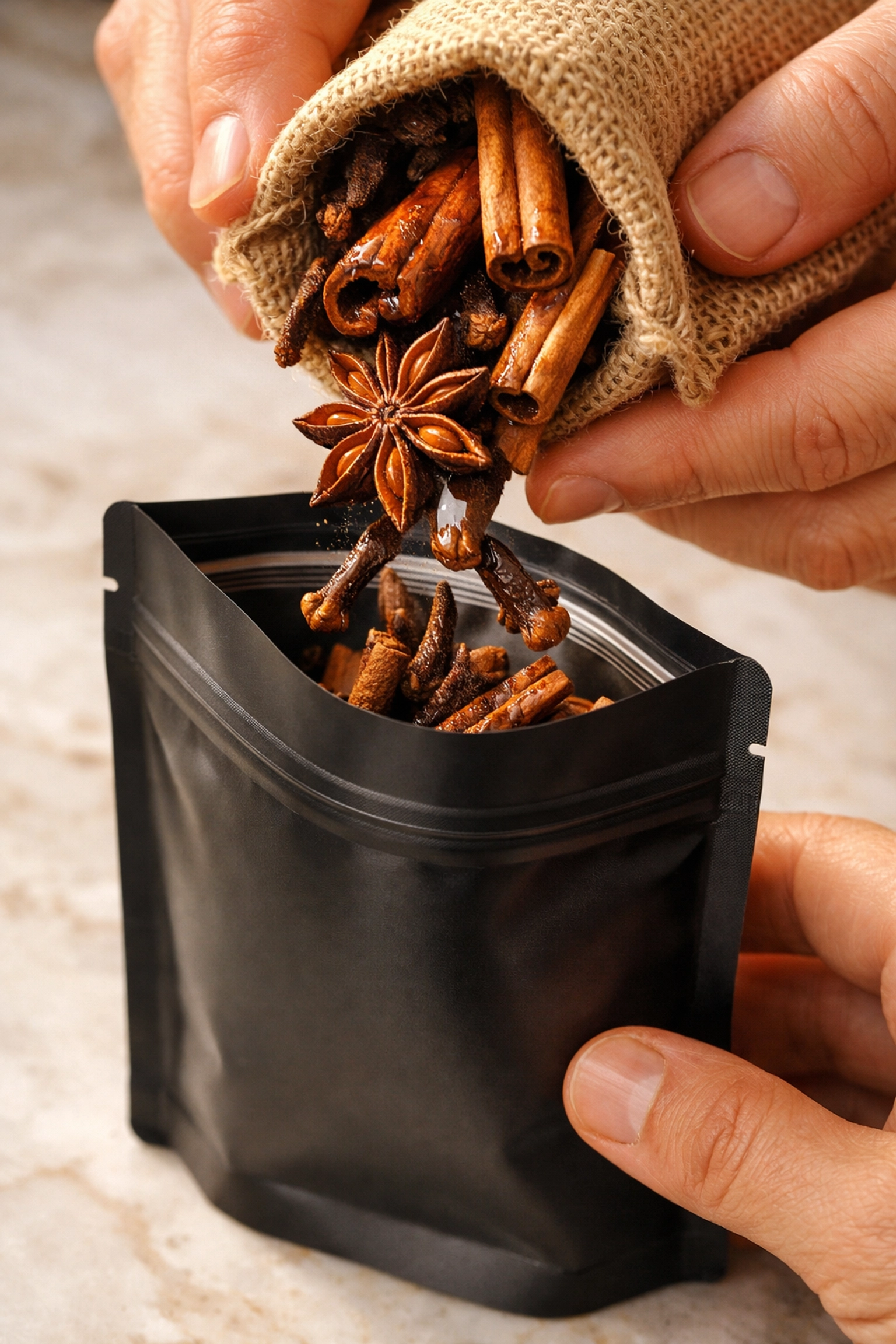
Oxygen and light are the enemies of spice. If an online store ships spices in thin, clear plastic bags that aren't resealable, your spices will be stale by the time they reach your doorstep.
Look for vacuum-sealed packaging or multi-layered, light-blocking pouches. This ensures that the "Magic of Malabar" stays trapped inside until you're ready to release it in your cooking.
10. The Power of Community and Stories
Finally, look at the "About Us" page. Is it a faceless corporation or a company with deep roots in the community? Authentic Kerala spice trading is built on relationships.
Brands that share stories about their farmers, their heritage, and the specific harvests are more likely to be invested in the quality of the product. When you buy from a source that cares about the land, you aren't just buying an ingredient; you're supporting a sustainable ecosystem.
Why Does This Matter?
Using authentic spices isn't just about making your curry taste better (though it definitely does that). It’s about the ritual of cooking. It’s about the health benefits of wild honey drizzled over breakfast or the comfort of a perfectly brewed masala tea on a rainy afternoon.
When you choose quality, you’re choosing to nourish your body with the best that nature has to offer. Whether you're looking for cashew nuts for heart health or the rarest spices for a Sunday biryani, knowing these 10 tips will ensure you never get scammed by "dust" again.
Ready to spice up your kitchen?
Explore our product sitemap to see our full range of farm-direct Kerala treasures, or dive into our blog to learn more about how to live a healthier, more flavorful life.
Authenticity is just a click away( as long as you know what to look for!)