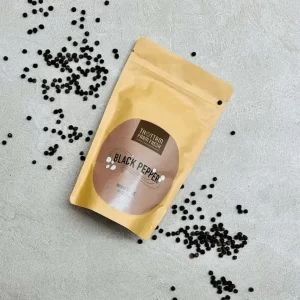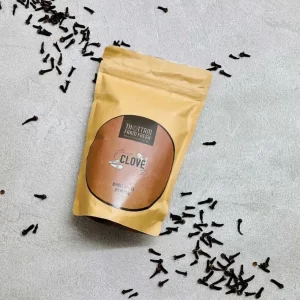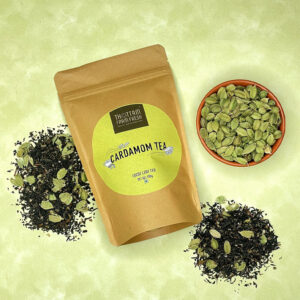
There’s something undeniably exciting about the prospect to buy spices online. With just a few clicks, you can have the aromatic treasures of the Malabar Coast or the delicate scrolls of Sri Lankan cinnamon delivered straight to your doorstep. It’s a convenience that our ancestors, who traversed oceans for these "black gold" treasures, could never have imagined.
However, the digital marketplace is a double-edged sword. While it offers variety, it also hides a multitude of sins: from adulterated powders to stale, commodity-grade stocks that have been sitting in warehouses for years. If your curries are tasting flat or your morning masala chai lacks that punchy warmth, you might be falling into common traps.
At Thottam Farm Fresh, we believe that every home cook deserves the same potency and purity that we find on our own farms in Kerala. To help you navigate the world of digital spice shopping, we’ve identified the seven most common mistakes you’re likely making when you buy spices online: and how you can fix them to elevate your culinary game.
1. Falling into the "Cheap Trap"
We all love a bargain, but in the spice trade, an unusually low price is almost always a red flag. Spices are among the most frequently adulterated food items in the world. When a seller offers a price that seems too good to be true, it often means the product has been "bulked up."
Common fillers include rice flour, starch, spent spice dust, or even synthetic dyes to make low-quality turmeric look vibrant. When you prioritize price over purity, you aren’t just losing flavor; you’re often inviting chemicals and unlisted additives into your kitchen.
The Fix: Look for transparency. Pure, farm-sourced spices have a cost associated with ethical harvesting and careful processing. If the price is significantly lower than reputable farm-to-table brands, walk away. Quality is an investment in your health and your palate.
2. Ignoring the Origin Story
Does your spice pack simply say "Product of India"? That’s a bit like a wine label saying "Product of Earth." India is a vast subcontinent with wildly different microclimates. The authentic Kerala spices grown in the high-altitude, monsoon-fed hills of Idukki have a completely different oil content and flavor profile than those grown in flatter, arid regions.
When you don’t know exactly where your spices come from, you’re likely buying a "commodity blend": a mix of various grades from multiple regions, processed for volume rather than flavor.

The Fix: Seek out brands that specify the region or even the specific farm. At Thottam Farm Fresh, we pride ourselves on direct-from-farm sourcing, bringing you closer to the soil of the Malabar Coast. Knowing the origin ensures you’re getting the terroir-specific oils that give spices their medicinal and culinary power.
3. Buying Ground Instead of Whole
It’s tempting to buy pre-ground powders for the sake of time. However, the moment a spice is ground, its surface area increases exponentially, exposing its delicate volatile oils to oxygen. These oils are where the flavor, aroma, and health benefits live.
Most pre-ground spices sold online have been sitting in plastic packaging for months, losing their "soul" long before they reach your pantry. Furthermore, it’s much easier to hide adulterants in powder than in whole peppercorns or cardamom pods.
The Fix: Whenever possible, buy whole spices online. Invest in a small stone mortar and pestle or a dedicated spice grinder. Grinding your Tellicherry black pepper just seconds before it hits the pan will transform your cooking from mediocre to professional.

4. Not Knowing Your Cinnamon (The Cassia Confusion)
This is perhaps the most common mistake made when people buy spices online in India. Most of what is sold as "Cinnamon" is actually Cassia. While Cassia has a punchy, spicy flavor, it contains high levels of coumarin, which can be harmful in large doses.
True Ceylon Cinnamon, often called "Sweet Cinnamon," is delicate, citrusy, and contains negligible coumarin. If your cinnamon sticks are hard, dark, and consist of a single thick layer of bark, you’re using Cassia.
The Fix: Specifically look for H1 Grade Ceylon Cinnamon. It should be comprised of many thin, paper-like layers rolled together. At Thottam, we provide a Certificate of Origin from Sri Lanka to guarantee you’re getting the real deal: pure, safe, and exquisitely flavorful.

5. Overlooking the "Grade" and "Boldness"
Not all peppercorns are created equal. In the spice world, size often correlates with flavor concentration. For instance, "Alleppey Bold" cardamom or "Tellicherry Extra Bold" black pepper refers to the size of the spice. Larger berries and pods generally stay on the vine longer, allowing them to develop a more complex profile of essential oils.
Many online vendors sell "field run" spices: a mix of all sizes, including immature, flavorless berries: at premium prices.
The Fix: Check the product description for grading terms. If a seller doesn’t specify the grade (like H1 for cinnamon or 8mm for cardamom), they are likely selling a lower-grade commodity product. Always opt for "Bold" varieties when you want the highest essential oil content.
6. Buying in Massive Bulk
It’s a common scenario: you see a 1kg bag of turmeric or cloves at a "wholesale" price and think you’re being savvy. Unless you are running a busy restaurant, this is a mistake. Spices are a fresh agricultural product. Even when stored in airtight containers, their potency diminishes over time.
By the time you get to the bottom of that 1kg bag, the spice will likely be a flavorless ghost of its former self.
The Fix: Buy in small-batch quantities that you can consume within 6 to 12 months. Our curation at Thottam Farm Fresh focuses on small batches precisely because we want you to use the spices while they are still "alive" with aroma.
7. Trusting "Gourmet" Labels Over Transparency
Marketing can be deceptive. A beautiful glass jar with a minimalist label and the word "Gourmet" or "Artisanal" doesn't necessarily mean the spice inside is high quality. Often, you are paying a 300% markup for the packaging, while the spice inside is the same stale stock found in any supermarket.
True quality isn't about the jar; it's about the harvest date, the drying process, and the lack of pesticides.
The Fix: Look past the aesthetics. Does the brand mention pesticide-free farming? Do they talk about how they dry their spices (e.g., sun-drying vs. industrial heat)? Are they transparent about their relationship with farmers? A brand that cares about the soil will always have more to say about the product than the packaging.
The Thottam Farm Fresh Solution
When you choose to buy spices online from Thottam Farm Fresh, you aren't just clicking a button; you're supporting a system that values purity, tradition, and the hard work of Kerala’s farmers.
We cut out the middleman to ensure that the Black Pepper or Wild Honey you receive hasn't spent months in a dusty supply chain. Our commitment is simple: 100% natural, unadulterated, and sourced with integrity.
Ready to taste the difference that farm-fresh quality makes? Stop settling for "supermarket grade" and start your journey with spices that actually have a story to tell.