
Have you ever opened a jar of store-bought turmeric only to find it smelling like… well, nothing? Or maybe your "black pepper" lacks that signature bite that makes a Malabar curry sing?
We’ve all been there. For years, the spice trade has been a long, winding road of middlemen, warehouses, and dusty shelves. By the time those peppercorns reach your kitchen, they’ve often lost their soul: the essential oils that carry the flavor and health benefits we crave.
Welcome to day one of our 31-day journey into the heart of flavor. Today, we’re diving into the "why" behind the movement: Why you should buy spices online directly from Kerala farms.
The Freshness Gap: Why Your Supermarket Spices are "Sleeping"
Think of a spice like a coffee bean. Once it's harvested, the clock starts ticking. In a typical supermarket supply chain, spices travel from a farm to a local collector, then to a regional distributor, an international exporter, a national wholesaler, and finally to a retail shelf. This process can take years.
When you choose to buy spices online directly from the source, you’re essentially hitting the "fast-forward" button. At Thottam Farm Fresh, we skip the five intermediate hands. Our spices go from the soil of Kerala’s Malabar Coast directly to our curation center and then to your doorstep.
The result? A "punch-in-the-face" aroma that you just won't find in a plastic shaker at the grocery store.
Why Kerala? The Terroir of the Malabar Coast
Kerala isn't called the "Land of Spices" just for marketing. It’s about the terroir: the unique combination of red loamy soil, heavy monsoon rains, and the humid tropical climate of the Western Ghats. This specific environment produces spices with higher concentrations of essential oils.
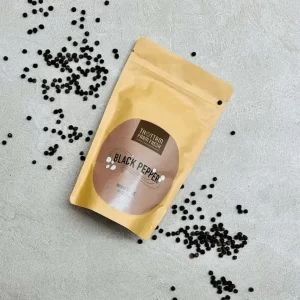
- Tellicherry Black Pepper: Known as the "King of Spices," our Tellicherry black pepper is left on the vine longer to grow larger and develop a complex, citrusy heat.
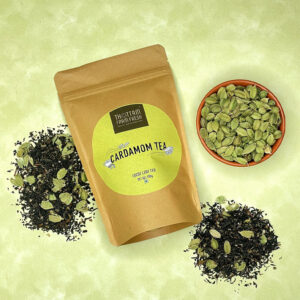
- Alleppey Cardamom: These pods are world-renowned for their deep green color and intense camphoraceous notes.
- The Purity Promise: When you buy directly, you aren't just getting flavor; you're getting peace of mind. Supermarket powders are often "bulked up" with starch or dyed with artificial colors. Our mission is 100% natural, pesticide-free purity.
The Secret of the H1 Grade: Not All Cinnamon is Equal
One of the biggest pitfalls when you buy spices online is the confusion between Cassia and Ceylon cinnamon. Most people are used to Cassia: the thick, hard bark that can be toxic in high doses due to coumarin.
We take pride in our Ceylon Cinnamon (H1 Grade). Sourced directly from Sri Lanka with a verified Certificate of Origin, our H1 grade quills are delicate, sweet, and safe for daily use. This isn't just a spice; it’s a wellness tool.

Supporting the Hands that Feed Us
Beyond the flavor, there’s a human story. Every time you skip the supermarket and buy spices online from a farm-direct brand, more of your money goes back to the farmer. At Thottam Farm Fresh, we believe in bridging the gap. By shortening the supply chain, we ensure that the people who tend to the pepper vines and cardamom bushes get a fair share, encouraging sustainable and organic farming practices in the region.
Your Farm-to-Table Checklist
If you’re ready to upgrade your kitchen, here’s what to look for when you decide to buy spices online:
- Origin Stories: Does the seller tell you where the spice came from? (e.g., Idukki, Wayanad, or Sri Lanka).
- Whole vs. Powder: Always try to buy whole spices and grind them at home. It’s the easiest way to lock in those volatile oils.
- Transparency: Look for certifications. Our Ceylon cinnamon, for example, comes with a Certificate of Origin.
- Small Batches: Avoid the "mega-marts." Smaller batches mean the product hasn't been sitting in a humid warehouse for a year.
What's Coming Next?
This is just the beginning of our 31-day journey. Over the next month, we’ll explore everything from the "Purity Test" for organic honey (hint: most supermarket honey isn't what it seems) to the secret of the perfect Masala Tea.
Are you ready to taste the difference that "farm-fresh" really makes? Your pantry: and your palate: will thank you.
Explore the collection: Thottam Farm Fresh Shop