If you’ve ever walked through a spice plantation in Idukki or breathed in the heavy, fragrant air of a spice market in Mattancherry, you know that Kerala spices are in a league of their own. There’s a reason traders have been crossing oceans for centuries to get their hands on our "Black Gold" and "Green Gold."
But let’s be real: trying to find that same level of quality when you’re looking for Kerala spices online can feel like a bit of a gamble. You see glossy photos and "premium" labels everywhere, but how do you know if what arrives in your kitchen will actually have that punchy aroma and deep flavor?
At Thottam Farm Fresh, we live and breathe these spices every day. We want you to have the best experience possible, whether you’re making a traditional Malabar curry or just looking to upgrade your morning tea. Here are 10 things you absolutely need to know before you hit that "Add to Cart" button.
1. Know Your Grades: Not All Pepper is Created Equal
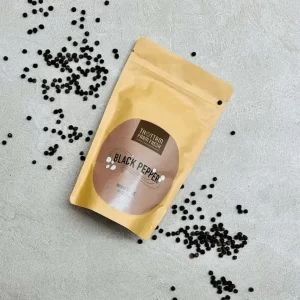
When you’re browsing for spices, "Black Pepper" is a broad term. In Kerala, we categorize pepper by size and weight. You’ve likely heard of Tellicherry Bold peppercorns. These are larger berries that have been left on the vine longer to ripen. They possess a complex, citrusy heat that regular table pepper just can't match.
Lower-grade pepper often consists of smaller, shriveled berries that lack the essential oil content (piperine) that gives pepper its bite. Before you buy, check if the seller specifies the grade or region. Authentic Kerala pepper should look dark, uniform, and heavy for its size. If you want to dive deeper into how these are made, check out our guide on how black peppercorns are harvested and processed.
2. The "Whole" Truth: Why Whole Spices Win
If you want the true flavor of the Malabar coast, always buy whole spices whenever possible. Why? Because the moment a spice is ground into a powder, it starts losing its volatile oils. Those oils are where the flavor, aroma, and health benefits live.
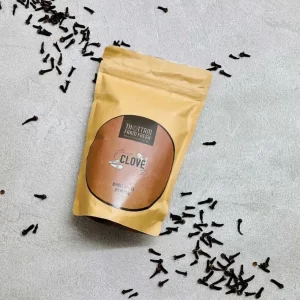
Whole cardamom pods, cinnamon sticks, and cloves can stay fresh for over a year if stored correctly. Ground spices? They start to fade in a few months. When you buy whole spices and grind them at home, you’re getting the most "bang for your buck" and a much more vibrant culinary experience.

3. Direct-from-Farm vs. Mass-Market Middlemen
This is probably the most important thing to look for. Most spices sold in big-box supermarkets have gone through a dozen hands: from the farmer to the local collector, to the auction house, to the wholesaler, to the exporter, and finally to the retailer. By the time it reaches you, that spice might be two years old.
When you buy from a source that offers direct-from-farm sourcing, you’re cutting out those middle steps. This doesn't just mean the spices are fresher; it means the farmer gets a better price, and you get a product that hasn't been sitting in a dusty warehouse for months. At Thottam Farm Fresh, our goal is to bring the farm directly to your table, ensuring the purity remains intact.
4. The Cinnamon vs. Cassia Distinction
This is a common pitfall when shopping for Kerala spices online. Most of what is sold as "Cinnamon" in general stores is actually Cassia. Cassia is thick, hard, and has a very strong, almost spicy flavor. It also contains high levels of coumarin, which isn't great for your liver in large amounts.
True Cinnamon (Ceylon Cinnamon), which is also grown in parts of Kerala, is made of thin, delicate layers rolled together. It has a sweet, subtle aroma and is much healthier. If the "cinnamon" you're looking at looks like a single thick piece of bark, it’s Cassia. Look for the "True Cinnamon" label for the authentic experience. You can find high-quality Indian spices that clearly state their variety so you aren't left guessing.
5. Cardamom: Size and Color Matter
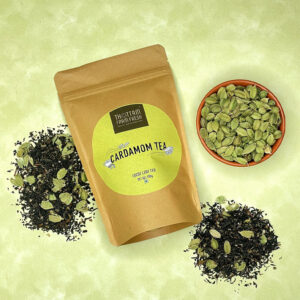
Kerala is world-famous for its Alleppey Green Cardamom. When shopping online, look at the millimeter size. Typically, 7mm to 8mm pods are considered "Bold" and are the highest quality.
The color should be a vibrant, natural green: not an artificial, neon green (which could indicate dyes) and not a dull, brownish-yellow (which indicates old age). The pods should be plump and full of dark, oily seeds. If the pods are empty or shriveled, you’re losing out on that signature floral sweetness.

6. Packaging is a Dealbreaker
Spices have three main enemies: light, air, and moisture. If a seller is shipping spices in thin, clear plastic bags, stay away. To maintain the purity and potency of Kerala spices, they should be packed in airtight, food-grade packaging: ideally in opaque pouches or glass jars that protect them from light.
When your order arrives, smell it before you even open the bag. If you can smell the spice strongly through the sealed packaging, it means the oils are escaping, and the seal isn't truly airtight. High-quality packaging is a sign that the brand cares about the product's longevity.
7. Transparency in Processing: Look for "Pesticide-Free"
Kerala’s soil is incredibly rich, but modern farming often relies on chemicals to boost yield. When shopping for spices, look for brands that prioritize natural or pesticide-free cultivation.
Authentic spices don't need "flavor enhancers" or artificial colors. For example, when you buy organic powdered spices online, you should be looking for a vibrant, natural hue: like the deep earthy orange of high-curcumin turmeric: rather than something that looks artificially bright.

8. Don't Chase the Lowest Price
We all love a good deal, but with spices, you truly get what you pay for. Authentic, high-grade Kerala spices require labor-intensive harvesting and careful processing. If you find "Premium Tellicherry Pepper" or "Alleppey Cardamom" at a price that seems too good to be true, it probably is.
Cheap spices are often "spent" (meaning the oils have been extracted for other uses) or mixed with lower-grade fillers. Investing a few extra rupees in quality means you can use less spice in your cooking because the flavor is so much more concentrated. It's better for your health and your palate in the long run.
9. Check the Harvest and Packing Dates
Spices aren't like fine wine; they don't get better with age. When browsing a website, check if they mention the harvest season. A reputable seller like Thottam Farm Fresh will be transparent about when the products were packed.
Ideally, you want spices that were packed within the last few months. If a website doesn't list a packing date or an expiry date, it’s a red flag. Freshness is the difference between a dish that tastes "okay" and a dish that tastes "extraordinary."
10. Visual Proof and Reviews
Since you can't smell the spices through your screen (wouldn't that be great?), you have to rely on visual cues and the community. Look for real photos of the products: not just stock images. Authentic sellers will often show the actual texture of their spice powders or the specific look of their whole spices.
Read the reviews, but look for specifics. Instead of just "good product," look for reviews that mention the "strong aroma," "clean seeds," or "vibrant color." This gives you a much better idea of what to expect when the package arrives at your door.

Bringing the Spirit of Kerala to Your Kitchen
Shopping for Kerala spices online shouldn't be a stressful experience. It should be the beginning of a culinary adventure. By keeping these 10 tips in mind, you’re not just buying ingredients; you’re honoring a tradition of flavor that has put Kerala on the map for millennia.
At Thottam Farm Fresh, we take pride in our roots. Whether you're looking for the sharp heat of our black pepper, the cooling sweetness of our cardamom, or the earthy warmth of our turmeric, we ensure that every gram is 100% natural and sourced with care. We believe that everyone deserves access to the purest spices, straight from the heart of God’s Own Country.
Ready to transform your cooking? Head over to our shop and discover the difference that truly authentic Kerala spices can make. Your taste buds will thank you!