You walk into your kitchen, ready to recreate that aromatic Kerala curry or a spiced golden latte. You reach for the turmeric, but it looks a bit… pale. You crack open the black pepper, and instead of a sharp, pungent kick, you get a faint, dusty whisper. If this sounds familiar, you’ve likely fallen victim to the "grocery store cycle", spices that have sat in warehouses and on shelves for months, losing their soul long before they reached your pot.
In today’s digital age, the solution seems simple: buy spices online. But with convenience comes a new set of risks. How do you know if that "premium" saffron is actually dyed corn silk? How can you tell if your cardamom was harvested at its peak or swept off a floor?
At Thottam Farm Fresh, we believe that spices are the heartbeat of a meal. They aren't just ingredients; they are concentrated bits of sunshine, soil, and heritage. To help you navigate the world of specialty food e-commerce, we’ve put together this definitive guide on how to buy spices online and, more importantly, how to spot the fakes once they arrive.
Step 1: Seek Out Source Transparency (The Farm-to-Fork Connection)
The biggest mistake most home cooks make is buying from "aggregator" brands that source from massive auctions. When spices are pooled together from hundreds of different farms, quality becomes an average of the mediocre.
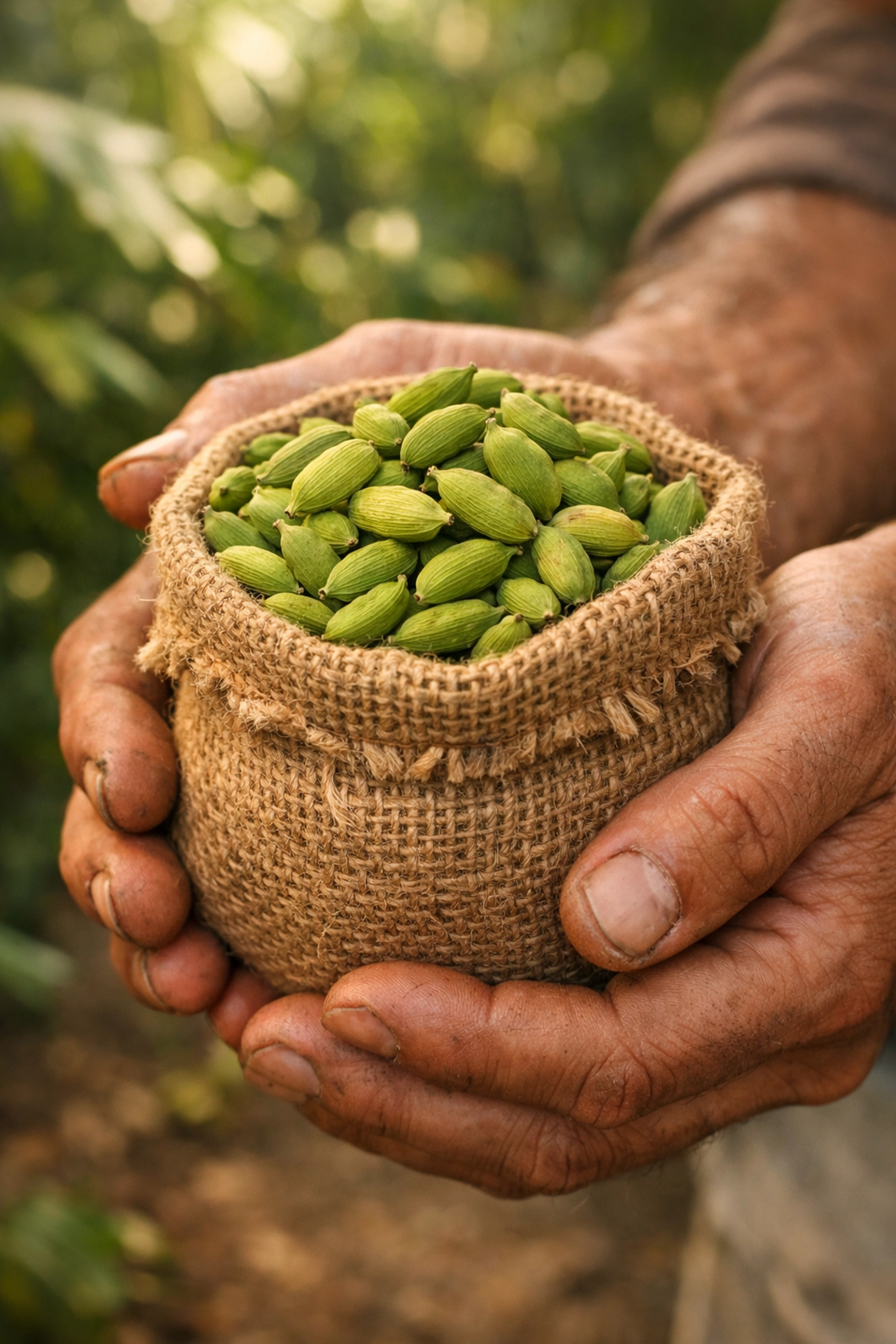
When you buy spices online, look for brands that talk about where the spice came from. Does the seller mention the specific region? Do they have a relationship with the farmers? At Thottam Farm Fresh, we pride ourselves on our stories, which detail our journey from the lush hills of Kerala to your doorstep.
What to look for:
- Direct Sourcing: Look for "Farm-Direct" or "Single Origin" labels. This ensures the spice hasn't passed through ten different middlemen, each taking a cut and potentially adding fillers.
- Certifications: While not every small farmer can afford international labels, reputable sellers will often hold certifications like FSSC 22000 or GMP. These aren't just fancy acronyms; they are your guarantee that the facility follows strict hygiene and quality protocols.
- Small Batch Processing: Large commercial brands grind spices in massive quantities, generating heat that kills the essential oils. Look for suppliers who roast and pack in small batches to preserve that volatile, aromatic magic.
Step 2: Master the Art of Label Reading (Beyond the "Organic" Tag)
The label on your spice jar is a legal document, but it’s one that many companies know how to manipulate. Did you know that in many regions, ground spices can contain a certain percentage of "allowable" foreign matter? Or that salt and flour are often used as anti-caking agents without being prominently listed?
When browsing a product page, don't just look at the pretty pictures. Dig into the ingredient list.
- The One-Ingredient Rule: Your turmeric jar should say "Turmeric." Your Tellicherry Black Pepper should say "Black Pepper." If you see silicon dioxide, rice flour, or excessive salt in a "pure" spice, walk away.
- Non-Irradiated Spices: Many mass-market spices are "cleaned" using irradiation (gamma rays) to kill bacteria. While "safe," this process can degrade the nutritional profile and flavor of the spice. Look for brands that use steam sterilization or other natural methods.
- Harvest Dates: Just like coffee, spices have a shelf life. A reputable online seller will often be transparent about the harvest year. If you're buying Kashmiri Saffron, the harvest date is the difference between a potent antioxidant powerhouse and a jar of expensive red threads.
Step 3: Use Your Senses (Even Before the First Bite)
The beauty of spices lies in their sensory profile, the glossy sheen of a high-quality peppercorn, the delicate warmth of cardamom, and the robust aroma of freshly dried ginger.
Since you can't smell a screen, how do you judge quality online?
- Request Samples: If you are making a significant purchase, ask the supplier if they offer smaller trial packs.
- Visual Cues: High-quality spices have vibrant, natural colors. If the turmeric is neon yellow, it might be dyed. If the Mabroom Dates look overly shiny, they might be coated in glucose syrup.
- The "Pungency" Description: Look for sensory-rich language. A seller who describes their pepper as having "citrus notes and a slow-building heat" likely knows their product better than one who just lists it as "Black Pepper Powder."

Step 4: The DIY Lab (Spotting Adulteration at Home)
Once your package arrives, the real test begins. Adulteration is a silent thief in the spice industry. It robs you of flavor and, more dangerously, can introduce harmful chemicals into your family's food. Here is how you can spot the most common culprits:
The Turmeric Water Test
Turmeric is often adulterated with Metanil Yellow (a prohibited dye) or lead chromate.
- The Test: Add a teaspoon of turmeric powder to a glass of lukewarm water. Do not stir. Let it sit for 20 minutes.
- The Result: Pure turmeric will settle at the bottom, leaving the water clear or very lightly tinted. If the water becomes cloudy or remains dark yellow/orange, it’s likely dyed or mixed with chalk powder. Read more about health benefits of turmeric to understand why purity matters.
The Pepper "Floaters" Test
Black pepper is often bulked up with dried papaya seeds, which look nearly identical but have zero flavor.
- The Test: Drop a handful of peppercorns into a bowl of water.
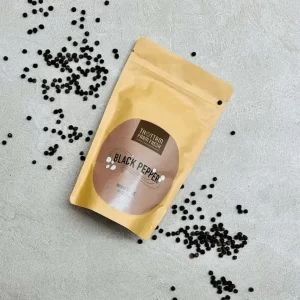
- The Result: High-quality, oil-rich peppercorns like our Tellicherry Pepper will sink. Papaya seeds and hollow "light" berries will float to the top.
The Saffron Cold Water Test
Saffron is the most expensive spice in the world, making it a prime target for fraud.
- The Test: Place a couple of strands in cold water.
- The Result: Pure saffron will slowly release a golden-yellow hue, but the strand itself will remain red. If the water turns deep red immediately, or if the thread loses its color and turns white/yellow, you’ve bought dyed corn silk or low-grade safflower.
The Cinnamon vs. Cassia Debate
While not technically "adulteration," many people buy Cassia thinking it's True Cinnamon. Cassia contains high levels of coumarin, which can be hard on the liver.
- The Test: Look at the quills.
- The Result: True Ceylon Cinnamon has thin, paper-like layers rolled into a cigar shape. Cassia is a thick, hard bark that forms a single scroll.

Step 5: Buy Whole and Grind as You Go
If there is one "secret" to elite home cooking, it’s this: Stop buying pre-ground spices.
When a spice is ground, its surface area increases exponentially, allowing the essential oils (where all the flavor and health benefits live) to evaporate. Furthermore, it is incredibly easy to hide fillers like sawdust, starch, or colored flour in a fine powder.
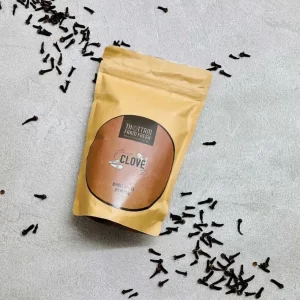
- Control: When you buy whole dried ginger or whole cloves, you can see exactly what you are getting. There’s no hiding a shriveled, moldy spice when it’s in its whole form.
- Potency: Whole spices stay fresh for up to a year. Ground spices start losing their punch within weeks.
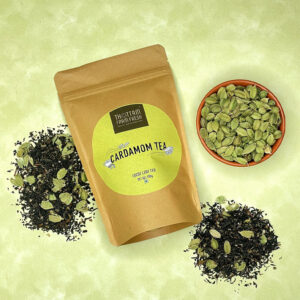
- The Ritual: There is a deep, meditative joy in grinding your own spices. The sudden release of aroma as you crush a cardamom pod or toast a cumin seed is a culinary experience in itself.
Why Quality Spices Are a Wellness Investment
At Thottam Farm Fresh, we don't just see ourselves as a spice shop; we see ourselves as a bridge to a healthier lifestyle. Whether you are looking to buy dry fruits online for summer or looking for the magic of wild honey, the principle remains the same: Purity is non-negotiable.
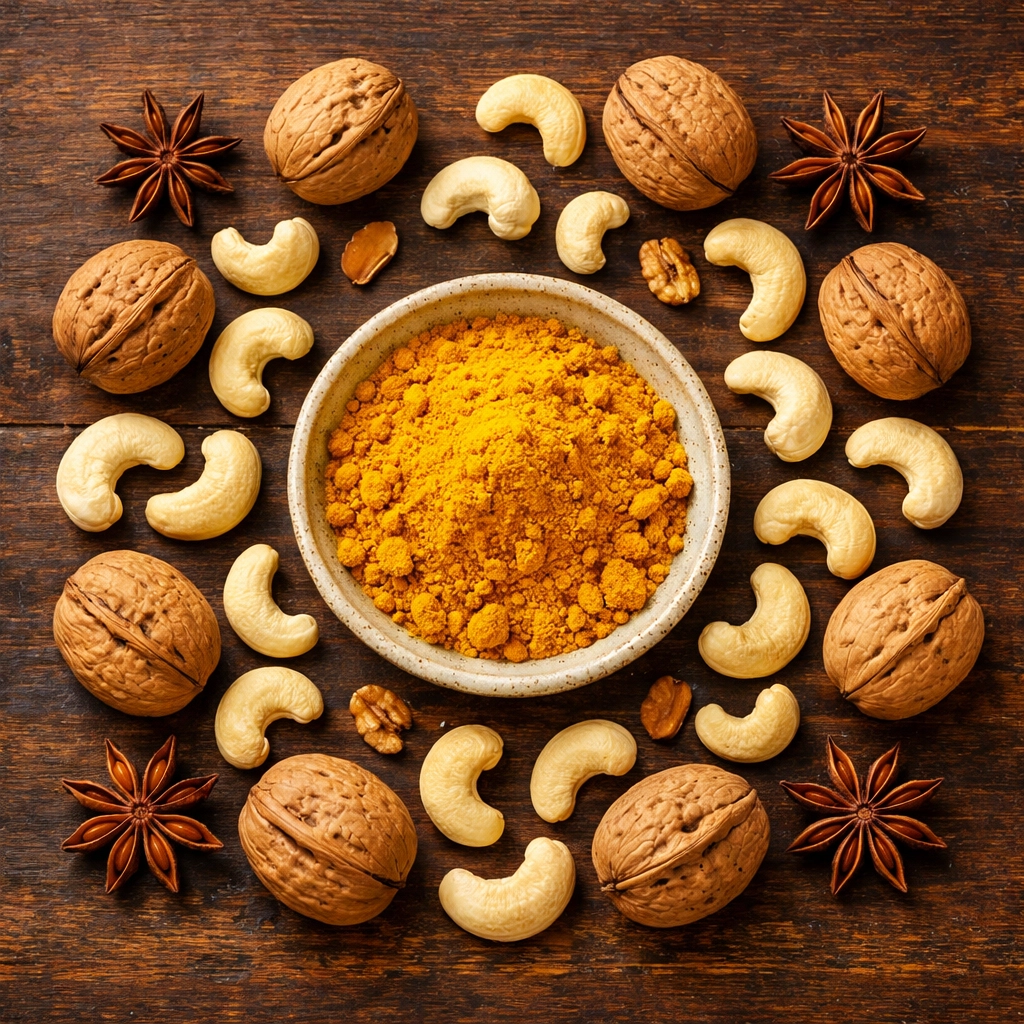
Spices like turmeric and ginger are packed with anti-inflammatory compounds. Walnuts and cashews provide essential fatty acids. But these benefits are only present if the product is handled with care, kept away from moisture, and delivered to you fresh. When you buy cheap, adulterated spices, you aren't just losing flavor; you’re losing the medicinal properties that have made these ingredients staples of Ayurveda and traditional medicine for millennia.
Conclusion: Your Kitchen Deserves the Best
Buying spices online shouldn't be a gamble. By choosing reputable suppliers who prioritize transparency, reading your labels with a critical eye, and performing simple purity tests at home, you can transform your pantry into a treasure trove of authentic flavors.
Next time you’re about to click "Add to Cart," ask yourself: Do I know where this was grown? Do I know who processed it? If the answer is no, it might be time to explore the farm-direct difference. Your taste buds: and your health: will thank you.
Ready to spice up your life? Explore our full range of farm-fresh products and taste the purity of Kerala in every bite.